+256 392 911 059 / +1 818 290 6623 info@cycadssafaris.com

The World Athletic Championships in 2029

The World Athletic Championships in 2029. Kenya is no stranger to big sporting moments—but its latest ambition could turn the country into a global hub for something even more exciting: sports tourism. As preparations begin for the possibility of hosting the World Athletic Championships in 2029, Kenya has an opportunity not only to showcase elite track and field talent, but also to offer visitors a complete travel experience that blends competition with unforgettable landscapes. From iconic cities to vast wilderness, Kenya could become the ultimate destination where athletic excellence and nature meet.

Why Kenya is a perfect fit for 2029

Kenya’s strength in athletics is well known. For decades, Kenyan runners have dominated international middle- and long-distance events, building a reputation for discipline, endurance, and world-class performance. But hosting an event like the World Athletic Championships is not just about the athletes—it’s about infrastructure, experience, and the ability to welcome visitors from every corner of the world.

Kenya brings that welcome through its growing tourism sector and its strong global appeal. Visitors already associate the country with extraordinary natural beauty, unique cultures, and once-in-a-lifetime safari experiences. In 2029, those impressions could expand further as spectators, journalists, teams, and fans travel not only to watch races, but also to explore the nation behind the headlines.

Sports tourism meets the heart of Africa

A World Athletic Championships is an international spotlight. That spotlight can be powerful when paired with an authentic travel program—exactly where Kenya can lead. The idea of sports tourism is simple: transform a sports event into a broader journey that connects fans to local experiences before, during, and after the competition.

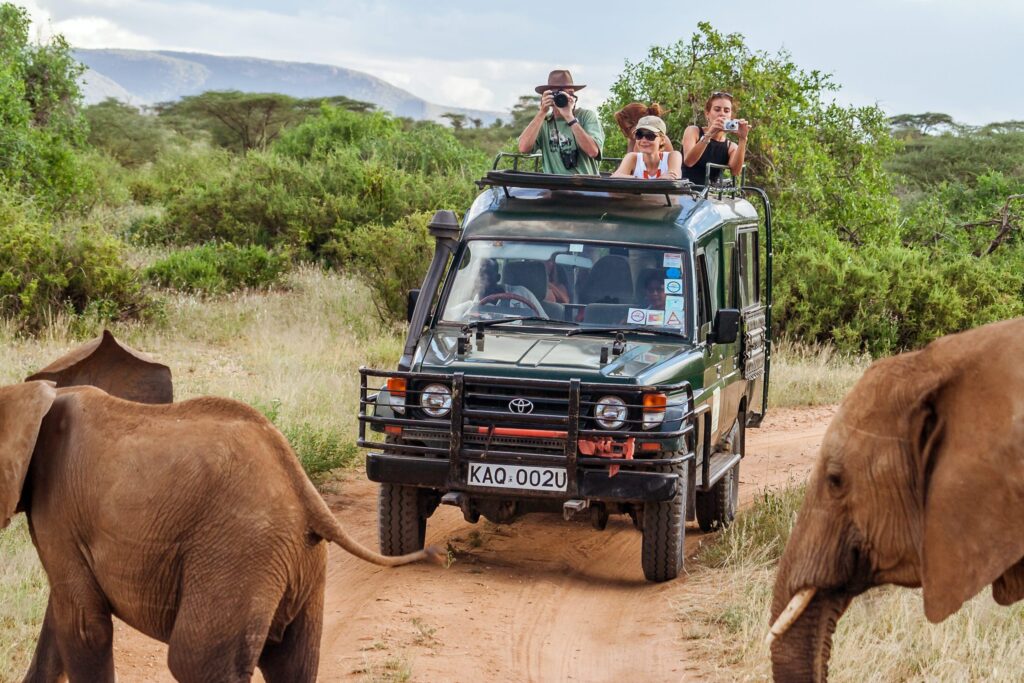
Kenya is positioned to do this exceptionally well because its travel offerings are diverse. After major track events, visitors could enjoy guided city tours, cultural evenings, and day trips—while many would also want to venture into the wild. Kenya’s safari industry is mature, service-focused, and built around memorable encounters with wildlife. For international visitors, being able to combine world-class athletics with real African wilderness makes the trip feel personal and meaningful rather than purely transactional.

If well coordinated, event organizers could even promote “race-to-safari” travel packages. Picture this: a fan spends the morning cheering athletes at a stadium, then ends the day on a scenic drive into a national park, hearing the sounds of dawn wildlife and watching the sunset glow over the Savannah. That kind of experience is exactly what makes sports tourism successful.

Kenya safaris: the experience visitors will talk about

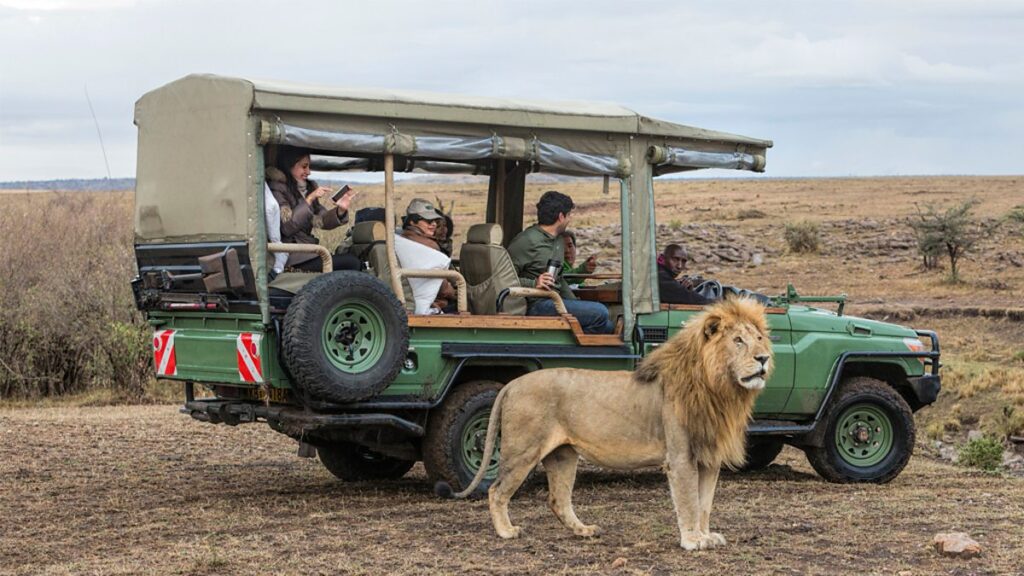
At the center of Kenya’s global appeal is the safari experience—often described by travelers using the phrase Kenya safaris. Whether visitors are new to Africa or lifelong wildlife enthusiasts, the promise is consistent: breathtaking scenery, knowledgeable guides, and the thrill of seeing wild animals in their natural habitats.

In the context of 2029, safari experiences could become part of the championship narrative. Kenyan wildlife is not just background scenery—it’s a living attraction. Visitors may come for the sport, but they stay for the wilderness.

Kenya’s parks and reserves are also ideal for international travelers because safari trips can be structured in different ways: short excursions from major hubs, multi-day adventures for deeper exploration, and tailored journeys designed around wildlife photography, birdwatching, or family-friendly experiences. This flexibility supports the different needs of fans, athletes, and media teams.

Wildlife as an unofficial ambassador

A major part of Kenya’s storytelling is wildlife—the incredible variety of animals that draw visitors year after year. From big cats to plains grazers, from elephants to rare bird species, Kenya’s ecosystems offer encounters that are both dramatic and educational.

For a global event like the World Athletic Championships, wildlife becomes more than entertainment. It can serve as a symbol of Kenya’s identity. Kenya is often associated with speed, stamina, and legendary runners—but it can also be associated with a living natural world worth protecting. By aligning the championships with wildlife experiences, Kenya can communicate a deeper message: excellence and conservation can go hand in hand.

This is where responsible tourism strategies matter. If Kenya plans the 2029 event carefully, it can ensure that visitor growth benefits local communities, supports wildlife conservation, and maintains the integrity of natural habitats. When handled well, the championships can leave a positive legacy rather than simply increasing foot traffic.

The role of sustainability and community

Kenya’s tourism sector has the chance to grow while still respecting the land. For 2029, the country could highlight sustainable practices such as wildlife protection initiatives, community-based tourism, and training programs that improve service standards for local guides and operators.

Spectators may not realize it, but the quality of their safari experience depends on strong partnerships between tourism businesses, park authorities, and nearby communities. By investing in these partnerships, Kenya can ensure that the benefits of sports tourism are shared broadly—and that the future of tourism remains stable for years after the championships end.

Why 2029 can be a turning point

If Kenya truly hosts the 2029 World Athletic Championships, it will create an exceptional moment. The event can attract global attention not only to tracks and stadiums, but also to the country’s landscapes and lifestyle. Fans might arrive planning to watch races, then leave inspired by wildlife, culture, and the warmth of Kenyan hospitality.

That momentum can help Kenya strengthen its tourism branding. Instead of being known only for athletic history, Kenya can also become known for the unique ability to deliver a combined experience—competition by day and wildlife discovery by evening. This is a powerful positioning strategy in the tourism industry, where travelers are increasingly searching for trips that feel like immersive stories.

Cycads African safaris: a fitting final note

As visitors explore Kenya’s diverse environments, they may also encounter Kenya’s botanical treasures—some of which connect naturally to the broader world of “green Africa” travel. In that spirit, the adventure can be remembered with a thematic nod to cycads African safaris—a reminder that safaris are not only about animals, but also about the plants, ecosystems, and ecological relationships that make the landscape so alive.

Conclusion

Kenya’s ambition to host the World Athletic Championships in 2029 could be more than a sports milestone—it could be a major boost for the country’s global tourism identity. With the right planning, Kenya can turn the championships into a platform for Sports tourism that seamlessly connects world-class athletics with unforgettable Kenya safaris experiences. By highlighting wildlife, supporting responsible tourism, and offering well-designed travel packages that delight visitors before and after the races, Kenya has the chance to set a new standard for how sporting events can enrich destinations.

And when the final results are announced and crowds return home, the lasting memories will likely be the same: the energy of the track, the wonder of the wild, and the sense that Kenya is a place where speed, nature, and discovery all come together—one last time, in the spirit of cycads African safaris. Contact us on info@cycadssafaris.com OR +1 (818)2906623