
The Best Time to Visit Ol Pejeta: A Seasonal Kenya Safaris Guide. Choosing when to visit Ol Pejeta Conservancy can make a huge difference to what you’ll see—and how your safari days will feel. Located near Nanyuki in Kenya, Ol Pejeta is known for conservation-focused wildlife experiences, including encounters with some of Africa’s most iconic species and the unique thrill of seeing animals in a protected, carefully managed environment. Whether you’re planning your journey around Kenya safaris, looking for a more immersive adventure through Kenya camping safaris, or building an itinerary that balances comfort with wild excitement, the timing of your trip matters.
Below, we’ll explore the best seasons to visit Ol Pejeta, what wildlife viewing is like each time of year, and how to decide between classic drives and immersive overnight safari experiences.
Quick Overview: Why Timing Matters in Ol Pejeta
Ol Pejeta’s environment and wildlife behavior change across the seasons. Like much of Kenya, the region experiences a cycle of dry and wet weather that affects:
- where animals gather (especially near water sources),
- how easy it is to spot wildlife,
- vegetation height and visibility,
- and even the comfort level of your safari (temperatures and daily rain chances).
In general, visitors come to Ol Pejeta for a mix of big-game sightings, memorable predator-prey dynamics, and the chance to experience conservancy life in a greener, wildlife-rich setting.
The Dry Seasons (Best for Wildlife Viewing and Classic Kenya Safaris)
January to February
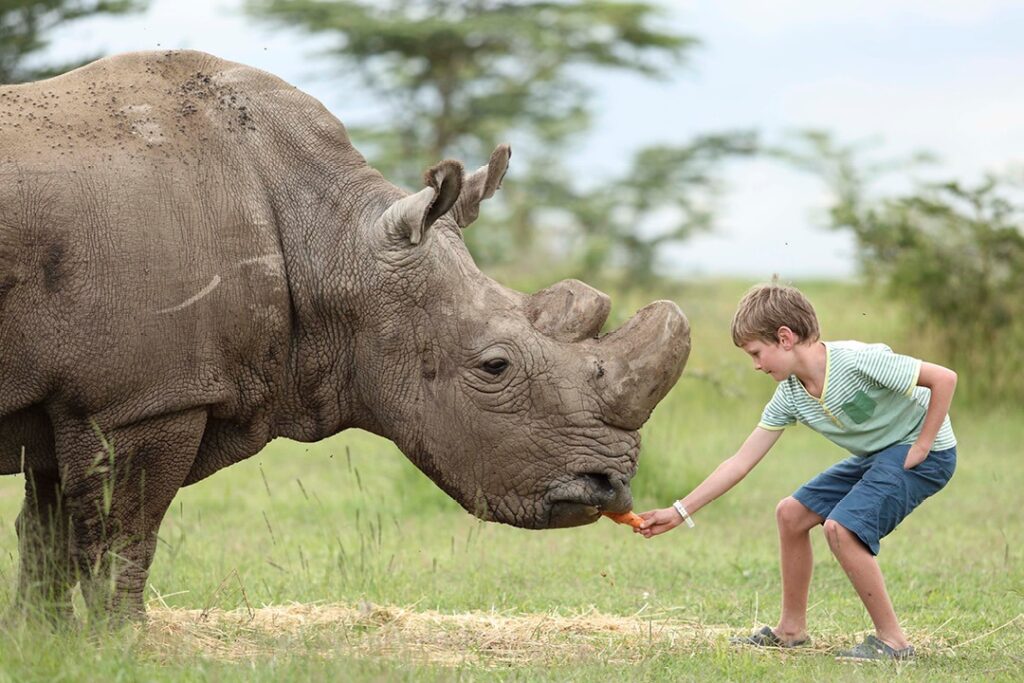
January and February are often excellent months for visitors who want reliable daytime viewing. The weather is typically drier and skies are clearer, which means great visibility for game drives. Animals tend to move closer to water points, and the bush is less dense than during the wet season—making it easier to spot everything from antelope and predators to large herbivores.
If you’re planning Kenya safaris during this time, expect strong sighting potential and a strong overall safari atmosphere: crisp mornings, active animals, and photography-friendly conditions.
June to October
This stretch is one of the most popular periods to visit Kenya, and for good reason. During these months, vegetation is often lower and animals are easier to see. If you want the “classic Savannah safari” look and feel, this is frequently the sweet spot.
June and July can be particularly rewarding, and by August to October, conditions generally remain favorable for wildlife spotting. For travelers booking Kenya camping safaris, the dry months also tend to be easier for night-time comfort because persistent rainfall is less likely.
The Short Rains (When the Conservancy Feels Fresh and Wild)
November
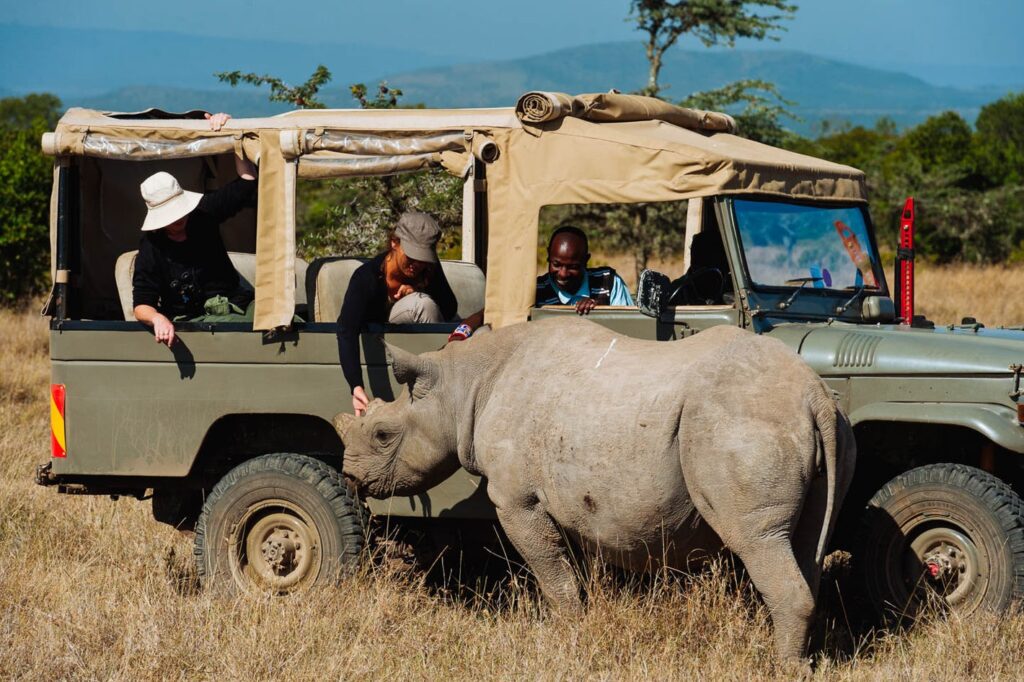
November can be a turning point month. It usually brings an increase in rainfall compared to the dry season, along with a shift in vegetation growth. While some rain may occur, it’s often manageable, and wildlife can remain very active.
What makes November appealing is that the conservancy begins to look greener and more alive—great for travelers who enjoy scenery as much as animal sightings. In terms of practical planning, you may experience occasional showers, but many safari days still run well.
If you’re on Kenya safaris in November, it helps to have an itinerary designed with flexibility (for example, ensuring you have enough time for game drives even if weather changes).
December to Early January (Depending on Rainfall Patterns)
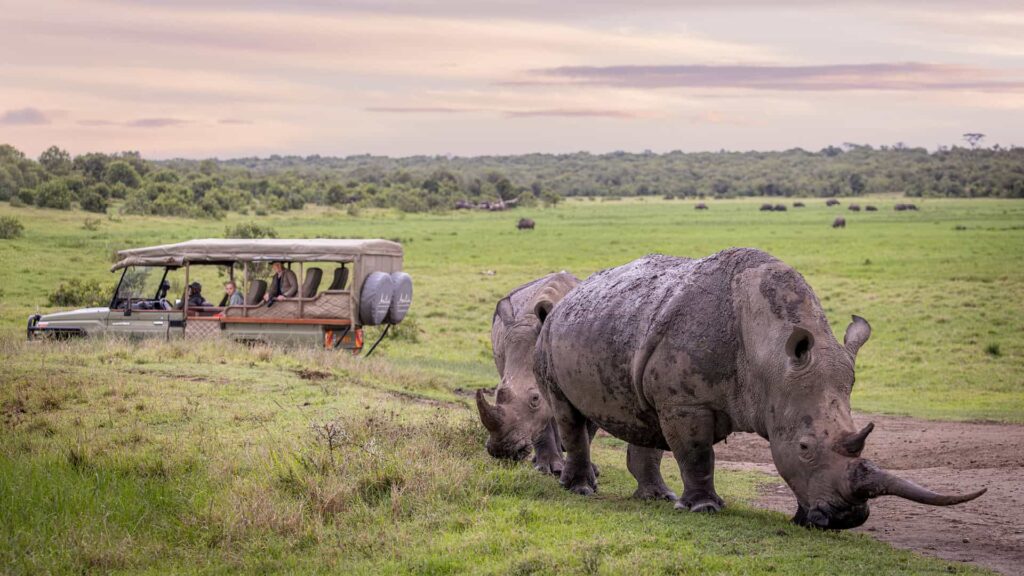
December often receives more rainfall than the peak dry months, but it can also be a period when travelers enjoy fewer crowds compared with the busiest holiday weeks. Since Ol Pejeta is a conservancy with guided drives and structured experiences, weather disruptions are usually easier to manage than in more remote areas.
December can also be a great time if you want a more atmospheric safari—warm days, occasional showers, and the landscape becoming lush.
The Wettest Periods (Lush Views, Different Viewing Experience)
March to May
March through May is typically part of the rainy season. That doesn’t automatically mean “bad safari.” In fact, for many travelers, the wet season offers beautiful landscapes and a sense of raw wilderness energy. However, there are trade-offs.
- Visibility may be reduced: taller grasses and thicker vegetation can make animals harder to see at a distance.
- Mud and roads: game-drive tracks can become wetter, depending on where and how you travel.
- Animal movement patterns: animals may spread out more if water sources aren’t as limited.
If your main goal is maximum sightings per hour, you might find better results during the drier months. But if your goal is a more immersive experience with dramatic scenery, the wet season can be unforgettable—especially when you pair it with Kenya camping safaris, where the sounds of rain and wildlife create lasting memories.
Best Time for Specific Safari Goals in Ol Pejeta
If you want the easiest wildlife viewing
Plan for the dry months, especially June to October and January to February. This is when game drives are most productive and spotting is typically simpler.
If you want dramatic landscapes and fewer crowds
Consider November or the shoulder period around early dry-season transitions.
If you’re booking kenya camping safaris
Dry seasons are usually the most comfortable for overnight stays. Rainy months can still work, but you should expect more weather variability and plan for cozy, well-prepared camping conditions.
What Wildlife Experience to Expect by Season
Ol Pejeta is known for strong conservation work, which means wildlife viewing is consistent in many ways year-round. Still, season can influence how animals behave:
- Dry season: animals concentrate around water sources; sightings can feel frequent and exciting.
- Wet season: scenery becomes lush; animals may roam more; sightings can be more “search and discovery.”
- Shoulder season (transitions): you can get a blend—some areas become greener while still offering good visibility for game drives.
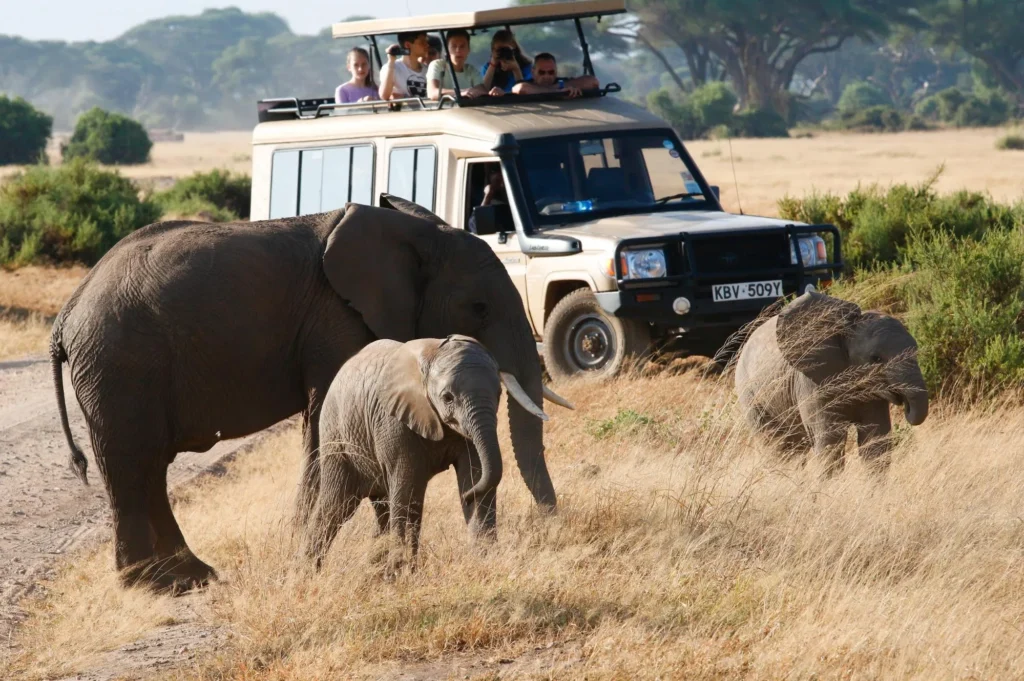
No matter the month, a knowledgeable guide and a well-paced itinerary are major factors in maximizing your outcomes.
Practical Tips for Choosing Your Month
- Be honest about your priorities
- Max visibility and classic game drives? Choose the dry season.
- Love lush landscapes and atmospheric experiences? Consider the rains or shoulder months.
- Pack for variability
Even in the dry season, mornings can feel cool, and weather can change quickly. For rainy periods, bring a waterproof jacket and water-resistant boots. - Match your safari style to the season
- For maximum sightings, prioritize daytime game drives during drier months.
- For immersive nights, plan kenya camping safaris when conditions are more stable.
Conclusion: Plan Your Ol Pejeta Visit with Cycads African Safaris
The best time to visit Ol Pejeta depends on what kind of safari experience you want—dry-season wildlife efficiency, greener rainy-season scenery, or a balanced shoulder-season adventure. For many travelers, the most reliable months for Kenya safaris and comfortable Kenya camping safaris are the drier periods, particularly January–February and June–October.
If you want your timing choices to translate into real, unforgettable moments—great sightings, smooth logistics, and an itinerary that fits your style—Cycads African Safaris can help you plan the right season and the right safari approach.
With the right month and the right guidance, your Ol Pejeta experience won’t just be about seeing wildlife—it will feel like you truly understand the rhythms of Kenya’s conservancy world. Contact us on info@cycadssafaris.com or USA: +18182906623
