
How to Plan a Gorilla and Chimpanzee Trek in Uganda. Uganda rightfully claims its title as the “Primate Capital of the World,” offering the most accessible and affordable gorilla trekking experiences alongside exceptional chimpanzee trekking opportunities. For travelers seeking the best East Africa safaris, combining these two iconic primate encounters creates an unparalleled wildlife adventure. This comprehensive guide provides everything you need to successfully plan your journey to explore Uganda and experience intimate encounters with humanity’s closest living relatives.
Why Choose Uganda for Primate Trekking?
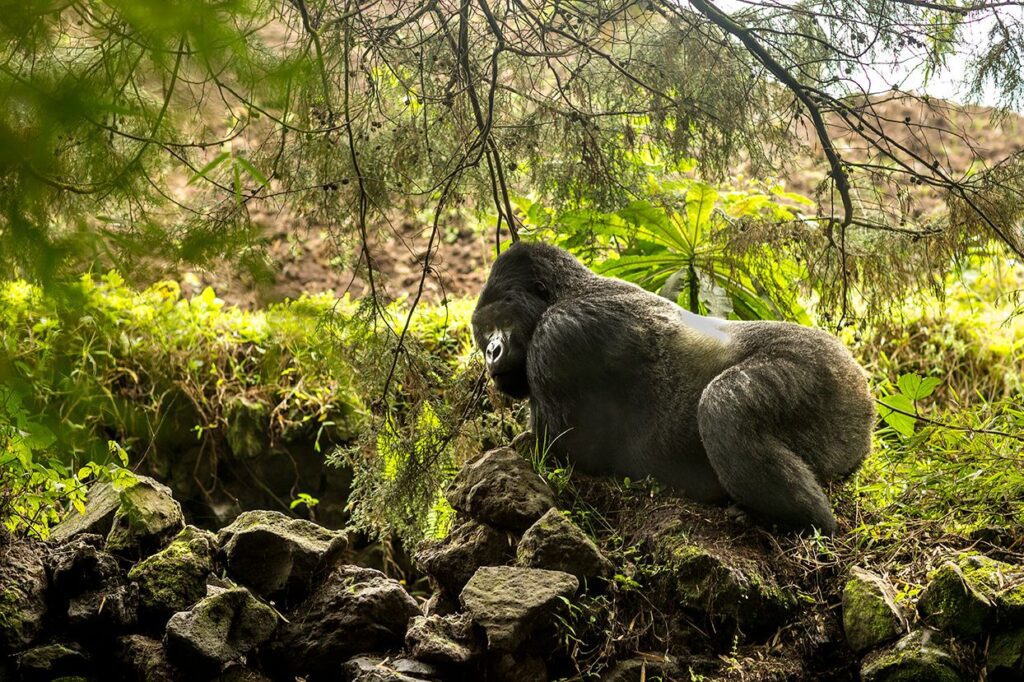
Among all safaris to Uganda, primate trekking stands as the crown jewel experience. Uganda hosts over half the world’s remaining mountain gorillas—approximately 500 individuals—spread across Bwindi Impenetrable National Park and Mgahinga Gorilla National Park. With more than 5,000 chimpanzees inhabiting multiple protected areas, Uganda offers unmatched diversity for primate enthusiasts planning Uganda travel adventures.
Compared to neighboring countries, Uganda safaris provide exceptional value. Gorilla permits cost $800 versus Rwanda’s $1,500, while infrastructure developments have made remote forests increasingly accessible without sacrificing the wilderness atmosphere that makes these encounters so magical.
Essential Planning Timeline
8-12 Months Before: Secure Permits
The cornerstone of successful gorilla trekking and chimpanzee trekking lies in permit acquisition. Gorilla permits especially require advance booking as only 96 permits are issued daily across all of Bwindi’s sectors and Mgahinga combined. For those planning Uganda travel during peak seasons (June-September and December-February), booking 8-12 months ahead ensures availability.
Contact the Uganda Wildlife Authority directly or work with licensed tour operators who can secure permits while arranging comprehensive Uganda safaris packages. Chimpanzee permits ($250 for standard treks, $300 for habituation experiences) show better availability but still warrant advance booking, particularly for Kibale Forest National Park during high season.
6-8 Months Before: Design Your Itinerary
The most rewarding safaris to Uganda allocate adequate time for both primate encounters without excessive rushing. Consider these proven itinerary frameworks:
7-Day Classic Gorillas and Chimps Safari This represents the minimum recommended time frame to properly explore Uganda’s primate destinations. Day 1-2 involves reaching Kibale Forest for chimpanzee trekking, Days 3-5 cover travel to Bwindi and gorilla trekking, and Days 6-7 allow for return travel with optional stops at Queen Elizabeth National Park or Lake Mburo.
10-Day Comprehensive Primate Experience Extended itineraries rank among the best East Africa safaris by incorporating multiple trekking opportunities and diverse ecosystems. Include the Valley of Apes at Kyambura Gorge, Budongo Forest chimpanzees in Murchison Falls Conservation Area, multiple gorilla treks in different Bwindi sectors, and golden monkey tracking in Mgahinga for thoroughly immersive Uganda travel experiences.
3-6 Months Before: Book Accommodation and Transportation
Uganda’s primate trekking lodges range from budget bandas to ultra-luxury eco-lodges. Book early as properties near gorilla sectors fill quickly. When planning Uganda safaris, accommodation location significantly impacts trekking logistics—stay close to your assigned trekking sector to minimize early morning travel.
Transportation options for safaris to Uganda include:
Private 4×4 Safari Vehicles: Most flexible option with experienced driver-guides who navigate challenging roads and enhance wildlife spotting during transfers. Essential for rainy season Uganda travel when unpaved roads become challenging.
Self-Drive: Suitable for adventurous travelers familiar with African road conditions. Requires international driving permits and comprehensive vehicle insurance.
Domestic Flights: Scheduled or charter flights between Entebbe and airstrips near Bwindi dramatically reduce travel time, maximizing your time to explore Uganda’s wildlife rather than roads.
Selecting Your Trekking Locations
Gorilla Trekking Options
Bwindi Impenetrable National Park divides into four sectors, each offering distinct experiences among the best East Africa safaris:
Buhoma (Northern Sector): Uganda’s original gorilla trekking zone with well-established infrastructure, moderate trek difficulty, and excellent lodging options ranging from backpacker-friendly to luxury.
Ruhija (Eastern Sector): Higher elevation creates cooler temperatures and attracts serious birders seeking Albertine Rift endemics alongside gorilla trekking. Treks here tend toward moderate-to-challenging difficulty.
Rushaga (Southern Sector): Contains the most habituated gorilla families, offering best permit availability. Budget travelers find excellent community camping options here, making it popular for affordable Uganda safaris.
Nkuringo (Southern Sector): Known for steep, physically demanding treks with spectacular panoramic views. The gorilla families here sometimes venture into community farmlands, creating unique viewing opportunities.
Mgahinga Gorilla National Park: Uganda’s smallest national park in the extreme southwest hosts one habituated gorilla family against a backdrop of dramatic volcanic peaks. Perfect for combining gorilla trekking with golden monkey tracking and volcano hiking during Uganda travel adventures.
Chimpanzee Trekking Locations
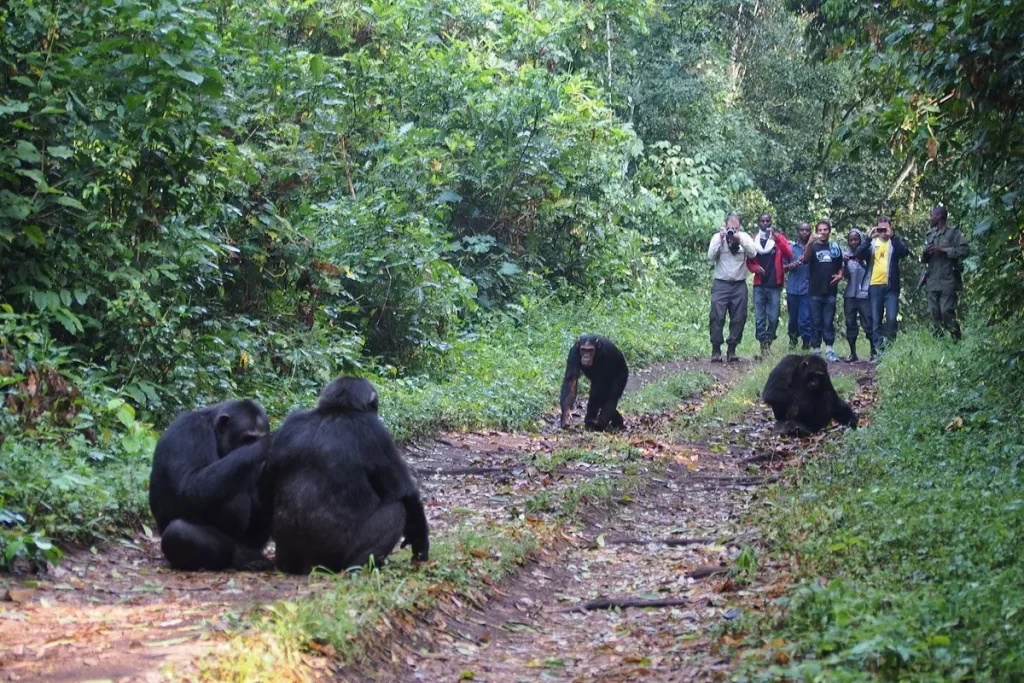
Kibale Forest National Park: The undisputed chimpanzee capital offers 90%+ success rates for encounters with 1,500 resident chimps. Morning and afternoon treks depart daily, while the exclusive habituation experience allows eight hours following chimps from dawn nest-leaving through their entire daily routine—truly among the best East Africa safaris for primate enthusiasts.
Kyambura Gorge (The Valley of Apes): Within Queen Elizabeth National Park, this 100-meter-deep forested gorge creates atmospheric chimpanzee trekking experiences. Though success rates average 70%, the dramatic landscape and adventure of descending into the canyon make every trek memorable. Combining the Valley of Apes with Queen Elizabeth’s tree-climbing lions and Kazinga Channel boat safaris creates diverse safaris to Uganda.
Budongo Forest Reserve: Integrated within Murchison Falls Conservation Area, Budongo offers chimpanzee trekking alongside exceptional birding (360+ species). Perfect for comprehensive Uganda safaris combining primates, classic savanna wildlife, and the spectacular Murchison Falls themselves.
Physical Preparation and Fitness Requirements
Successfully completing gorilla trekking and chimpanzee trekking requires moderate fitness levels. Treks range from one to eight hours through steep, muddy, sometimes challenging terrain at altitudes reaching 2,600 meters. Neither activity demands technical climbing skills, but participants should comfortably walk several hours over uneven ground.
Prepare for Uganda travel with regular cardiovascular exercise—hiking with loaded backpacks on varied terrain provides ideal preparation. Those with mobility concerns should discuss options with tour operators, as some gorilla families require less strenuous treks than others.
What to Pack for Success
Essential items for Uganda safaris focused on primate trekking include:
- Footwear: Waterproof hiking boots with ankle support and excellent traction
- Clothing: Long-sleeved shirts and trousers (neutral colors) protecting against stinging nettles, insects, and undergrowth
- Rain gear: Lightweight waterproof jacket and rain pants—rain occurs year-round
- Accessories: Gardening gloves for gripping vegetation, wide-brimmed hat, gaiters (optional but helpful)
- Equipment: Daypack, 2+ liters water, high-energy snacks, camera with spare batteries
- Health items: Insect repellent, sunscreen, personal first-aid supplies, any prescription medications
Health and Safety Considerations
Before embarking on safaris to Uganda, consult travel medicine specialists regarding required vaccinations. Yellow fever vaccination certificates are mandatory for Uganda entry. Recommended immunizations include hepatitis A and B, typhoid, tetanus, and rabies (for extended stays). Malaria prophylaxis is essential as trekking areas lie within endemic zones.
Comprehensive travel insurance covering medical evacuation, trip cancellation, and emergency repatriation provides crucial protection when planning Uganda travel to remote forest areas.
Budget Planning
Comprehensive Uganda safaris combining gorilla and chimpanzee treks typically range from $2,500-$8,000+ per person depending on accommodation standards, group size, and itinerary duration. Budget allocations should include:
- Gorilla permits: $800 per trek
- Chimpanzee permits: $250-$300 per trek
- Accommodation: $50-$800+ per night
- Transportation: $150-$300 daily for private vehicles
- Meals, tips, and incidentals: $30-$100 daily
- International flights (separate from in-country costs)
Conclusion
Planning combined gorilla and chimpanzee treks represents an investment in once-in-a-lifetime wildlife encounters. These Uganda safaris deliver transformative experiences impossible elsewhere, from locking eyes with gentle giant silverbacks in mist-shrouded forests to watching acrobatic chimpanzees in the Valley of Apes. As you explore Uganda through the best East Africa safaris, meticulous planning ensures every aspect of your primate adventure exceeds expectations, creating memories and connections with our evolutionary cousins that last forever.
