
What Are Silverback Gorillas?. Silverback gorillas are among the most powerful and fascinating animals on Earth. They are not a separate species, but rather adult male gorillas that have developed a distinctive patch of silver-gray hair on their backs. The term silverback is widely used by wildlife experts and tour guides, and it has also become a key word in many safari discussions—especially for travelers planning Uganda safaris. If you’re curious about what makes these males so remarkable, this guide will explain their biology, behavior, social structure, and why gorilla-focused trips like gorilla trekking and gorilla habituation are so popular.
The Meaning of “Silverback”
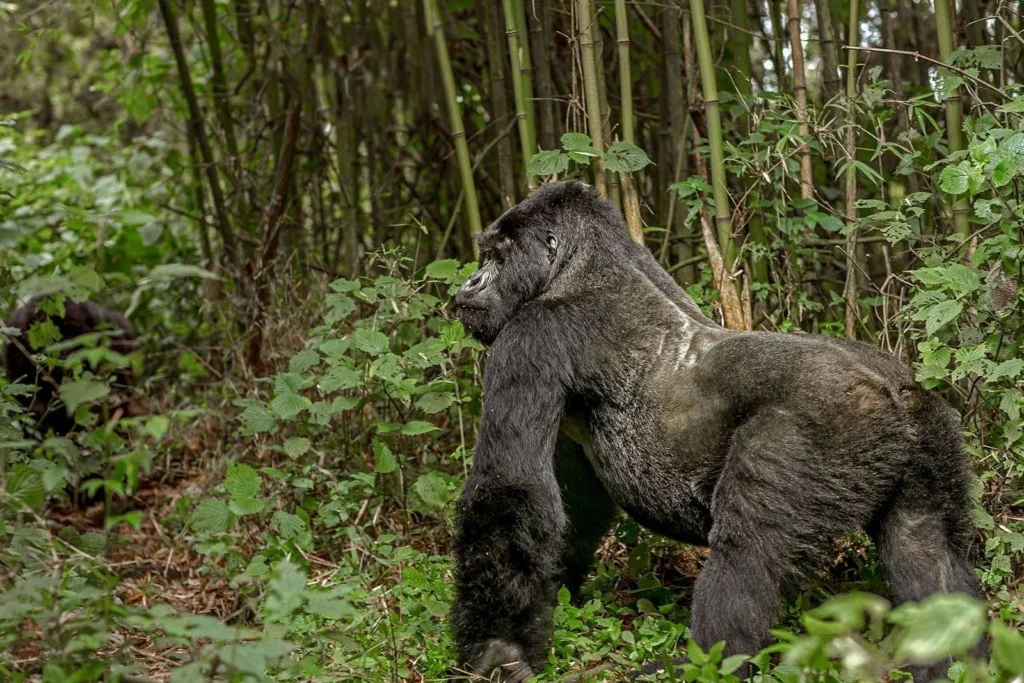
The word silverback describes an adult male gorilla that typically develops a broad, silver-colored stripe extending from its shoulders down its back. This change usually becomes noticeable when a gorilla reaches maturity. In many gorilla groups, the silverback becomes the leader, managing group movements and offering protection.
Silverback gorillas are especially important because they help maintain order within the family unit. Their presence can influence where the group forages, when it rests, and how it responds to threats. For travelers, seeing a silverback in the wild during gorilla trekking is often the highlight of the entire experience.
Species and Range
Silverback gorillas belong to the broader group of great apes and are found in several African regions. While gorilla populations exist across different habitats, the most commonly visited for tourism are eastern lowland and mountain gorillas. Many Uganda safaris focus on areas where gorillas can be observed responsibly, especially in protected forest regions.
These forests provide the food, shelter, and climate conditions gorillas need to survive. Gorillas are mainly herbivores, and their diets vary depending on the season and location. Their natural habitat is lush, filled with plants like leaves, stems, fruits, and other vegetation.
Social Life: Family Units and Leadership
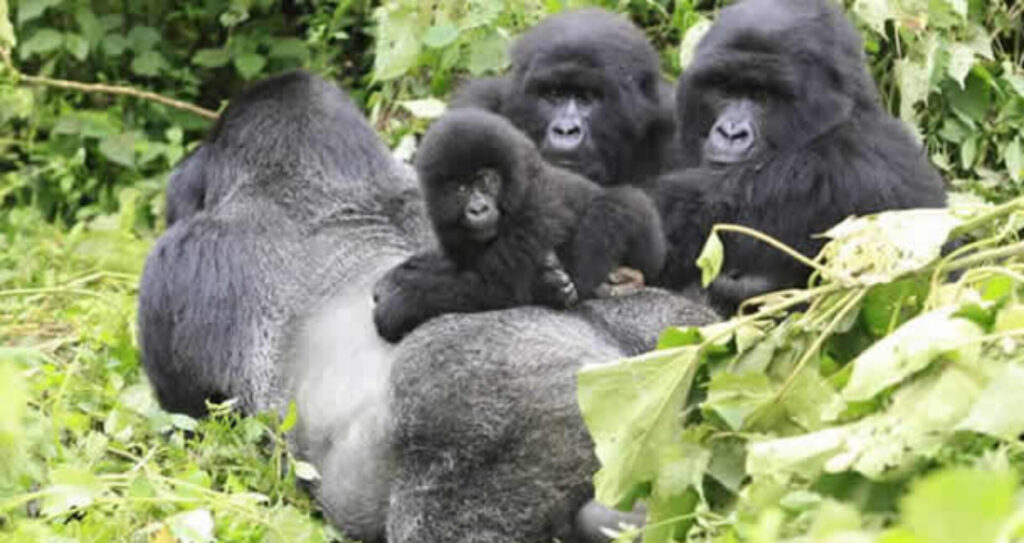
Gorillas live in structured family groups. A typical group can include a silverback male, several females, and their young. The silverback plays a central role, but leadership is not only about aggression—it’s also about decision-making and stability.
When a group moves to a new feeding area, the silverback often leads or influences direction. He also helps reduce conflict within the group. Females and younger gorillas rely on the silverback’s judgment, especially when the group faces challenges such as predators or difficult terrain.
Even though silverbacks are strong, they are not constantly fighting. Much of their behavior involves communication and maintaining social harmony. You might notice signs like posture changes, vocal calls, and movements that communicate calmness or warning.
Communication: More Than Roaring
Silverback gorillas communicate using a range of signals. Some sounds may seem intimidating, but they can serve as warnings rather than actual attacks. Common behaviors include chest-beating, vocalizations, and body posture.
Chest-beating is often associated with displays of strength, intimidation, or territorial defense. However, it doesn’t always mean the gorilla is going to charge. In many cases, it’s part of an interaction that helps the group stay safe.
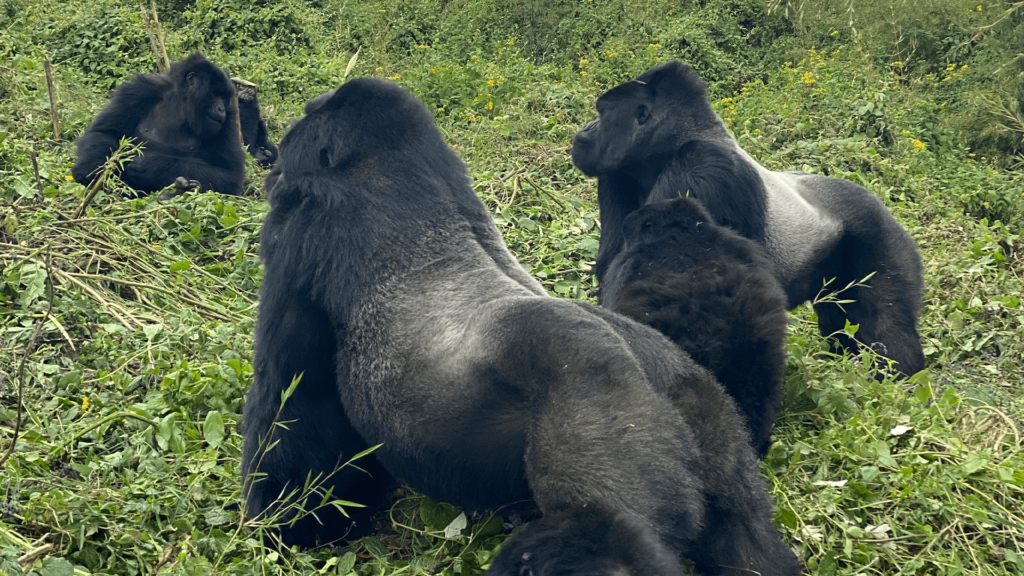
This communication is also one reason why gorilla habituation matters for tourism. Habituation is the process of gradually teaching gorillas to become comfortable with the presence of humans in a controlled and respectful way. It helps reduce stress for the animals and allows visitors to observe natural behavior more safely from a distance.
Why Habituation Is Essential for Gorilla Trekking
Gorilla habituation programs allow gorillas to adjust to human presence without losing their wild instincts. Over time, gorillas learn that people in the area are not a direct threat. This is important for both animal welfare and visitor safety.
When gorillas are habituated, gorilla trekking becomes possible because visitors can enter the forest to locate the gorilla group. The experience is guided by trained trackers and researchers who know how to interpret gorilla signs like footprints, broken branches, feeding areas, and dung trails.
During gorilla trekking, you may hear calls and see movement in the forest long before you get close. Then, once the gorilla group is located, there’s usually a strict rule set on distance, noise levels, and time spent viewing. These guidelines are designed to protect gorillas and reduce disturbance.
Diet and Daily Life
Silverback gorillas spend much of their day foraging and feeding. Their diet is mostly plant-based, and they eat a variety of vegetation depending on what’s available. Leaves are a major component, along with stems, shoots, fruit, and other forest plants.
Gorillas also spend time resting and moving between feeding areas. Since they are adapted to forest life, their movement is carefully balanced to conserve energy while searching for food. Their daily routine can look calm and slow from a distance, but it is actually a constant process of reading the environment.
Conservation Importance
Silverback gorillas face serious threats, including habitat loss, disease transmission, and poaching pressures in some areas. Because of their role in family groups, the loss of a dominant silverback can affect the stability of gorilla communities. This is one reason why many conservation efforts focus on protecting gorillas and supporting responsible tourism.
When travelers join Uganda safaris that include gorilla trekking and related conservation activities, they often contribute to wildlife protection through permits and park support fees. These funds can help with anti-poaching measures, habitat restoration, and community conservation programs.
Choosing the Right Experience in Uganda
If you’re planning Uganda safaris, it’s important to choose programs that respect wildlife and follow ethical trekking guidelines. Look for tours that emphasize education, safety briefings, and responsible viewing practices. The goal is to observe gorillas while ensuring their welfare is protected.
Also consider the timing and your expectations. Gorilla trekking and habituation experiences can vary in length and difficulty depending on the location and where the gorilla family is found. Some treks require patience, because forest conditions and gorilla movement are unpredictable.
Conclusion: Cycads African Safaris and the Wonder of Gorillas
Silverback gorillas are incredible leaders of their groups, recognized by their silver-gray back hair and their role in maintaining family stability. From their communication skills to their daily routines and social structures, they represent a living symbol of Africa’s wild biodiversity. Experiences like gorilla trekking and gorilla habituation bring visitors close enough to witness natural behavior while supporting conservation efforts.
If you want to explore these moments responsibly and with expert guidance, Cycads African Safaris can be a great choice for travelers seeking unforgettable wildlife encounters. Whether you’re seeing a silverback for the first time or learning about the conservation work protecting these gentle giants, an Uganda gorilla journey is truly one of Africa’s most meaningful adventures. Contact us on info@cycadssafaris.com OR USA: +18182906623
