
Ngorongoro Crater: A Deep Dive into East Africa’s Wildlife Jewel. Nestled in northern Tanzania, the Ngorongoro Crater is one of East Africa’s most iconic landscapes and a highlight on many Tanzania safaris. This vast, sunken caldera—measuring roughly 20 kilometers across and created by a massive volcanic collapse around two to three million years ago—now hosts a remarkable concentration of wildlife in a relatively compact area. For travelers seeking the best safari in East Africa or planning short Tanzania safaris, Ngorongoro delivers an extraordinary blend of scenery, biodiversity, cultural encounters, and photographic opportunity.
A unique ecosystem and its wildlife spectacle
Ngorongoro’s geological origin makes it a singular ecosystem. Enclosed by steep crater walls that average 600 meters in height, the floor of the crater spans about 260 square kilometers and contains grasslands, freshwater lakes, woodlands, marshes and patches of forest. This mixture of habitats supports large resident populations of grazing ungulates—buffalo, zebra, wildebeest, eland, kongoni (topi-like antelope), and Thomson’s and Grant’s gazelles—along with a healthy population of black rhino, one of the last strongholds for these critically endangered animals in Tanzania.
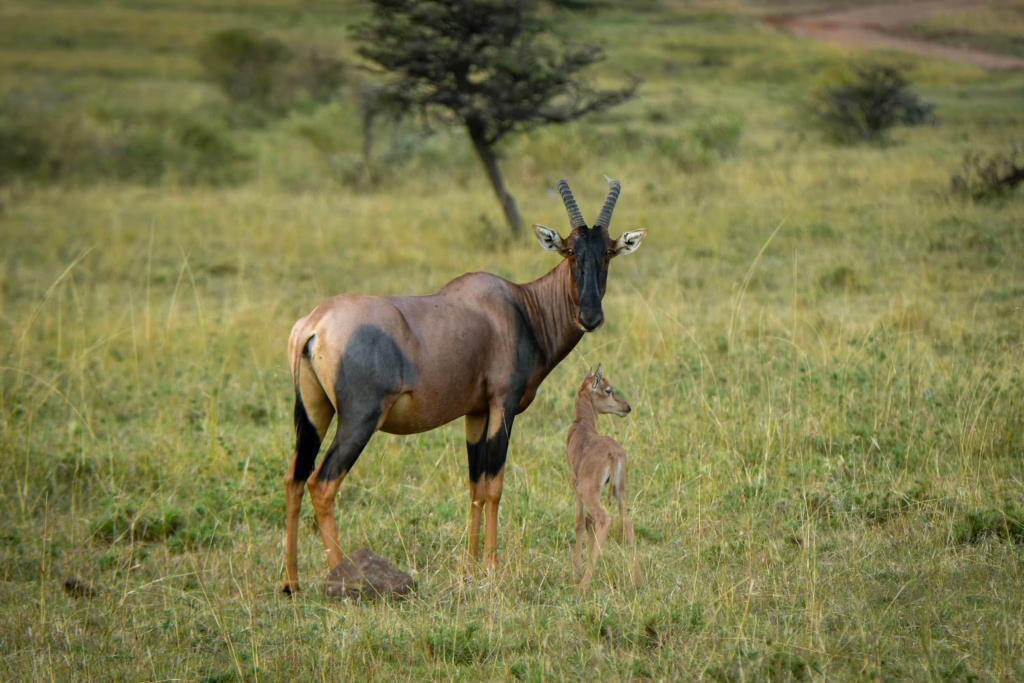
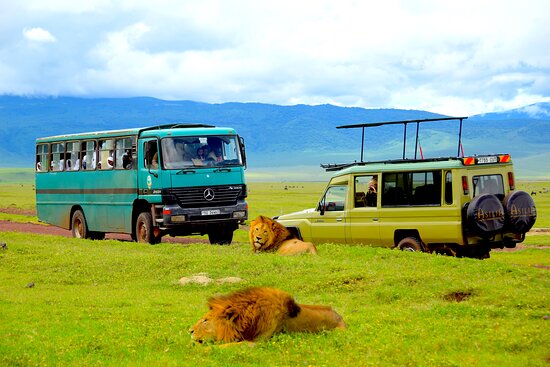
Carnivores are a major draw. Lions in Ngorongoro are notable for living within a constrained range and for their tolerance of other predators and scavengers; spotted hyenas are abundant and often seen in coordinated packs; leopards, though more secretive, are present along the crater rim and in forested pockets. The crater also supports cheetahs, jackals, and a large variety of bird species, from raptors and flamingos (at the seasonal soda lakes) to myriad waterfowl and endemic species adapted to this highland environment.
Why Ngorongoro stands out for safari travelers
- High density, short drive times: Because the wildlife is concentrated within the crater’s enclosed space, visitors enjoy excellent chances of seeing a broad diversity of species in a single game drive. This makes Ngorongoro an ideal stop for travelers on short Tanzania safaris or those seeking efficient wildlife viewing without long drives between sightings.
- Scenic drama and accessibility: The crater rim provides panoramic viewpoints that are spectacular at sunrise and sunset, offering dramatic backdrops for photography and landscape appreciation—this combination of easy access and visual drama helps explain why many rank Ngorongoro among the best safari in East Africa experiences.
- Conservation and community: The Ngorongoro Conservation Area (NCA) is a UNESCO World Heritage Site encompassing not only the crater but a mosaic of Maasai pastoral lands and wildlife areas. The NCA permits human habitation, and Maasai communities live and graze livestock within the broader conservation area. This integration of people and wildlife presents opportunities for cultural interaction and learning about traditional Maasai life—an enriching complement to wildlife viewing.
- Year-round appeal: Unlike some savanna systems that follow dramatic seasonal migrations, Ngorongoro maintains resident populations, so wildlife viewing is rewarding year-round. Rainfall patterns influence habitat conditions and animal distribution, but the crater’s permanent water sources keep it alive with activity in every season.
Practical considerations for visitors
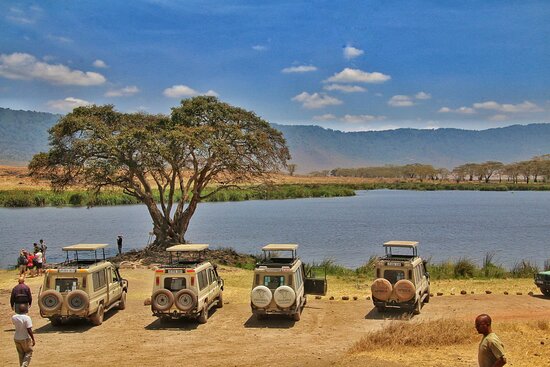
- Permits and entrance fees: Entry into the Ngorongoro Crater requires both conservation area fees and crater vehicle permits, which are issued in limited numbers to control traffic and reduce wildlife disturbance. These costs are typically higher than standard national park fees in Tanzania; book permits through your tour operator in advance, especially during peak travel months.
- Timing and best hours: Game drives that enter the crater early in the morning offer the best light for photography and cooler conditions for wildlife activity. Late afternoon drives can also be rewarding, but note that vehicles must exit the crater by a set time—often around sunset—so plan accordingly to avoid being rushed.
- Guided vehicles and rules: The crater is managed to protect wildlife—follow guide instructions, maintain safe distances, and respect park regulations (such as no off-road driving). Vehicle allocation limits movement to designated tracks, ensuring the area is not overrun by traffic.
- Accommodation and logistics: Options range from basic campsites to luxury lodges on the crater rim, each offering different perspectives. Staying on the rim affords sunrise and sunset views over the crater, while lodges outside the rim provide broader access to surrounding parks and easier integration into longer Tanzania safaris or short Tanzania safaris itineraries.
- Health and altitude: The crater floor sits at about 1,800–2,000 meters (5,900–6,600 feet), often cooler than lowland plains. Be prepared for temperature swings and bring layers. Visitors with respiratory or cardiac concerns should consult a physician before travel, though most travelers adapt without issue.
Combining Ngorongoro with other safari highlights
Ngorongoro fits well into diverse Tanzania safaris. It pairs naturally with the nearby Serengeti—where the great wildebeest migration and wide-open plains deliver dramatic predator-prey scenes—and with Tarangire or Lake Manyara for bird life and baobab-studded landscapes. For travelers seeking the best safari in East Africa, a circuit that includes Serengeti and Ngorongoro provides a powerful contrast: expansive, migratory grasslands versus a dense, crater-confined wildlife theater. Short Tanzania safaris often feature Ngorongoro as a central highlight precisely because it maximizes species sightings in limited time.
Responsible travel and conservation impact
The Ngorongoro Conservation Area’s model of integrated land use emphasizes coexistence between Maasai pastoralists and wildlife. Responsible tourism supports conservation fees, community benefits, and anti-poaching efforts. Choose operators that transparently reinvest in local communities and conservation initiatives—this ensures your visit contributes positively to protecting the crater’s future.
Final thoughts
Ngorongoro Crater offers a concentrated, accessible, and visually stunning safari experience that exemplifies why many travelers consider northern Tanzania among the best safari in East Africa. Whether you’re on an extended journey through the Serengeti or a condensed, high-impact short Tanzania safaris itinerary, the crater’s diverse habitats, rich wildlife, and cultural context make it an essential stop.
For travelers planning a trip, work with seasoned local specialists who understand permit logistics, seasonal dynamics, and how to create respectful encounters with wildlife and people. If you want a trusted partner to craft a memorable and responsible Ngorongoro experience, consider Cycads Africa Safaris—experienced operators who design Tanzania safaris that balance wildlife spectacle, cultural insight, and conservation-minded travel. Contact us on info@cycadssafaris.com OR +18182906623
