
Rhino Tracking in Uganda: What to Expect. Uganda has emerged as one of Africa’s premier wildlife destinations, offering travelers unique opportunities to encounter some of the continent’s most magnificent creatures. While gorilla trekking often steals the spotlight on Uganda safari itineraries, rhino tracking has become an increasingly popular and rewarding experience for wildlife enthusiasts visiting this East African gem. If you’re planning Uganda tours, understanding what rhino tracking entails will help you make the most of this extraordinary adventure.
The Rhino Comeback Story
Uganda’s rhino population faced near extinction during the civil unrest of the 1970s and 1980s. The last wild black rhino was spotted in 1982, marking a devastating loss for the country’s biodiversity. However, through dedicated conservation efforts, rhinos have made a remarkable comeback. The Ziwa Rhino Sanctuary, established in 2005, has become the only place in Uganda where you can track rhinos on foot—a truly unforgettable addition to any safari in Uganda.
Where to Track Rhinos
Located in Nakasongola District, approximately 176 kilometers north of Kampala along the Kampala-Gulu highway, Ziwa Rhino Sanctuary spans 70 square kilometers of protected savanna and woodland. The sanctuary serves as a breeding ground for southern white rhinos, with the ultimate goal of reintroducing these magnificent animals back into Uganda’s national parks. Most Uganda safari holidays incorporate a stop at Ziwa, either as a standalone day trip or as a convenient break when traveling to or from Murchison Falls National Park.
The Tracking Experience
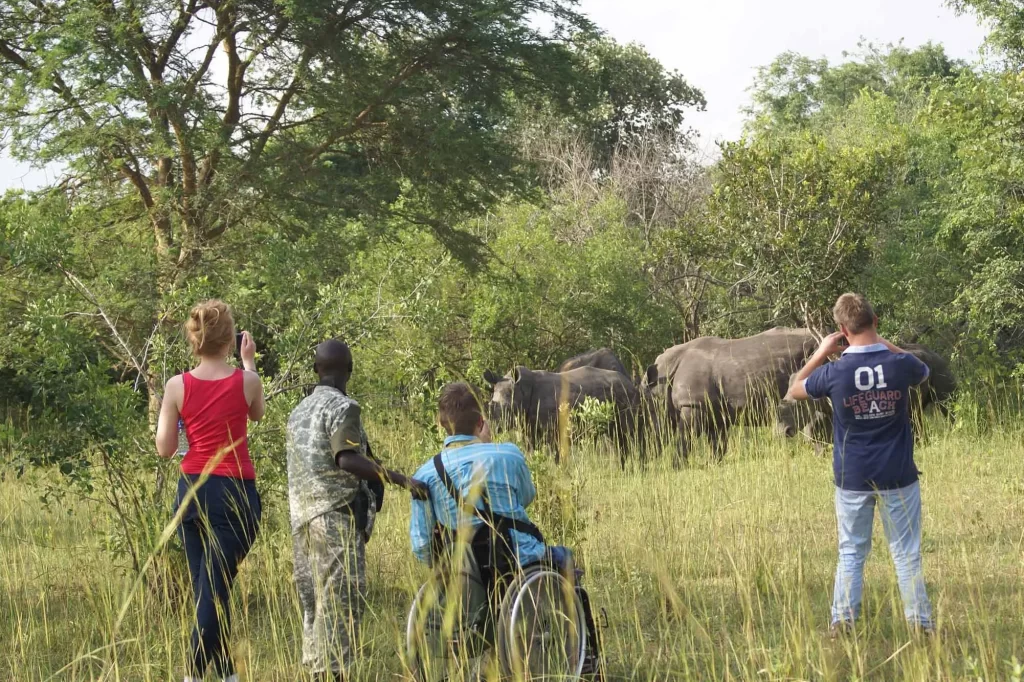
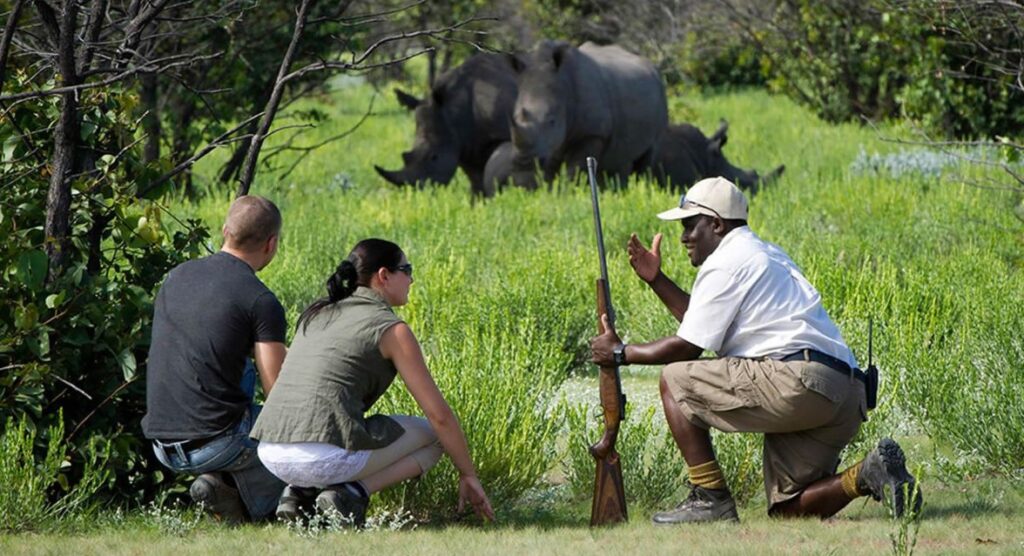
Rhino tracking at Ziwa is conducted on foot, accompanied by experienced armed rangers who ensure both your safety and that of the rhinos. The experience typically lasts between one to two hours, depending on the rhinos’ location and movements. Unlike viewing animals from a vehicle, walking through the sanctuary provides an intimate, ground-level perspective that heightens your senses and creates a profound connection with these prehistoric-looking giants.
Your ranger will brief you on safety protocols before setting out. You’ll learn how to approach the rhinos quietly, maintain a respectful distance of approximately 6-7 meters, and read their body language. The sanctuary is home to over 40 white rhinos, so sightings are virtually guaranteed—a reassuring prospect for travelers investing in safaris in Uganda.
What Makes It Special
The intimacy of foot-based tracking sets rhino encounters apart from typical game drives. As you approach these massive creatures—adult white rhinos can weigh up to 2,300 kilograms—the ground vibrates slightly beneath their weight. You’ll observe their grazing habits, social interactions, and surprisingly gentle demeanor. Mother rhinos with calves offer particularly touching moments, showcasing the nurturing side of these often misunderstood animals.
The sanctuary’s guides are exceptional naturalists who share fascinating insights about rhino biology, behavior, and conservation challenges. You’ll learn about the rhino’s poor eyesight but acute hearing, their unique social structures, and the devastating impact of poaching that continues to threaten rhino populations across Africa.
Best Time to Track
Rhino tracking is available year-round, making it flexible for any Uganda safari schedule. However, the dry seasons from June to September and December to February offer optimal conditions. During these months, vegetation is lower, making rhinos easier to spot, and walking conditions are more comfortable. The wet seasons can make tracking more challenging but offer lush, green landscapes and fewer crowds.
Morning sessions (7:00-11:00 AM) and afternoon sessions (2:00-5:00 PM) are available, with early mornings generally recommended as rhinos are most active during cooler hours.
Practical Considerations
Wear neutral-colored, long clothing and sturdy walking shoes suitable for uneven terrain. Bring sun protection, insect repellent, and a quality camera with a zoom lens. The sanctuary provides basic facilities including accommodation for those wishing to overnight, though most visitors include it as a day stop during broader Uganda tours.
The tracking fee supports the sanctuary’s conservation work, including anti-poaching patrols, veterinary care, and habitat management. You’re not just gaining an unforgettable experience; you’re contributing directly to Uganda’s wildlife recovery.
Combining Rhino Tracking with Other Experiences
Ziwa’s location makes it an ideal addition to northern circuit Uganda safari holidays. Combine rhino tracking with chimpanzee trekking in Budongo Forest, boat safaris on the Nile, or the spectacular wildlife viewing at Murchison Falls. The sanctuary also offers guided night walks, bird watching (over 300 species recorded), and shoebill stork tracking for keen birders.
Conclusion
Rhino tracking in Uganda represents conservation success in action and offers travelers an authentic, ground-level wildlife encounter that few other destinations can match. Whether you’re a seasoned safari-goer or embarking on your first African adventure, walking alongside these magnificent animals creates memories that last a lifetime.
When planning your East African adventure, consider partnering with Cycads African Safaris, specialists in crafting bespoke Uganda safari experiences that showcase the country’s incredible biodiversity. Their expertise ensures your rhino tracking experience—and every aspect of your journey—exceeds expectations, supporting conservation while delivering the adventure of a lifetime. Contact us on info@cycadssafaris.com OR +18182906623
