
Is Gorilla Trekking Dangerous? A Realistic Guide for First-Time Travelers. If you’ve been thinking about doing gorilla trekking, you’ve probably wondered whether it’s dangerous. After all, you’re stepping into a natural habitat where powerful animals roam—and you’re trekking through dense jungle in areas where conditions can change quickly. The good news is that for most travelers, gorilla trekking is generally safe when you follow park rules and trek with experienced guides. The better question is: dangerous in what way, and how can you reduce the risks?
In this blog, we’ll break down what “danger” looks like during gorilla trekking, explain the role of gorilla habituation, and share practical tips for travelers planning Uganda tours. We’ll keep it honest, not alarmist—so you can make an informed decision.
Understanding the “Risk” Behind Gorilla Trekking
Many people assume the main danger is an aggressive gorilla attack. In reality, that scenario is rare. Mountain gorillas are generally not interested in humans as prey, and their behavior during guided treks is closely managed by park authorities.
Still, trekking is an outdoor activity. The real risks are often environmental and human-related, not animal-related. These include:
- Challenging terrain: slippery mud, steep slopes, and thick vegetation
- Altitude and fatigue: some areas are at higher elevations
- Weather changes: rain can make paths harder and visibility lower
- Insect exposure: bites and stings can happen in forest environments
- Limited communication: you may be far from vehicles during the trek
So while gorilla trekking is not typically “dangerous” in the dramatic sense, it does involve real physical risk that requires preparation.
How Gorilla Habituation Affects Safety
A key factor in the safety conversation is gorilla habituation. Habituation is the process of gradually acclimating gorillas to human presence. The goal is not to “train” gorillas like performers—it’s to help them become accustomed to observers so they can continue normal behavior while allowing humans to watch them safely.
When gorillas are habituated (or in the process of habituation), they are generally more tolerant of the presence of guided visitors. This reduces stressful interactions and makes the experience safer for both sides.
However, it’s important to understand that habituated gorillas still behave like wild animals. They may move away, change direction quickly, or display protective behavior if they feel the group is too threatened. That’s why strict rules are always enforced: you don’t rush toward them, you don’t provoke them, and you keep the approved distance.
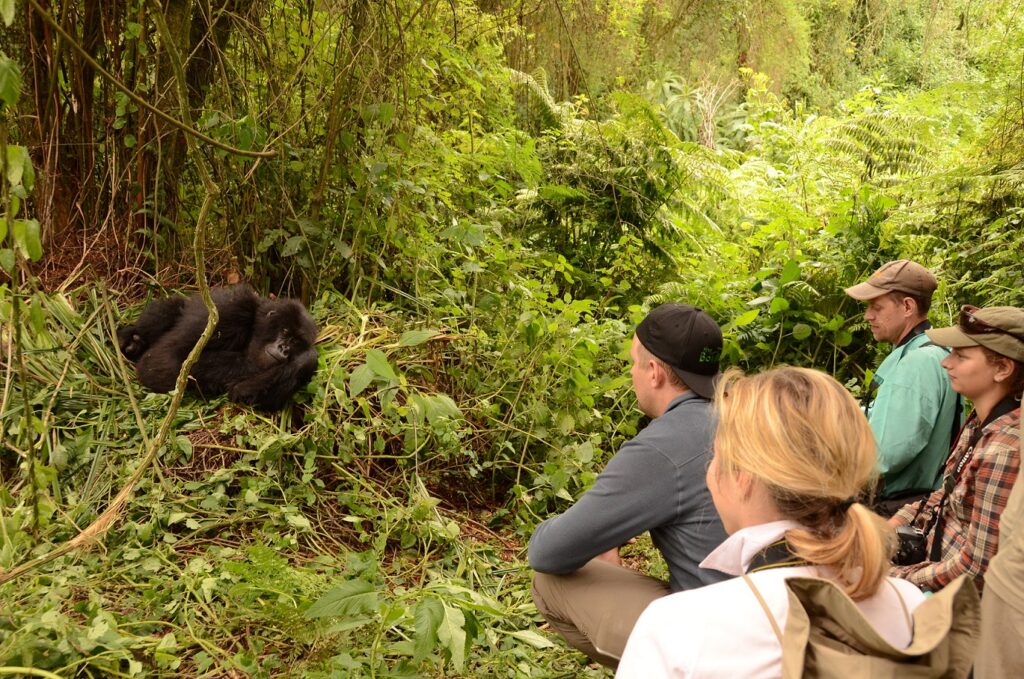
Common Questions: Will I Get Attacked?
Most travelers worry that the gorillas might charge. In most cases, gorillas are more likely to display warning or dominance behaviors rather than violent attacks. Signs that keep trekkers safe include vocal calls, body movement, and changes in posture that guides and rangers read instantly.
If gorillas show discomfort, the safest response is also built into the process: you remain calm, you follow your guide’s instructions, and you allow the gorillas to move naturally. Guides manage the group to prevent crowding and reduce sudden noise.
This is where the system works best: gorilla trekking is not a DIY activity. With trained rangers and guides, the risk is managed through education, monitoring, and controlled visitor behavior.
The Real Safety Checklist for Gorilla Trekking
If you want to reduce the risk as much as possible, preparation matters. Here are practical steps that make your gorilla trekking safer and more enjoyable:
1) Train your body for a trek
You don’t need to be a professional athlete, but you should be able to hike for several hours on uneven ground. Focus on stamina, leg strength, and balance.
2) Wear the right clothing
Forest conditions can be wet and unpredictable. Use:
- long trousers (to protect from scratches)
- sturdy hiking boots with good grip
- a rain jacket or waterproof layers
- neutral-colored clothing (helps you blend into the environment)
3) Follow ranger instructions exactly
Do not step out of position, do not run, and don’t ignore guidance on distance and time limits. Rules exist because they protect everyone.
4) Bring essential items
Consider:
- light rain gear
- insect repellent
- a water bottle and snacks (if allowed by your package)
- gloves if you’re prone to hand injuries
- a basic first-aid kit
5) Respect the gorillas
This includes speaking softly, minimizing sudden movements, and never attempting to touch or surround gorillas. The experience is meant to observe, not interact.
How Uganda Tours Fit In (and Why It Matters)
When planning Uganda tours, choosing a reputable operator can significantly improve your safety. A well-organized itinerary ensures:
- proper briefing before trekking
- the right permits and tracking systems
- experienced guides who understand the terrain and gorilla behavior
- pacing that matches your fitness level
In Uganda, gorilla trekking is typically run under structured park programs. This is one reason gorilla trekking can be safer than people expect—because the entire experience is built around safety protocols.
Also, if your itinerary includes multiple activities (like wildlife drives, cultural experiences, or nature walks), your tour schedule should account for rest. Trekking is physically demanding, and stacking too many strenuous days can increase fatigue-related risks.
Final Thoughts: Is Gorilla Trekking Dangerous?
So, is gorilla trekking dangerous? For most travelers, it is not dangerously unpredictable when done through authorized operators and with good fitness and careful behavior. The bigger risks are usually outdoor challenges—terrain, weather, and physical strain—not aggressive gorilla attacks.
Remember that gorilla habituation helps gorillas become more comfortable with human presence over time, which supports safer viewing conditions. But habituation does not eliminate wildness. The rules, distance requirements, and ranger guidance exist for a reason, and following them turns a potentially risky activity into a controlled and memorable adventure.
Conclusion: Choose Confidence with Cycads African Safaris
If you’re considering gorilla trekking as part of your Uganda tours, it’s best to plan with confidence: focus on preparation, follow park guidance, and pick a tour company that prioritizes safety and proper briefing. With the right planning, your time in the gorilla forests can be exciting, meaningful, and safe.
For travelers looking for a well-organized and reassuring experience, Cycads African Safaris is a strong choice to help you plan your journey—so you can enjoy unforgettable wildlife moments with peace of mind. Contact us on info@cycadssafaris.com OR USA: +1 8182906623
