
Mgahinga Gorilla National Park: Uganda’s Hidden Gem. Nestled in the southwestern corner of Uganda, where the borders of three nations converge, Mgahinga Gorilla National Park stands as one of Africa’s most remarkable wildlife sanctuaries. This compact yet extraordinary park, covering just 33.7 square kilometers, offers visitors an intimate encounter with some of the world’s rarest primates. For those planning Uganda safaris, Mgahinga represents a destination where volcanic landscapes meet endangered wildlife in one of the continent’s most dramatic settings.
A Volcanic Wonderland
Mgahinga Gorilla National Park encompasses three extinct volcanoes from the Virunga Mountain range: Mount Muhabura, Mount Gahinga, and Mount Sabyinyo. These ancient volcanic peaks create a stunning backdrop that defines the park’s character. The name “Mgahinga” itself derives from the local word “Gahinga,” meaning piles of volcanic stones cleared from farmland. The park’s elevation ranges from 2,227 to 4,127 meters above sea level, creating diverse ecological zones from bamboo forests to alpine vegetation. This unique topography makes safaris to Uganda incomplete without experiencing the volcanic majesty of this remarkable park.
Gorilla Trekking: The Ultimate Wildlife Experience
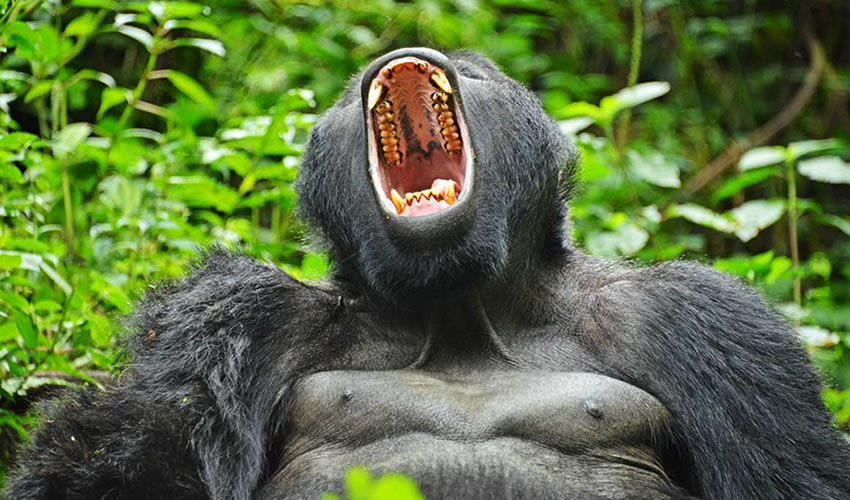
The primary attraction that draws visitors to explore Uganda through Mgahinga is undoubtedly gorilla trekking. The park is home to the Nyakagezi gorilla family, a habituated group that allows tourists remarkable close encounters with these gentle giants. Mountain gorillas share 98% of their DNA with humans, and observing them in their natural habitat is consistently described as a life-changing experience. The trek through dense bamboo forests and steep volcanic slopes can be challenging, but the reward of spending an hour in the presence of these magnificent creatures is immeasurable.
Gorilla trekking in Mgahinga offers a more intimate experience compared to larger parks. The smaller number of visitors means less crowding and a more personal connection with both the wildlife and the environment. Trekkers must obtain permits, which contribute directly to conservation efforts and local community development. The park’s rangers and guides are exceptionally knowledgeable, sharing insights about gorilla behavior, conservation challenges, and the intricate ecosystem that supports these endangered primates.
Golden Monkey Tracking: A Unique Primate Encounter
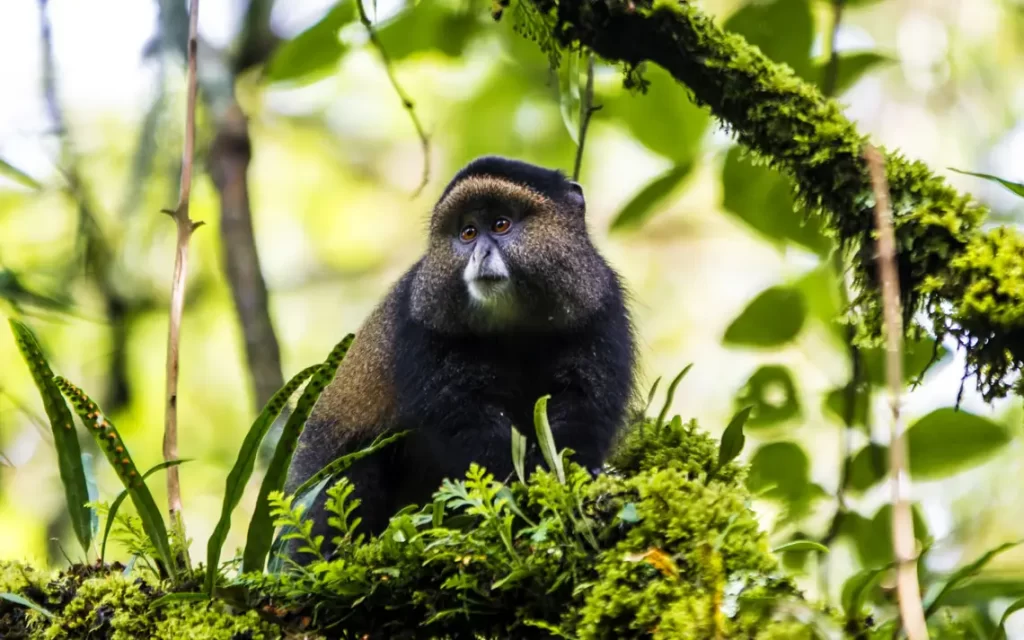
Beyond gorilla trekking, Mgahinga is one of only two places in Uganda where visitors can track the endangered golden monkey. These striking primates, with their bright golden-orange patches contrasting against black limbs and tails, inhabit the bamboo forests on the volcanic slopes. Golden monkey tracking offers a different but equally captivating experience. These playful and energetic creatures move quickly through the canopy, creating dynamic photographic opportunities and unforgettable memories.
The golden monkeys are endemic to the Albertine Rift and are classified as endangered due to habitat loss. Mgahinga’s population of approximately 3,000-4,000 individuals represents a significant portion of the species’ total numbers. Tracking these charismatic primates provides visitors with a deeper appreciation of the park’s biodiversity beyond its famous gorillas.
Cultural Connections: The Batwa Heritage
Mgahinga Gorilla National Park holds profound cultural significance as the ancestral home of the Batwa people, often called the “keepers of the forest.” The Batwa Cultural Trail offers visitors insight into the traditional forest-dwelling lifestyle of this indigenous community. Former Batwa residents guide visitors through the forest, demonstrating hunting techniques, gathering practices, medicinal plant knowledge, and traditional fire-making methods. This cultural experience adds an important human dimension to safaris to Uganda, connecting wildlife conservation with indigenous heritage and community development.
Planning Your Visit
When organizing Uganda safaris that include Mgahinga, timing matters. The park can be visited year-round, but the dry seasons from June to August and December to February offer easier trekking conditions. However, the term “dry” is relative in this mountainous region, and visitors should always prepare for rain and cool temperatures, especially at higher elevations. Essential items include waterproof clothing, sturdy hiking boots, gloves for gripping vegetation, and layers to accommodate changing temperatures.
Accommodation options near Mgahinga range from budget campsites to luxury lodges, allowing visitors to explore Uganda according to their preferences and budget. The nearby town of Kisoro serves as a gateway to the park and offers additional amenities and services.
Conclusion
Mgahinga Gorilla National Park embodies the extraordinary natural and cultural wealth that makes Uganda a premier African safari destination. Whether you’re tracking mountain gorillas through misty bamboo forests, observing the acrobatic displays of golden monkeys, or learning from Batwa guides about ancient forest traditions, Mgahinga delivers experiences that resonate long after your journey ends. This small but mighty park demonstrates how conservation, community engagement, and sustainable tourism can coexist harmoniously. For adventurers seeking to explore Uganda beyond conventional tourist trails, Mgahinga offers an authentic, intimate, and profoundly moving encounter with some of Africa’s most endangered wildlife in one of its most spectacular settings. The memories forged on these volcanic slopes become treasured stories that inspire conservation awareness and a deeper connection to our planet’s precious wild places. Contact us on +18182906623 or email us on info@cycadssafaris.com
