
How to Plan a Great Migration Safari in Kenya and Tanzania. Planning a migration safari across East Africa is one of those trips that feels bigger than a vacation—it’s an adventure built around timing, logistics, and choosing the right itinerary. If you’re dreaming of dust, drama, and thousands of animals moving in a pattern older than memory, then you’ll want to plan early and think strategically. This guide will walk you through how to organize an unforgettable journey through both Kenya and Tanzania, with practical tips and the key decision points that separate an “awesome trip” from the best safaris in East Africa.
1) Understand the Migration: What You’re Really Chasing
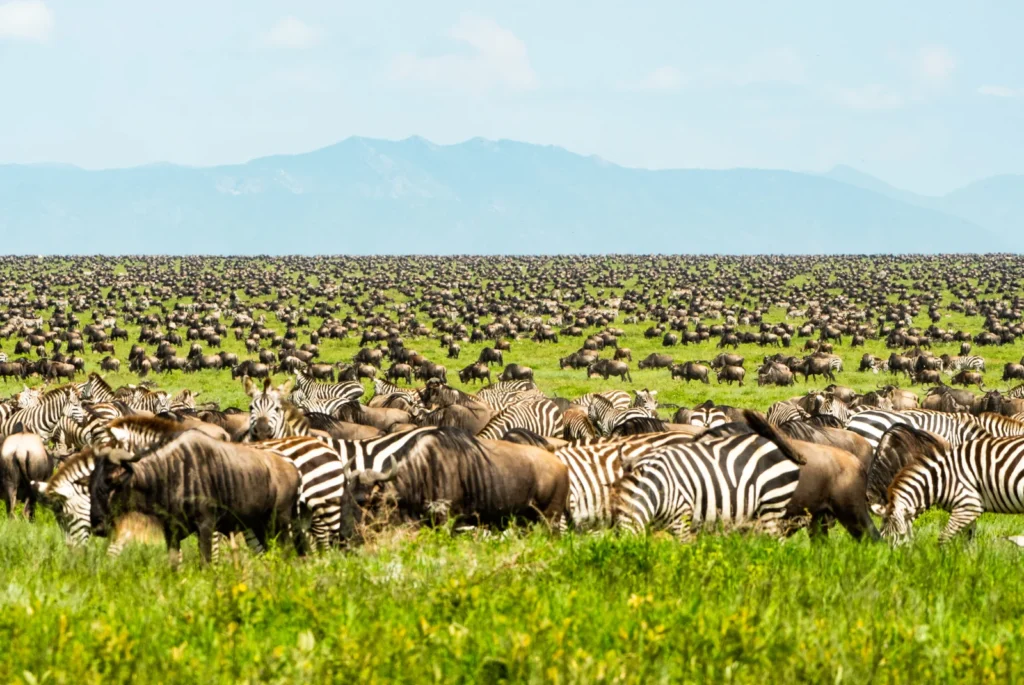
The Great Migration primarily refers to the movement of wildebeest (and their companions like zebra) across the Serengeti-Mara ecosystem. The exact timing changes year to year based on rainfall, but the overall rhythm is predictable: animals move in search of fresh grass and water.
When you plan your safari, your goal is not just to arrive in the region—it’s to arrive where the migration is most likely to be active during your travel window. That’s why many travelers choose a route that covers multiple zones rather than focusing on only one park.
If you’re unsure what season fits best, consider working backward from your travel dates. Your itinerary should be flexible enough to support movement patterns, especially if conditions differ from the previous year.
2) Choose Your Country Focus: Kenya Safaris vs. Tanzania Safaris
One of the most important planning steps is deciding where you want the “headline moments” to happen.
Kenya Safaris
Kenya safaris often center around the Mara region, where migration activity can include dramatic river crossings (depending on season). Kenya can be ideal if you want a classic wilderness feel and high wildlife density, plus the possibility of witnessing intense predator action around the migration.
Tanzania Safaris
Tanzania safaris usually revolve around the Serengeti ecosystem, where the migration cycles through grazing areas and calving or per-crossing zones (depending on the time of year). Tanzania is also famous for landscapes that feel cinematic—wide horizons, golden grass, and riverine scenes that make you feel like you’re inside a wildlife documentary.
Many travelers aim for both—covering Tanzania first and finishing in Kenya (or vice versa). That approach increases your odds of seeing meaningful migration activity during your exact dates.
3) Pick a Route That Increases Your Chances
To plan smart, build a route that follows the migration’s flow rather than expecting it to “appear on schedule.” A well-designed itinerary might include:
- Serengeti areas in Tanzania for migration build-up and grazing activity
- Northern Kenya (Mara area) for river-focused drama and predator action
- Short internal transfers to reduce time wasted and keep energy for game drives
If you want a dynamic pace, you can also layer in mobile camps or strategically timed stops.
4) Consider Kenya Flying Safaris for Maximum Efficiency
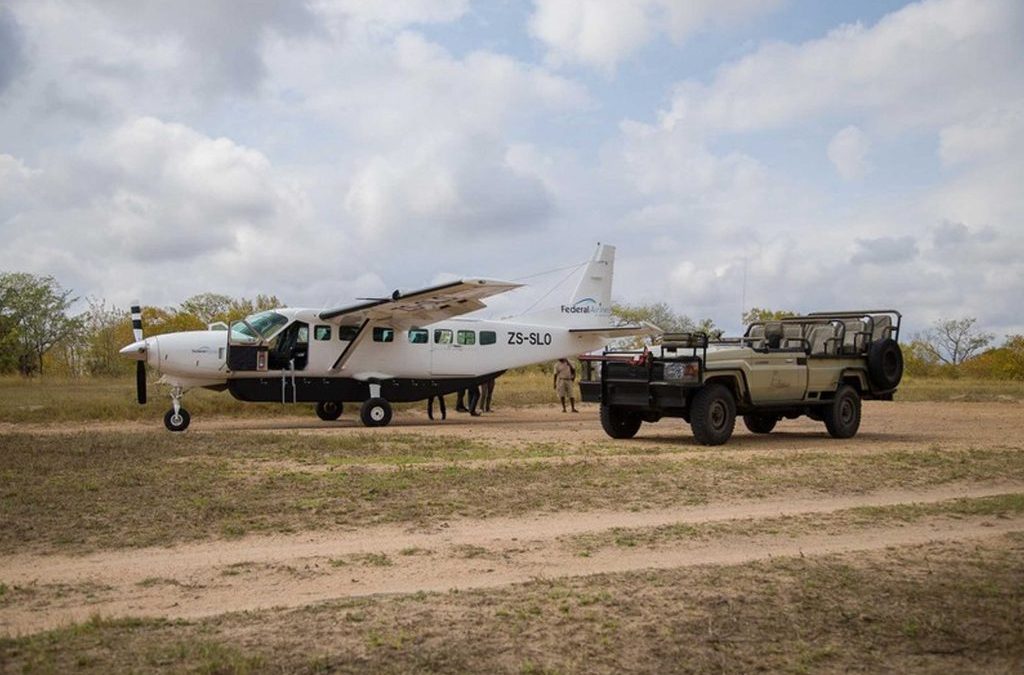
Migration travel often comes down to time. Roads can be slow, and the animals don’t wait for traffic. That’s where Kenya flying safaris can be a game-changer. Flying between key regions can help you:
- Reach remote areas faster
- Spend more hours on game drives rather than transferring
- Adjust your itinerary if sightings suggest the herd is moving differently than expected
If your trip includes multiple parks across different regions, flying can turn an exhausting journey into a smooth safari plan. Just remember to balance convenience with comfort and budget—flight schedules and baggage requirements should be confirmed well in advance.
5) If You Prefer Compact Travel, Look at Short Tanzania Safaris
Not everyone has weeks to plan and travel. If you’re working with limited time, consider short Tanzania safaris. These can still be deeply rewarding when they’re structured around the highest-probability wildlife zones for your dates.
A short safari works best when:
- You commit to a specific region (rather than trying to “see everything”)
- You prioritize prime game-drive hours
- You choose a lodge or camp that puts you close to the action
Even a few days can deliver unforgettable sightings—especially when you match your schedule with the migration’s seasonal movement.
6) Choose the Right Lodges and Camps (It’s More Than Comfort)
When selecting accommodation, think beyond aesthetics. A great camp can influence your migration experience through:
- Location near migration corridors
- Timing of daily drives
- Guide expertise and communication about sightings
- The ability to adapt when herds move
Ask operators how they track migration activity and what their process is for itinerary adjustments. This is especially important in shoulder seasons when rainfall patterns are less predictable.

7) Decide on Your Safari Style: Classic vs. Adventure
Your safari style determines your daily rhythm.
- Classic migration safari: longer stays, fewer moving parts, comfortable drives, and a relaxed pace.
- Adventure migration safari: more travel days, faster transitions, and often a higher reliance on flights or carefully planned logistics.
If you’re targeting the most intense migration moments, the adventure style can make sense. If you’re traveling with family or prefer less movement, classic planning may be more satisfying.
Either way, choose guides who understand migration behavior and predator-prey dynamics. The “best safaris in east Africa” aren’t just about where you go—they’re about how you experience it.
8) Pack for Wildlife Photography and All-Weather Drives
Migration safaris can be hot, cold, rainy, or dusty depending on the time of year and region. Pack with layers in mind. Bring:
- Lightweight layers for daytime and warmer items for early mornings
- Binoculars (or a plan to rent them)
- A camera with a sturdy strap and lens support if you’re filming
- Sunscreen and a hat
- A reusable water bottle
Also, keep your plans flexible—an afternoon storm can change road conditions, but it can also create excellent wildlife movement and dramatic skies.
9) Plan Ahead: Booking, Visas, and Timing
To maximize your chances during migration season, book early—especially if you’re traveling during peak months. Popular routes and camps can sell out quickly.
Confirm:
- Park entry requirements
- Visa and vaccination guidance for your nationality
- Flight connections if you plan Kenya flying safaris
- Transfers between Tanzania and Kenya segments
If your safari operator offers itinerary customization, ask how they structure timing around seasonal migration patterns. A great plan is detailed, responsive, and realistic about probabilities—not just promises.
Conclusion: Your Migration Story with Cycads African Safaris
A migration safari in Kenya and Tanzania is a once-in-a-lifetime experience, but the difference between “amazing” and “truly unforgettable” comes down to smart planning. Choose a route that follows the migration’s rhythm, decide whether you’ll lean into Kenya safaris or Tanzania safaris, and consider options like Kenya flying safaris to save time. If you’re short on days, short Tanzania safaris can still deliver incredible wildlife drama when planned with care. Above all, aim for the best safaris in east Africa by selecting experienced guides, great camp locations, and the right seasonal timing.
When you’re ready to turn your plans into a clear, confident itinerary, consider Cycads African Safaris to help shape the right route, pacing, and experience—so your migration safari becomes a story you’ll talk about for years. Contact us now info@cycadssafaris.com OR USA: +18182906623
