
How to Combine Culture, Wildlife, and Scenery in One East African Trip. Planning an East African adventure can feel like choosing between stunning wildlife and breathtaking landscapes—until you realize the region does both, at world-class levels. The best trips don’t treat culture, scenery, and animals as separate activities; they weave them into one continuous story. From storyteller villages and drumbeat markets to riverside lodges and volcanic views, you can build an itinerary that feels immersive, meaningful, and genuinely unforgettable.
In this guide, you’ll learn how to plan a trip that blends culture, wildlife, and scenery across Uganda, Kenya, and Tanzania—using the best wildlife experiences as the “anchors” of your route. Along the way, we’ll include key elements such as great migration, gorilla trekking, chimpanzee trekking, plus a balanced mix of Uganda safaris, Kenya safaris, and Tanzania safaris—all aimed at delivering the best east African safari experience.
Start With a Story: Build Your Route Around Wildlife “Hubs”
A successful East African trip usually works best when you pick a few wildlife experiences that dictate your geography. Rather than hopping randomly between countries, plan a clear route:
- Uganda for primate encounters (gorillas and chimps) and lush, green scenery.
- Kenya for wide-open savannas and the drama of migration-style landscapes.
- Tanzania for iconic national parks, crater scenery, and an expanded sense of variety.
This approach lets you travel efficiently while still experiencing the unique flavor of each country—so your trip becomes more than a checklist.
Uganda: Where Culture Meets Green Landscapes and Primate Magic
Uganda is often the emotional heart of East African journeys. It’s not just about wildlife; it’s also about feeling the land—its hills, forests, and community life. The scenery alone creates an atmosphere of depth and discovery, from misty treeline to viewpoints over distant valleys.
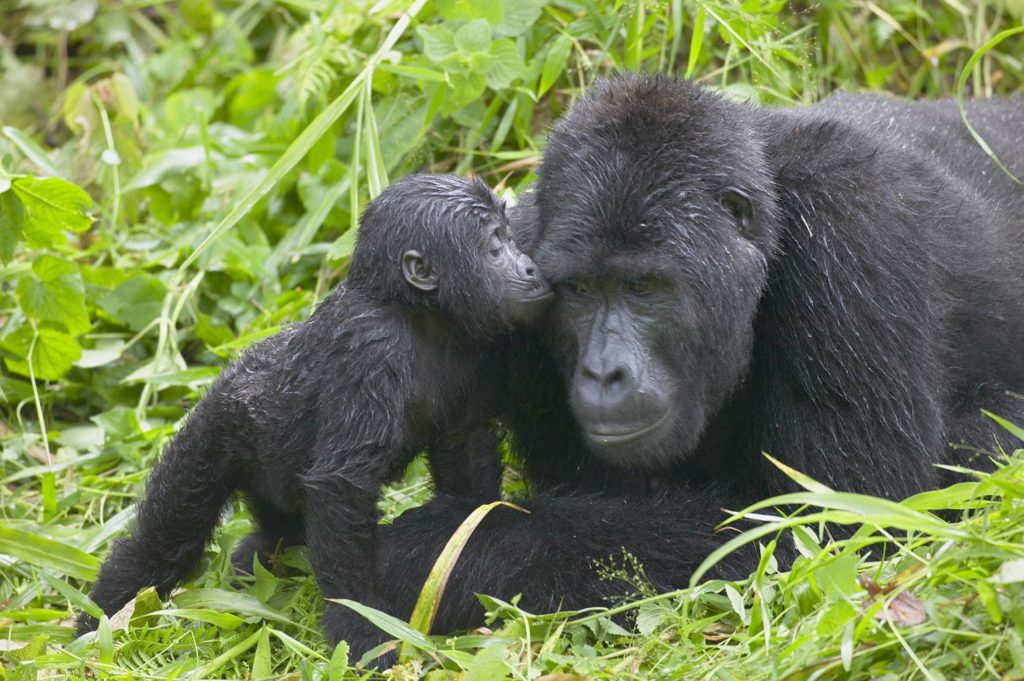
Gorilla Trekking: An Intimate Wildlife Experience
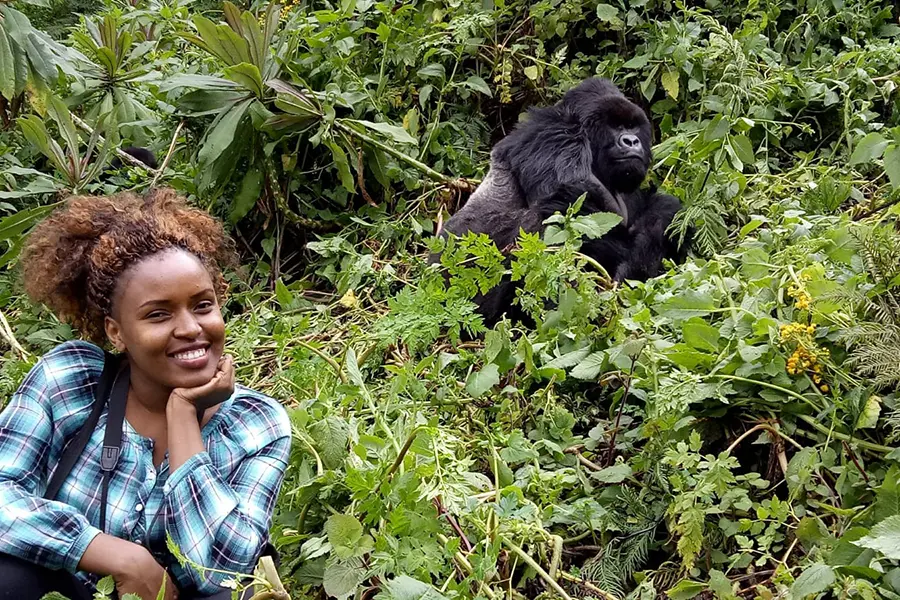
If you want a wildlife moment that feels personal, plan your gorilla trekking day early. Gorilla trekking is not a “drive-by” experience—it requires patience, quiet, and respect. You’ll be guided through forest paths, listening for signs of movement until you finally encounter a troop in their natural habitat.
Culture tip: Pair your gorilla trek with a village visit (where available and community-led). Many travelers find that after spending time in the forest, meeting people who live alongside similar landscapes makes the whole experience click. You’ll learn about traditions, livelihoods, and local beliefs that connect communities to the natural world.
Chimpanzee Trekking: Energy, Movement, and Surprise
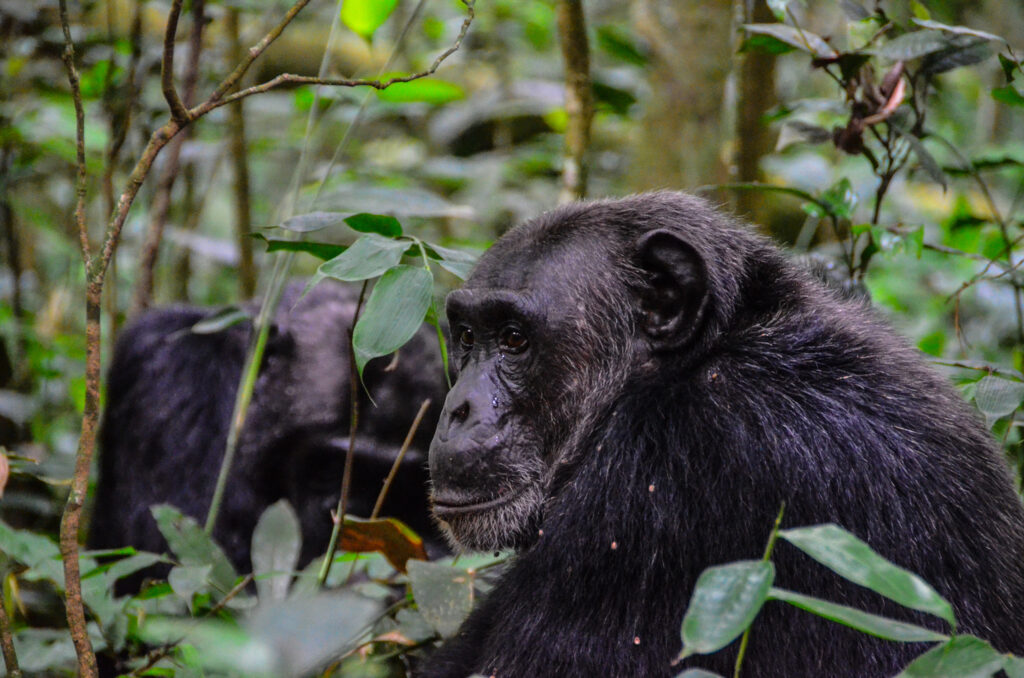
Next, add chimpanzee trekking for a totally different primate experience. Chimpanzee sightings can feel energetic and spontaneous—one moment you’re listening, and the next you’re watching a troop interact in the trees. The forest atmosphere is vivid, and the encounter often feels like a window into wild intelligence.
Scenery note: Uganda’s forests are lush and textured. Between treks, take in scenic stops—waterfalls, forest edges, and viewpoints—to keep the itinerary balanced rather than purely activity-driven.
Uganda Safaris as the Cultural Foundation
When you design your Uganda safaris around primates plus community moments, Uganda becomes your base for “slow adventure”—the kind where wildlife and culture influence each other. Your days feel grounded, and your memories feel layered.
Kenya: Savannah Drama and the Build-Up to the Great Migration
Kenya is where the East African safari imagination comes to life. The landscapes are classic: rolling grasslands, river systems, and skies wide enough to make you feel small—in the best possible way.
Tanzania vs. Kenya vs. Uganda—How Kenya Fits
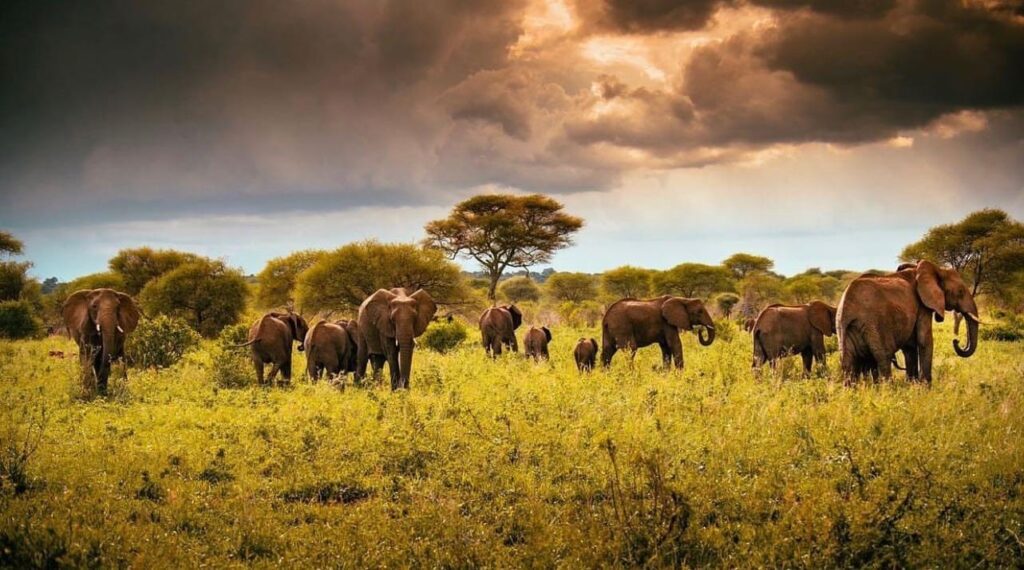
Kenya can serve as your “open world” chapter. After Uganda’s forest intensity, Kenya’s Savannah feels like a release: more space, bigger horizons, and dramatic wildlife movement.
Great Migration (Best Seasons and Mindset)
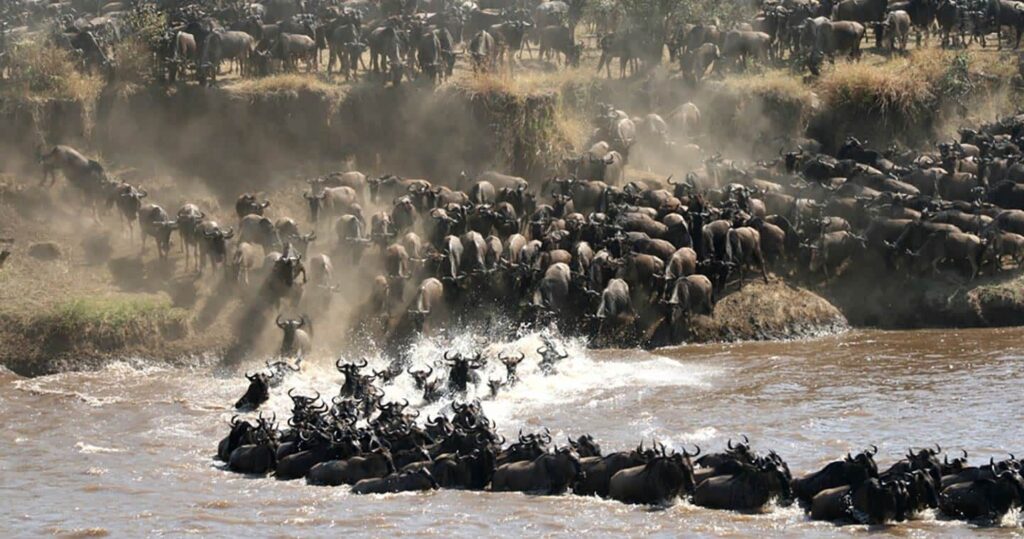
Even if you don’t travel exactly at the peak timing, you can still plan for the thrill of great migration conditions depending on where you go and when you travel. The migration isn’t just a single event—it’s a pattern that creates constant tension and momentum across the ecosystem.
To truly enjoy it:
- Focus on flexible game-drive schedules during key migration windows.
- Ask about migration movement patterns before locking in exact timings.
- Keep a “scene-by-scene” mindset—one day might feel like calm grazing, and the next feels like sudden action.
Kenya Safaris: Culture in the Wind and Wildlife on the Plains
For Kenya safaris, incorporate cultural stops that complement the landscape rather than interrupt it. Consider experiences such as:
- Guided community tourism programs
- Craft markets and local storytelling sessions
- Scenic travel days that still feel meaningful (for example, stops at cultural viewpoints)
This is how culture becomes part of the safari narrative instead of a separate add-on.
Tanzania: Iconic Parks, Scenic Variety, and a Full Safari Ending
If Kenya sets the stage, Tanzania safaris often deliver the finale—where scenery becomes theatrical and wildlife encounters feel endless. Tanzania’s parks offer a sense of scale that’s hard to match anywhere else.
A Scenic-First Approach
Tanzania is ideal for travelers who want wildlife but also want to feel the geography. Think crater views, vast plains, and river corridors that change the color and mood of the landscape throughout the day.
Great Migration Energy Expanded
When your itinerary includes Tanzania after Kenya, you’ll often get a different perspective on great migration dynamics. Instead of seeing it only as a headline, you begin to understand it as an ecosystem rhythm. You notice how predators position themselves, how prey moves in response to water and grass, and how the landscape shapes behavior.
Tanzania Safaris as the Variety Chapter
To keep your trip fresh, balance:
- Long drives for big-picture wildlife
- Short scenic excursions where available
- Field guides who help you interpret the land (so you learn as much as you watch)
In Tanzania, learning transforms the safari from “I saw animals” into “I understood why they were there.”
Turning Sightings Into Stories: Practical Ways to Combine It All
To truly combine culture, wildlife, and scenery, design each day with a purpose:
- Anchor activities: Choose your key wildlife days—gorilla trekking, chimpanzee trekking, and migration-focused drives.
- Add cultural context: Include at least one community experience each country so you see people living alongside these ecosystems.
- Protect your scenic time: Build in at least half-days or buffer moments where you’re not rushing between checklists.
- Use guides strategically: A great guide connects what you see (animals and plants) to what you learn (behavior, geography, and conservation).
This is what makes the difference between a “tour” and a true journey.
Choosing the Right Trip Style: What “Best East African Safari” Really Means
The best east African safari isn’t only about chasing the most famous animals—it’s about how smoothly your itinerary flows, how respectfully it handles wildlife encounters, and how deeply it connects you to the region’s people and landscapes.
Look for:
- Responsible trek practices and knowledgeable trackers
- Balanced drive schedules (not too rushed)
- Thoughtful pacing between primate forests and open plains
- Clear logistics across borders
- Cultural activities led with community benefit in mind
When these elements come together, your trip feels cohesive, not fragmented.
Conclusion: The Next Step After Your Safari Dream—Cycads African Safaris
A trip that combines culture, wildlife, and scenery doesn’t just look good on paper—it feels meaningful in real life. Uganda’s primate treks, Kenya’s Savannah energy, and Tanzania’s scenic grandeur all connect into one unforgettable story about land, survival, and human connection.
If you’re ready to turn that story into a real itinerary—one with great migration moments, unforgettable gorilla trekking and chimpanzee trekking, and a well-crafted balance of Uganda safaris, Kenya safaris, and Tanzania safaris—consider working with a team that understands the details. A guided journey can help you plan timing, choose the right locations, and ensure your experience is as respectful as it is thrilling.
And when you’re ready to begin dreaming bigger, Cycads African Safaris is a strong choice for travelers seeking a well-designed, destination-rich East African adventure—where wildlife is extraordinary, scenery is breathtaking, and culture is more than a stop on the way. Contact us on info@cycadssafaris.com OR USA: +18182906623
