
Gishwati-Mukura National Park: Rwanda’s Emerging Wilderness Gem. Nestled in the verdant hills of Rwanda’s western region, Gishwati-Mukura National Park stands as a testament to successful conservation and ecological restoration. As Rwanda’s fourth and newest national park, officially gazetted in 2015, this remarkable protected area combines two separate forest fragments—Gishwati and Mukura—into a single conservation unit spanning approximately 34 square kilometers. For travelers seeking authentic Rwanda safaris beyond the well-trodden gorilla trekking routes, Gishwati-Mukura offers an intimate encounter with one of Central Africa’s most inspiring conservation success stories.
A Forest Reborn
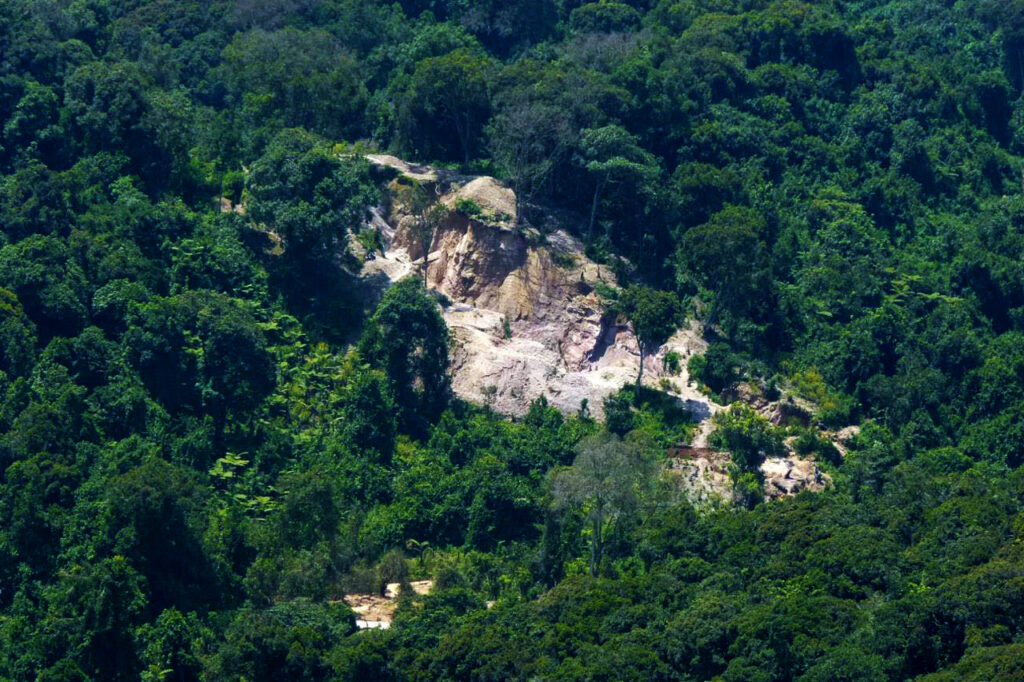
The history of Gishwati-Mukura National Park is one of dramatic loss followed by remarkable recovery. During the 1990s, both Gishwati and Mukura forests suffered extensive deforestation, with Gishwati forest reduced to a mere fraction of its original size—from approximately 250 square kilometers to just 6 square kilometers. The causes were manifold: agricultural expansion, illegal mining, and the resettlement of refugees following Rwanda’s 1994 genocide placed enormous pressure on these ancient montane forests.
However, the Rwandan government’s commitment to environmental conservation sparked a transformation. Through intensive reforestation efforts, community engagement, and strict protection measures, the forests have been gradually recovering. Today, visitors embarking on Rwanda safaris to Gishwati-Mukura witness this regeneration firsthand, walking through forests where saplings planted just years ago now form dense canopies, creating critical habitat for endangered primates and countless other species.
Biodiversity and Wildlife
Despite its relatively small size, Gishwati-Mukura National Park harbors impressive biological diversity. The park is perhaps most celebrated for its primate populations, including habituated groups of chimpanzees that offer visitors rare opportunities for close encounters with our closest living relatives. These intelligent great apes swing through the regenerating forest canopy, their calls echoing across the valleys—a sound that has returned to these hills after years of silence.
The park is also home to the stunning golden monkeys, those charismatic primates with their distinctive golden-orange fur that seems to glow in the dappled forest light. L’Hoest’s monkeys, blue monkeys, and black-and-white colobus monkeys add to the primate diversity, making Gishwati-Mukura an exceptional destination for primate enthusiasts on Rwanda safaris.
Beyond primates, the park supports a rich array of bird species—over 230 species have been recorded, including several Albertine Rift endemics such as the Rwenzori turaco, strange weaver, and red-throated alethe. Birdwatchers will find the forest alive with avian activity, particularly during the early morning hours when bird calls create a symphony of sound.
Trekking and Tourism Experiences
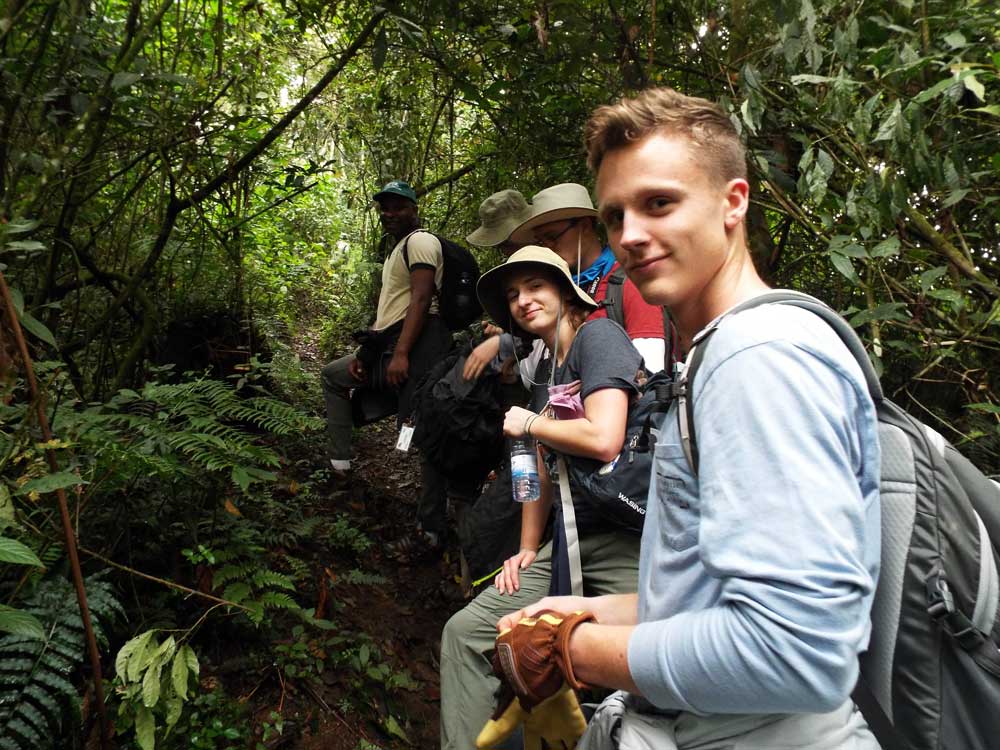
Rwanda safaris to Gishwati-Mukura offer several distinct experiences. Chimpanzee trekking is the park’s flagship activity, with habituated chimp groups allowing visitors to observe their complex social behaviors, feeding habits, and playful interactions. Unlike the more crowded gorilla trekking experiences in Volcanoes National Park, Gishwati-Mukura typically offers a more intimate and less commercialized experience.
Nature walks and hiking trails wind through the forest, offering opportunities to explore the diverse ecosystems ranging from bamboo stands to mixed montane forest. The Congo-Nile Divide Trail, one of Rwanda’s premier long-distance hiking routes, passes near the park, allowing adventurous travelers to incorporate Gishwati-Mukura into multi-day trekking itineraries.
The waterfall trail is particularly spectacular, leading visitors through the forest to stunning cascades where water tumbles over volcanic rock formations. These waterfall hikes showcase the park’s dramatic topography and provide excellent opportunities for photography and peaceful contemplation.
Community Conservation and Sustainable Tourism
What makes Gishwati-Mukura particularly special among Rwanda safaris destinations is the strong emphasis on community involvement. Local communities living adjacent to the park have been integrated into conservation efforts through various initiatives. Revenue-sharing programs ensure that tourism benefits directly support local development projects, including schools, health centers, and infrastructure improvements.
Community-based enterprises, such as cultural village experiences and handicraft cooperatives, allow visitors to engage with local culture while providing sustainable livelihoods. This model demonstrates how conservation and community development can work hand-in-hand, creating incentives for local people to protect rather than exploit forest resources.
Planning Your Visit
Gishwati-Mukura National Park is located in Rwanda’s Western Province, approximately a three-hour drive from Kigali. The park can be visited year-round, though the dry seasons (June to September and December to February) offer the most comfortable trekking conditions. However, the wet seasons bring lush vegetation and excellent birdwatching opportunities.
Accommodation options range from community-run guesthouses to more comfortable lodges in nearby towns. Many Rwanda safaris itineraries now include Gishwati-Mukura as part of multi-park tours, often combined with visits to Nyungwe National Park and Lake Kivu.
Conclusion
Gishwati-Mukura National Park represents the future of African conservation—a future where degraded ecosystems can be restored, where wildlife returns to forests once silent, and where local communities become stewards rather than adversaries of nature. For travelers seeking meaningful Rwanda safaris experiences that combine wildlife encounters with conservation impact, Gishwati-Mukura delivers an unforgettable journey.
At Cycads African Safaris, we recognize that the most rewarding travel experiences are those that contribute to conservation while creating lasting memories. Gishwati-Mukura National Park embodies this philosophy perfectly, offering visitors the chance to witness ecological recovery in action while supporting communities and protecting endangered species. As Rwanda continues to set the standard for sustainable tourism in Africa, Gishwati-Mukura stands as a shining example of what’s possible when vision, commitment, and community come together in service of the natural world.
Whether you’re tracking chimpanzees through regenerating forests, photographing rare birds, or simply absorbing the tranquility of these recovering woodlands, Gishwati-Mukura National Park promises a Rwanda safari experience that is both authentic and inspiring—a true hidden gem waiting to be discovered.
