
Discover Kampala City: The Heart of Uganda. Nestled among rolling hills in the heart of East Africa, Kampala stands as Uganda’s vibrant capital and largest city. This bustling metropolis of over 1.8 million people offers travelers an authentic gateway to explore Uganda’s rich cultural heritage, historical landmarks, and natural beauty. For those embarking on Uganda safaris, Kampala serves as the perfect starting point to experience the best of Uganda before venturing into the country’s renowned national parks and wildlife reserves.
The City of Seven Hills
Kampala’s distinctive geography spans across seven hills, each with its own character and significance. Originally built on Mengo, Rubaga, Namirembe, Lubaga, Nsambya, Kampala, and Nakasero hills, the city has since expanded far beyond these original boundaries. This topography gives the capital its unique skyline and provides visitors with spectacular panoramic views from various vantage points throughout the urban landscape.
Kasubi Tombs: A UNESCO World Heritage Site
No visit to Kampala would be complete without experiencing the Kasubi Tombs, a UNESCO World Heritage Site that serves as the burial grounds for four Kabakas (kings) of Buganda. This sacred site represents the spiritual heart of the Buganda Kingdom and showcases traditional architectural techniques using organic materials like wood, thatch, reed, and wattle. The main building, known as Muzibu Azaala Mpanga, stands as a testament to Buganda’s rich cultural traditions and offers visitors insight into the kingdom’s royal history and customs.
Uganda Museum: Gateway to Cultural Understanding
Founded in 1908, the Uganda Museum stands as the oldest museum in East Africa and provides an excellent introduction to Uganda’s diverse ethnic groups, traditional practices, and archaeological heritage. The museum houses extensive collections of traditional musical instruments, hunting equipment, archaeological findings, and ethnographic materials. For travelers eager to explore Uganda’s cultural tapestry, this institution offers invaluable context before venturing into rural communities and national parks.
Religious and Spiritual Landmarks
Kampala’s skyline is punctuated by impressive religious structures that reflect the city’s diverse spiritual landscape. The Rubaga Cathedral, built in 1914, serves as the headquarters of the Catholic Church in Uganda. Perched on Rubaga Hill, this architectural marvel offers stunning views across the city. Similarly, Namirembe Cathedral, the oldest cathedral in Uganda, represents the Anglican faith and stands as an important historical landmark. The Gaddafi National Mosque, one of Africa’s largest mosques, features a towering minaret that visitors can climb for breathtaking 360-degree views of Kampala and its surroundings.
Kabaka’s Palace and Idi Amin’s Torture Chambers
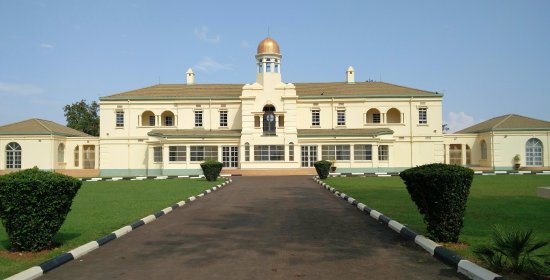
Located on Mengo Hill, the Kabaka’s Palace (Lubiri) serves as the official residence of the King of Buganda. Within its grounds lies a sobering reminder of Uganda’s tumultuous past: Idi Amin’s torture chambers. These underground cells, where countless victims were imprisoned and tortured during Amin’s brutal regime in the 1970s, now serve as a memorial and museum, offering visitors a poignant glimpse into this dark chapter of Ugandan history.
Ndere Cultural Centre
For those seeking to experience Uganda’s living traditions, the Ndere Cultural Centre provides an immersive introduction to the country’s diverse ethnic cultures through music, dance, and drama. The center hosts regular performances featuring traditional dances from various Ugandan tribes, accompanied by authentic instruments and colorful costumes. These vibrant shows offer travelers participating in Uganda safaris an unforgettable cultural experience.
Markets and Local Experiences
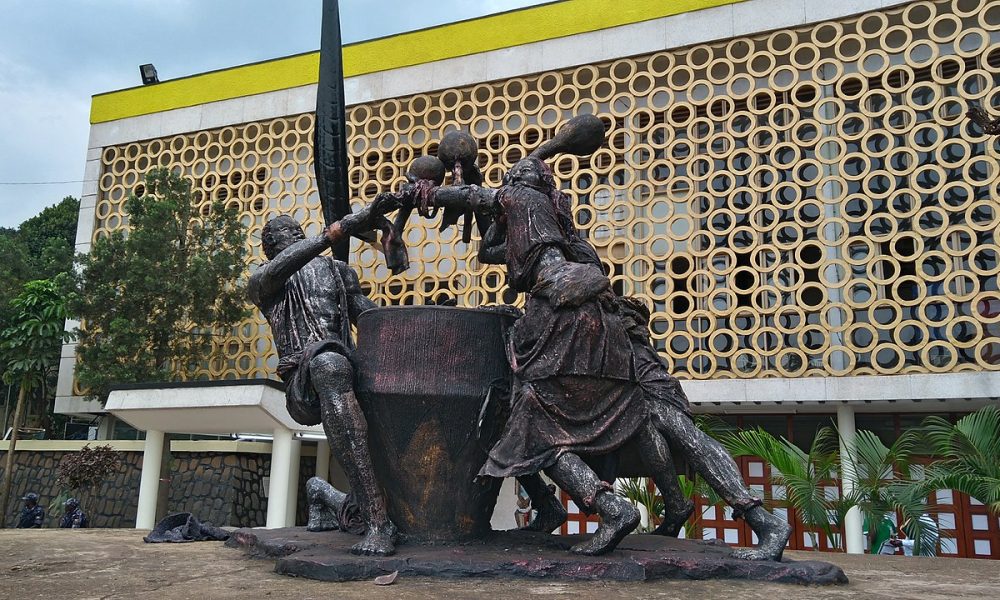
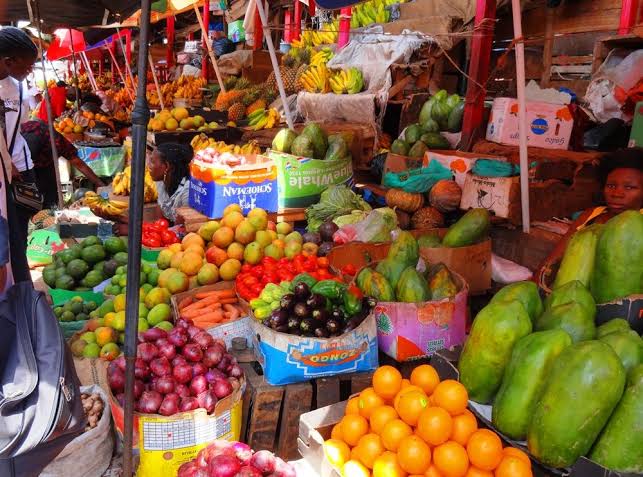
Kampala’s bustling markets pulse with energy and provide authentic glimpses into daily Ugandan life. Owino Market (St. Balikuddembe Market), one of East Africa’s largest open-air markets, offers everything from fresh produce to textiles and handicrafts. The craft markets at the National Theatre and various locations throughout the city showcase traditional Ugandan crafts, including bark cloth, baskets, jewelry, and wood carvings, perfect for those seeking authentic souvenirs.
Natural Escapes Within the City
Despite its urban character, Kampala offers pockets of natural beauty. The Uganda Wildlife Education Centre (formerly Entebbe Zoo), located just outside the city, provides opportunities to see rescued Ugandan wildlife including lions, chimpanzees, and various bird species. The Botanical Gardens in nearby Entebbe, established in 1898, offer peaceful walking trails through indigenous and exotic plant species, with resident monkeys and numerous bird species adding to the experience.
Conclusion
Kampala city represents far more than just a stopover destination for travelers embarking on Uganda safaris. This dynamic capital encapsulates the essence of Uganda’s past, present, and future, offering visitors a multifaceted experience that combines historical depth, cultural richness, and urban energy. From sacred royal tombs and sobering historical sites to vibrant cultural performances and bustling markets, Kampala provides the perfect introduction to explore Uganda’s remarkable diversity.
Whether you’re beginning your journey to witness mountain gorillas in Bwindi, planning to track chimpanzees in Kibale, or preparing to explore the savannahs of Queen Elizabeth National Park, spending time in Kampala enriches your understanding of Ugandan society and culture. The city’s blend of tradition and modernity, spirituality and commerce, history and progress makes it an essential destination for anyone seeking to experience the best of Uganda. As you explore Uganda’s treasures, you’ll discover that Kampala itself is one of the country’s most compelling attractions, deserving of thoughtful exploration and appreciation. Contact us on +18182906623 or by Email info@cycadssafaris.com for a City tour
