
Cultural Tours in Rwanda: Beyond Wildlife Safaris. While Rwanda safaris are internationally renowned for mountain gorilla trekking and wildlife encounters, the country’s rich cultural heritage offers equally compelling experiences. The best Rwanda safaris now incorporate cultural immersion, allowing visitors to discover the resilience, traditions, and warmth of Rwandan people. These East Africa tours reveal a nation that has transformed tragedy into triumph, preserving ancient customs while embracing modernity.
The Rwandan People and Their Heritage
Rwanda’s population primarily consists of three groups who share a common language (Kinyarwanda), culture, and history: the Hutu (approximately 84%), Tutsi (15%), and Twa (1%). Unlike many African nations with diverse ethnic groups, Rwandans have historically shared cultural practices, making the country’s cultural identity uniquely cohesive. Today’s Rwanda emphasizes national unity over ethnic divisions, creating a harmonious society that welcomes visitors with genuine hospitality.
Iby’iwacu Cultural Village
Located near Volcanoes National Park, the Iby’iwacu Cultural Village represents one of the highlights of cultural tours during African safaris in Rwanda. This community-based tourism initiative was established by reformed poachers who now earn livelihoods through cultural preservation rather than hunting. Visitors experience authentic Rwandan village life, including:
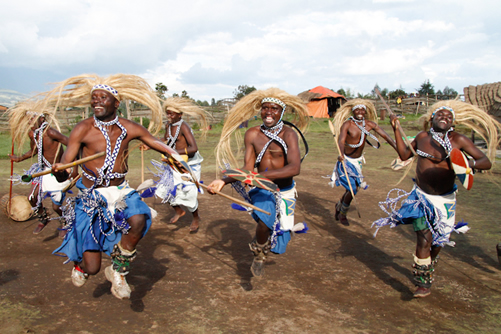
Traditional homestead tours showcasing how families live in beehive-shaped houses made from natural materials. Local guides, dressed in traditional attire, demonstrate daily activities like banana beer brewing, traditional medicine preparation, and cattle keeping. The Intore dance performances—featuring dramatic movements, rhythmic drumming, and warriors’ traditional costumes—captivate audiences with their energy and cultural significance.
Visitors can participate in archery lessons using traditional bows and arrows, try their hand at grinding sorghum using stones, and learn about the revered Inyambo cattle with their magnificent long horns. The village also offers insights into the role of traditional healers and the cultural significance of various rituals.
Kigali Genocide Memorial
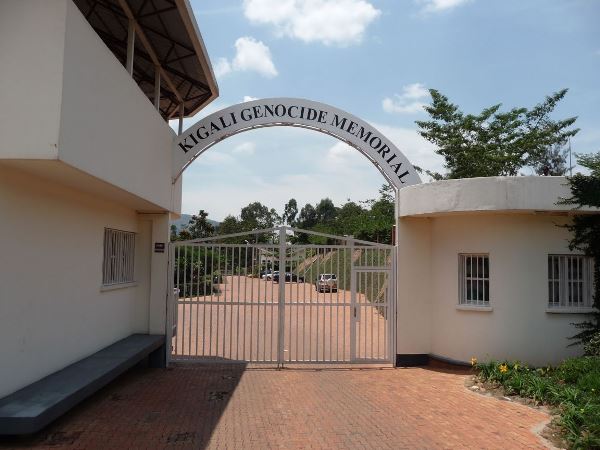
No cultural tour of Rwanda is complete without visiting the Kigali Genocide Memorial, which honors the victims of the 1994 genocide against the Tutsi. This sobering but essential experience provides context for understanding modern Rwanda’s remarkable journey toward reconciliation and unity. The memorial features exhibitions documenting the genocide, survivors’ testimonies, and children’s rooms that personalize the tragedy. Visitors leave with profound respect for Rwanda’s resilience and commitment to “Never Again.”
King’s Palace Museum in Nyanza
The reconstructed traditional royal palace in Nyanza offers insights into pre-colonial Rwandan monarchy. The best Rwanda safaris include this destination to understand the sophisticated governance systems that existed before European colonization. The palace features a beautifully crafted traditional structure alongside the modern palace built in the 1930s for King Mutara III Rudahigwa.
The highlight is the Inyambo cattle sanctuary, where visitors observe the sacred long-horned cattle that were central to royal ceremonies. These magnificent animals, adorned with traditional decorations, represent Rwanda’s pastoral heritage. Guides explain the cultural significance of cattle in Rwandan society and demonstrate traditional songs sung to the cattle.
Ethnographic Museum in Huye
Located in southern Rwanda, the Ethnographic Museum ranks among Africa’s finest cultural institutions. Originally a gift from Belgium’s King Baudouin, the museum now houses comprehensive collections showcasing Rwandan material culture. Exhibits include traditional tools, pottery, weapons, musical instruments, and artifacts documenting daily life across different historical periods.
The museum’s displays explain traditional crafts including basket weaving—Rwanda produces some of Africa’s finest woven baskets using banana fibers and natural dyes. Visitors learn about traditional governance structures, marriage customs, and the evolution of Rwandan society from pre-colonial times through independence to the present.
Traditional Craft Centers and Cooperatives
East Africa tours focusing on cultural experiences often include visits to craft cooperatives, particularly those empowering women. The Nyamirambo Women’s Center in Kigali offers walking tours through one of the capital’s most vibrant neighborhoods, visiting tailors, hairdressers, and local markets. Women guides share personal stories while visitors learn about contemporary urban Rwandan life.
Basket weaving cooperatives throughout the country welcome visitors to observe artisans creating the iconic Agaseke peace baskets. These beautiful, tightly woven baskets traditionally served as wedding gifts and now represent Rwanda’s craft excellence globally. Many cooperatives were established to support genocide survivors and vulnerable women, making purchases directly support community development.
Traditional Music and Dance
Rwanda’s artistic heritage comes alive through traditional performances. The Intore dance, originally performed for kings, combines ballet-like movements with warrior traditions. Male dancers wear grass wigs and carry spears, while female dancers demonstrate graceful movements celebrating beauty and femininity. Drumming ensembles provide hypnotic rhythms using traditional instruments.
Many lodges offering African safaris in Rwanda arrange evening performances, but visiting the National Museum or cultural centers provides more authentic contexts for understanding these art forms’ cultural significance.
Community Visits and Umuganda
Some Rwanda safaris incorporate visits to rural communities where visitors participate in daily activities like farming, cooking traditional meals, or attending local markets. The uniquely Rwandan tradition of Umuganda—mandatory community service held on the last Saturday of each month—demonstrates the collective spirit driving national development. While tourists cannot participate, understanding this practice illuminates Rwanda’s community-focused values.
Conclusion
Cultural tours during the best Rwanda safaris offer profound insights into a nation that has risen from tragedy to become one of Africa’s most progressive countries. These experiences complement wildlife encounters, creating holistic East Africa tours that engage both heart and mind. Rwanda’s cultural heritage, resilient spirit, and warm hospitality ensure that visitors leave with not just photographs, but meaningful connections and lasting impressions of this remarkable land of a thousand hills give us a call on +18182906623 or by emailing us on info@cycadssafaris.com
