
Chimpanzee Habituation in Kibale National Park: A Deeper Kind of Uganda Safari Experience. If you’re looking for an unforgettable wildlife encounter in Uganda, few experiences are as fascinating—and as emotionally rewarding—as chimpanzee habituation in Kibale National Park. While many visitors come for chimpanzee trekking, habituation takes you one step closer to understanding chimpanzees not just as animals you spot, but as individuals in an environment that feels real, living, and surprisingly intimate.
Kibale is often described as the “Primates Capital of East Africa,” and that reputation is well earned. But what makes chimpanzee habituation special is the level of time, patience, and conservation-minded engagement involved. Rather than simply entering the forest to find chimpanzees quickly, you participate in a process that gradually allows chimpanzees to become comfortable with human presence—so future generations can enjoy similar encounters.
For travelers planning Uganda safaris, this is the kind of activity that turns a great trip into a life-changing memory. Below is a guide to what chimpanzee habituation is like, why it matters, and how it fits into an overall safari itinerary.
What Is Chimpanzee Habituation in Kibale?
Chimpanzee habituation is a structured program designed to reduce fear and avoidance between chimpanzees and humans. Chimpanzees are naturally cautious; they learn to associate people with disturbances. Habituation gradually changes that relationship over time.
During habituation sessions, trained guides and trackers work with a chosen group of chimpanzees. Visitors join the process under strict rules—moving quietly, staying patient, and maintaining respectful distance. Over time, the chimpanzees become accustomed to humans, allowing deeper viewing opportunities and calmer behavior.
This means that chimpanzee habituation is different from traditional chimpanzee trekking:
- Chimpanzee trekking is usually about locating a group and observing them once they’re found.
- Chimpanzee habituation is about observing chimpanzees as they are still learning to tolerate human presence.
The result is a unique blend of adventure and realism. You’re not just “watching chimpanzees”—you’re witnessing an ongoing learning process in the wild.
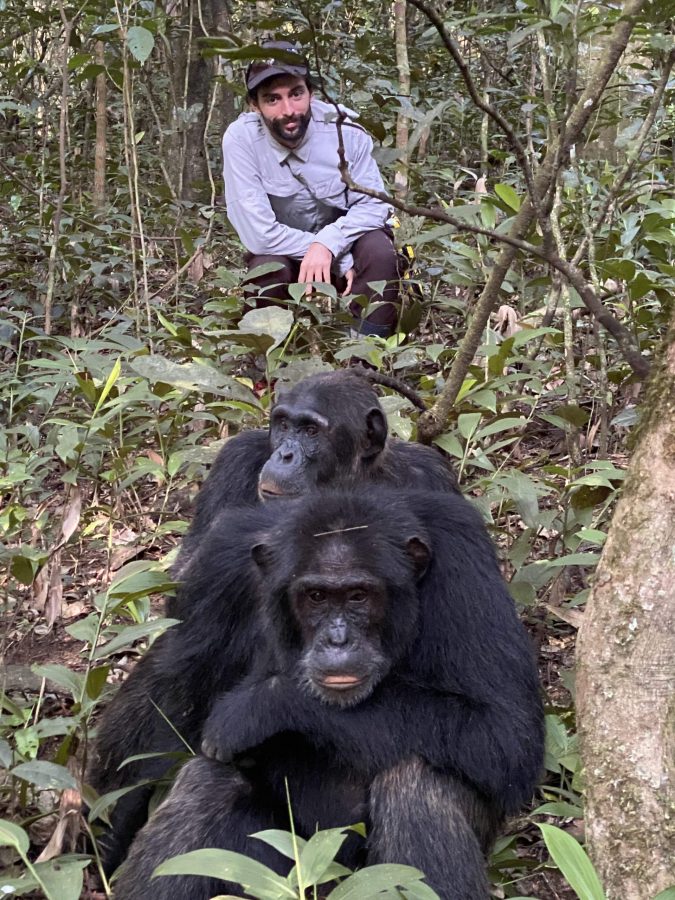
How Chimpanzee Habituation Feels Compared to Trekking
Even if you’ve done chimpanzee trekking and habituation experiences elsewhere (or you’ve seen plenty of documentary footage), Kibale’s habituation process is distinct because it often involves more time in the forest and a more gradual, careful approach.
In trekking, the moment you find the chimpanzees, everything happens quickly—your adrenaline kicks in, you follow their movements, and your time window is limited. Habituation can feel more like a calm journey with moments of excitement. You may spend hours tracking signs, listening for movement, and waiting for the group to emerge.
When the chimpanzees do appear, you may observe behaviors that feel more natural and less “performed,” because the chimps are becoming accustomed rather than reacting to a sudden encounter. Some groups may remain relaxed and continue foraging, while others may still show caution at the start of the session.
Why Kibale Is the Perfect Place for Habituation
Kibale National Park is especially well suited for primate-focused experiences because it offers a dense, bio-diverse forest environment. The area supports chimpanzees, as well as other primates like red colobus, black-and-white colobus, and vervet monkeys.
The forest’s structure also helps shape the habituation experience. Chimps move through canopy and undergrowth in ways that reveal their personality—how they feed, communicate, and interact socially. Each habituation group can display different temperaments, making every session distinct.
For travelers comparing Uganda safaris, Kibale stands out because it combines rain forest drama with a high likelihood of memorable primate encounters.
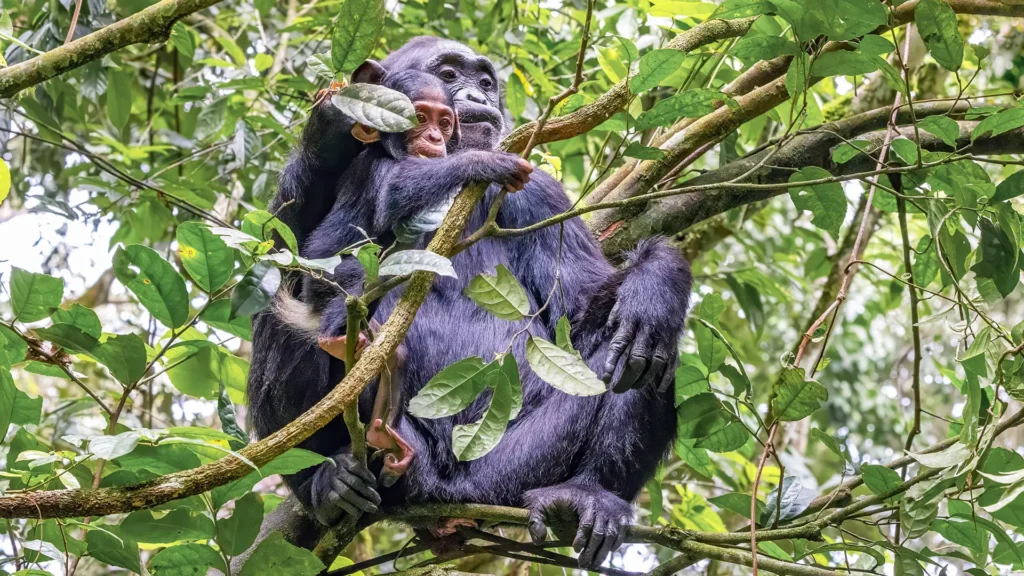
What to Expect on Your Habituation Day
A habituation day is an early-start adventure. Here’s what most visitors can expect:
- Briefing and rules
Guides emphasize safety and respectful behavior. You’ll likely be reminded to move quietly, follow tracker instructions, and avoid sudden movements. - Forest tracking
You’ll hike with trackers who monitor signs such as nests, calls, feeding remnants, and movement patterns. This is where the experience becomes an adventure—because you’re learning how to read the forest. - Patience and waiting
When chimpanzees are located, you may wait for them to come closer or settle. This waiting time can feel both tense and thrilling, because the forest can shift quickly. - Observation
Once the chimpanzees are visible, your job is to observe without disrupting. You may notice group dynamics—mothers with young ones, playful interactions, grooming, and occasional displays. - Time limits
Even though habituation can be longer than standard trekking, it still follows a set schedule. Your guides will manage the timing to keep the chimps undisturbed.
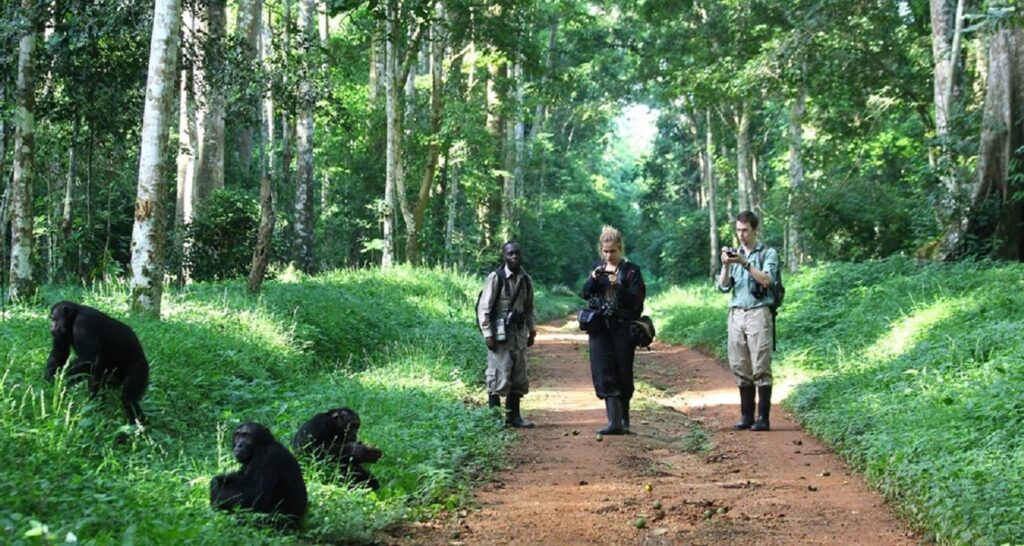
Preparation Tips for Chimps Habituation
To get the most from chimpanzee habituation, plan ahead:
- Wear long sleeves and long pants (forest scratches are common).
- Bring sturdy shoes with good grip—paths can be muddy.
- Use a light rain jacket if you’re visiting during wetter months.
- Bring a small daypack with essentials like water, snacks, and a camera.
- Avoid strong perfumes or loud clothing, since habituation is sensitive to scent and behavior.
- Be ready for slow walking through forest trails—this isn’t a “race to see chimps” activity.
Most importantly, bring a calm mindset. Habituation rewards patience. The quieter and more respectful you are, the better the experience tends to feel—for you and for the chimpanzees.
Conservation and Ethical Value
One of the most meaningful reasons to choose habituation is its conservation purpose. Habituation programs encourage careful human-wildlife interaction and support wildlife monitoring systems that protect chimpanzees and their habitat.
In other words, when you join chimpanzee trekking and habituation sessions, you’re participating in a model where tourism contributes to long-term protection rather than short-term disruption.
Conclusion: Make Your Kibale Experience Count with Cycads African Safaris
Chimpanzee habituation in Kibale National Park is a powerful reminder that wildlife encounters can be more than “sightings”—they can be shared moments shaped by patience, respect, and conservation. If you want an experience that goes beyond the usual Uganda safaris checklist, habituation offers something rare: the feeling that you’re watching chimpanzees become more comfortable with the world humans inhabit, even while they remain fully wild.
And if you want to ensure your trip is well planned—balanced with other primate adventures, forest activities, and comfortable logistics—consider booking through Cycads African Safaris. With the right itinerary, you can pair chimpanzee encounters with the rest of Uganda’s wonders and create a safari that feels personal, smooth, and deeply memorable. Contact us on USA: +18182906623 OR info@cycadssafaris.com
