
Ebola Disease: What Tourists Need to Know Before Coming to Uganda. Planning a safari in Uganda is exciting—think Uganda safaris, gorilla trekking, chimpanzee trekking, and unforgettable wildlife viewing in lush national parks. But if you’ve heard health alerts about Ebola in the news, it’s natural to wonder: “Should I be worried?” This guide will explain what Ebola is, how it spreads, and what a tourist should know before traveling to Uganda.
What is Ebola?
Ebola is a serious viral disease caused by the Ebola virus. The disease can be severe, and in past outbreaks it has led to high fatality rates. Ebola is not “airborne like a cold,” and it generally does not spread easily through ordinary contact. Instead, it spreads through contact with body fluids from a person or animal that has Ebola symptoms.
Ebola outbreaks have happened mostly in parts of Central and West Africa, and public health authorities respond quickly when cases are identified. For travelers, the most important thing is not panic—it’s understanding how health measures work and staying informed.
How Ebola spreads (and how it doesn’t)
Ebola transmission usually occurs when a person has direct contact with infected body fluids such as blood, vomit, diarrhea, or other secretions. This can happen through:
- Caring for someone who is sick with Ebola
- Having contact with items contaminated with infected fluids (such as certain medical equipment)
- Handling infected bodies during burial practices
- Direct contact with infected bats or wild animals in regions where outbreaks occur
How Ebola does NOT typically spread:
- Through casual conversation, being in the same vehicle, or sharing a campsite
- Through mosquito bites
- Through food that is properly prepared and handled
- Through the air like common respiratory viruses
This distinction matters for tourists because Uganda safari activities—like guided walks, park visits, and group tours—are not the type of close, fluid-contact environments where Ebola normally spreads.
Symptoms: knowing what to watch for
Early Ebola symptoms can resemble other illnesses, which is why medical evaluation is important if someone becomes sick after potential exposure. Common symptoms include:
- Sudden fever
- Severe weakness or fatigue
- Muscle pain
- Headache and sore throat
- Vomiting and diarrhea
- Unexplained bleeding in advanced cases
If you feel unwell while traveling—especially with fever and gastrointestinal symptoms—seek medical help promptly. Many safari lodges and tour operators know local health protocols and can help you access the right services.
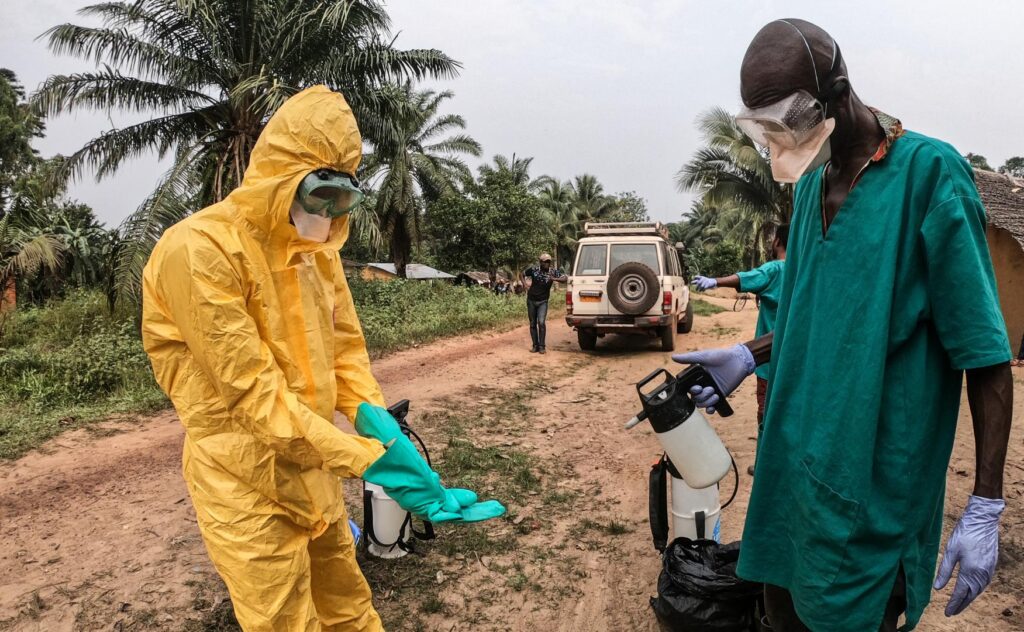
Is Ebola a risk for tourists in Uganda?
The question “Is Ebola in Uganda right now?” depends on the current outbreak situation and where transmission is occurring. Because outbreak status can change, the key advice is to check official travel guidance close to your departure date and to follow the instructions provided by health authorities.
In general, Uganda’s tourism industry continues operating under regular health and safety oversight. Still, Ebola preparedness is taken seriously, especially in regions where outbreaks have historically been a concern. Uganda’s health system and public health teams coordinate surveillance and response measures, and travelers can benefit from that infrastructure.
Practical takeaway: Your personal risk is usually low when traveling normally, but it’s not “zero,” and the best response is to travel responsibly, monitor health, and follow guidance.
What a tourist should do before traveling
Before you go, take a few steps that are simple but powerful:
- Check official sources
Look at travel advisories from reliable health organizations and government agencies. Do this shortly before departure (for example, within the week before you fly), because situations can shift. - Talk to a healthcare professional
If you have underlying conditions or are traveling with children or older adults, ask a clinician what precautions make sense for you. Even when Ebola risk is low, standard travel health advice still matters. - Plan for medical care
Know where medical services are near your safari area. Many tour operators can recommend clinics or hospitals in major towns. - Pack a basic health kit
Include fever-reducing medication (if appropriate for you), oral re hydration salts, hand sanitizer, and any prescription medicines you need. - Follow good hygiene habits everywhere
Wash hands regularly, use sanitizer when needed, and avoid contact with anyone who is visibly ill.
Health basics while you’re on Uganda safaris
Uganda safari itineraries are built around daily schedules, guides, and park rules. Ebola-related precautions are mostly about general hygiene and quick action if you become ill.
Here are sensible measures that also support your well being:
- Wash or sanitize hands before eating and after using restrooms.
- Use bottled or properly treated water when needed.
- Eat food that is prepared hygienically and served hot when possible.
- Stay alert to symptoms—especially fever—throughout your trip.
- Avoid unnecessary contact with sick individuals.
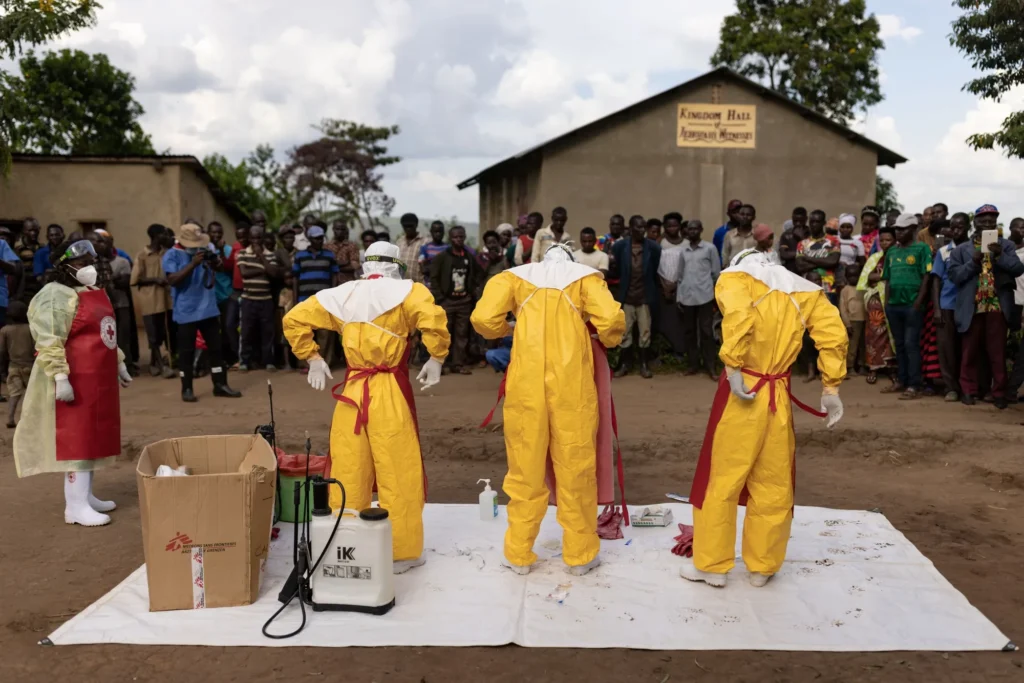
If you are going on gorilla trekking or chimpanzee trekking, your guide and park staff will already enforce guidelines designed to protect both visitors and the wildlife. These typically include strict hygiene and safe distancing behaviors. While Ebola is not the only reason for these rules, the same discipline helps reduce the risk of many infections.
Special focus: gorilla trekking and chimpanzee trekking
Uganda’s primate experiences—gorilla trekking and chimpanzee trekking—are among the most meaningful travel moments you can have. They are also closely managed for safety and conservation.
Because these treks involve being outdoors and near wildlife, always follow local instructions, including:
- Keep distance as required by rangers and guides
- Minimize direct contact with animals or their habitat
- Follow sanitation rules provided before entering trekking areas
If you ever feel feverish or unwell before a trek, consider delaying and speaking with a medical professional and your tour operator—trust your instincts and don’t “push through” illness.
Wildlife viewing and general safari safety
In addition to trekking, Uganda offers top-tier wildlife viewing experiences. During drives and park walks:
- Keep to your itinerary and avoid wandering off alone
- Drink plenty of safe fluids, especially in warm conditions
- Use insect protection for other common travel illnesses (even though mosquitoes don’t spread Ebola, they can spread other diseases)
Your safety on safari is about awareness and good practices. Ebola precautions are an extension of that mindset: hygiene, avoiding close contact with sick people, and seeking help quickly if symptoms appear.

If you feel sick during your trip
If you develop fever, vomiting, diarrhea, or feel unusually weak:
- Stop activities and inform your guide immediately
- Seek medical care as soon as possible
- Avoid contact with others until you’re evaluated
- Follow local healthcare instructions
Prompt attention helps ensure the right diagnosis and care. Many febrile illnesses in travelers are not Ebola, but it’s essential that health professionals assess you correctly.
Conclusion: plan confidently with cycads African safaris
Uganda is a remarkable destination for travelers who want close-to-nature adventures, from Uganda safaris to unforgettable gorilla trekking, chimpanzee trekking, and world-class wildlife viewing. Ebola is a serious disease, but it’s also one where informed travelers can reduce anxiety by understanding how it spreads, knowing the symptoms, practicing everyday hygiene, and staying updated through official guidance.
If you’re choosing a safari operator, go with a team that prioritizes health protocols, knowledgeable guides, and clear communication—such as Cycads African Safaris. With responsible planning and the right preparation, you can enjoy Uganda’s landscapes and wildlife with confidence, safety, and peace of mind. Contact us on info@cycadssafaris.com or call us on USA: +18182906623
