
Agrotourism in Uganda: Where Farm Life Meets the Wild. Agrotourism—travel that combines experiencing local agriculture with cultural immersion—has become one of the most meaningful ways to explore Uganda. Instead of viewing the country only through the lens of wildlife, agrotourism invites you to step into everyday life: walking through banana plantations, learning how coffee is processed, meeting farmers at home, and tasting fresh produce grown just hours earlier. And in a country as diverse as Uganda, these farm experiences can pair beautifully with Uganda safaris, creating an itinerary that is both adventurous and deeply human.
For visitors who want more than a typical safari, Uganda’s countryside offers an unforgettable blend of natural beauty, traditional practices, and warm hospitality. Whether you travel by car along scenic routes between villages or join guided tours in rural districts, agrotourism adds a refreshing layer to your journey—one that connects you to the land, the people, and the food.
Why Uganda Is Perfect for Agrotourism
Uganda is often celebrated for its dramatic landscapes and wildlife, but it is equally rich in agricultural culture. From fertile highlands to lake shores, Ugandan communities rely on farming to sustain families and livelihoods. Many travelers are surprised by how experiential Uganda can be beyond national parks. In rural areas, you can learn about how people cultivate staple crops such as matooke (cooking bananas), beans, maize, cassava, and plantains, while others focus on coffee, tea, and horticulture.
What makes agrotourism particularly special is that it’s not staged. Many visits are organized through local networks where farmers guide you through the process—from planting and tending to harvesting and cooking. You may join a field walk, see traditional tools used in farming, and understand how seasonal changes affect crop yields.
Agrotourism Experiences You Shouldn’t Miss
1. Coffee and tea tours
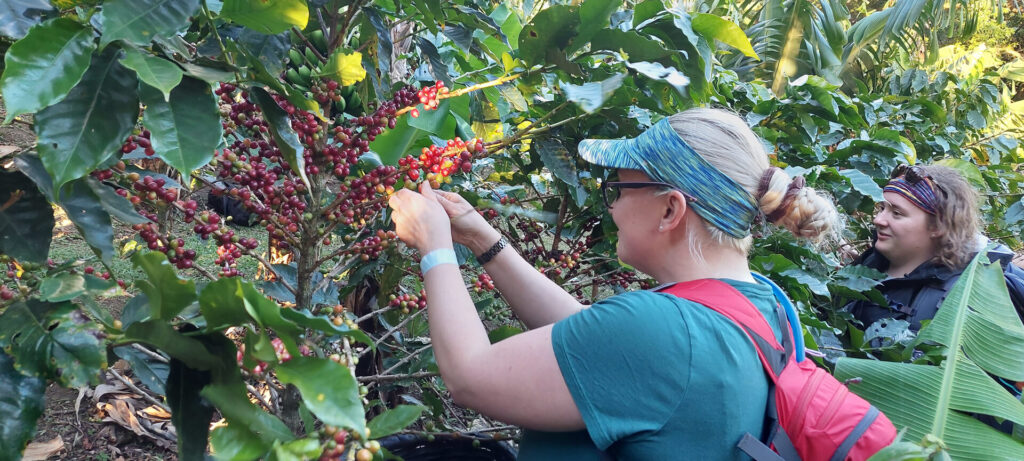
Uganda is known for high-quality coffee, and in many regions you can visit farms and small processing stations. A typical experience may include walking through coffee bushes, learning about shade-grown practices, understanding harvesting methods, and tasting different brews. For travelers, it’s a chance to connect with the “story behind the cup.” Some tours may also include banana and fruit cultivation nearby, showing how mixed farming supports household resilience.
2. Visiting banana and food-crop gardens
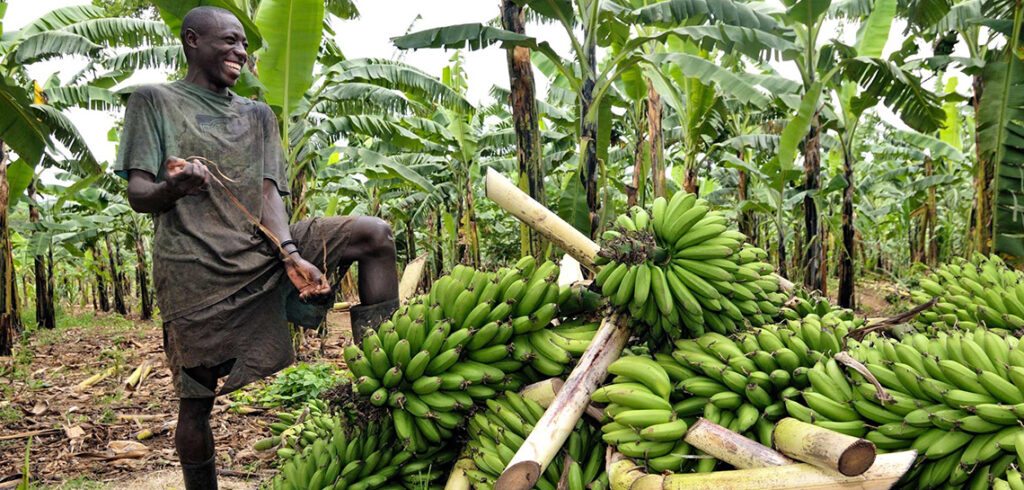
Bananas are more than a staple in Uganda—they are a symbol of everyday life. During agrotourism excursions, you can learn the differences between cooking bananas and sweet bananas, observe how crops are arranged for efficient land use, and even participate in preparing local dishes. You may also learn about composting and natural soil management, which many farmers use to keep the land productive.
3. Learning traditional cooking methods
Food is at the heart of agrotourism. Many farm visits include opportunities to watch or join in cooking using traditional techniques. You could taste foods like matooke, posho (maize meal), beans, groundnut-based dishes, and locally brewed beverages. These meals help you understand how ingredients and culture come together—especially when you know the crops were grown nearby.
4. Meeting communities and hearing local stories
Agrotourism is also cultural tourism. In Uganda, you’re likely to meet families, hear about their farming traditions, and learn how community cooperation works—such as shared labor during planting and harvest seasons. This human connection can be as memorable as any landscape.
Pair Agrotourism with Uganda Safaris and African Safaris in Uganda
While agrotourism offers an intimate look at rural Uganda, wildlife experiences are the adventure Uganda is famous for. That’s where the journey becomes truly complete. Many travelers combine village tours with Uganda safaris, using the countryside as a meaningful contrast to life in the wild.
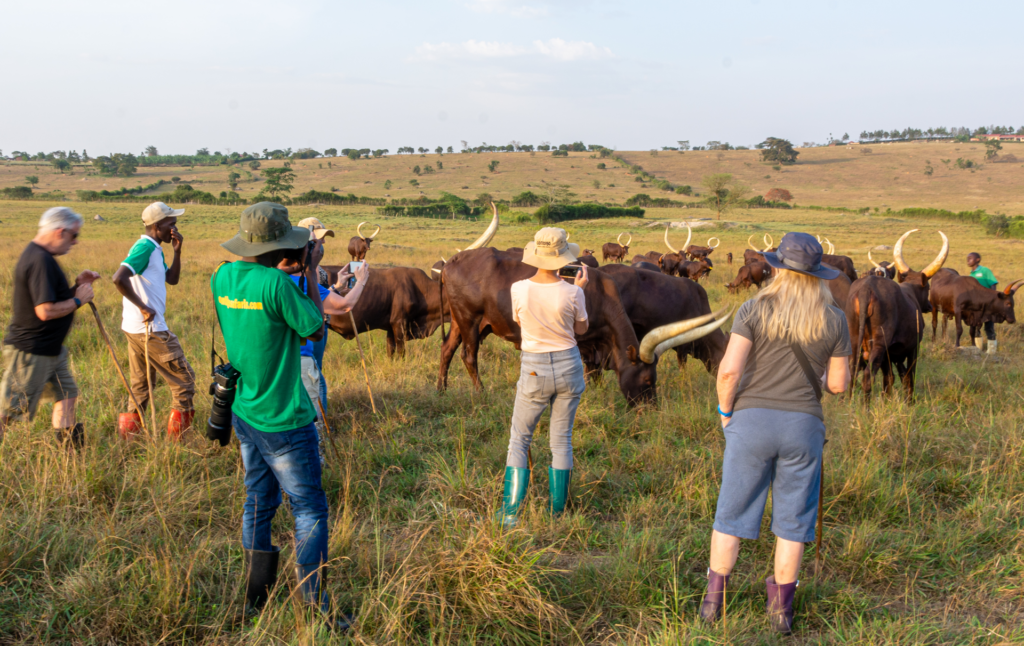
For example, you might spend a morning exploring farmland and local markets, then travel to a national park for an afternoon game drive or nature walk. This rhythm keeps your trip balanced—rich in both nature and community. It also helps you understand the broader ecological connection: farmers often live close to ecosystems that support wildlife, and their land management practices influence biodiversity in subtle ways.
If your main goal is wildlife, consider how agrotourism can complement it rather than replace it. This approach strengthens your appreciation of conservation—especially when you hear firsthand from locals about how they protect resources and adapt to environmental changes.
Gorilla Trekking: A Powerful Add-On
Few experiences compare to gorilla trekking in Uganda. The country’s mountain gorillas are among the most iconic wildlife encounters in the world, and trekking brings you close to the lives of these incredible animals. Interestingly, travelers who add gorilla trekking often find that agrotourism afterward feels even more rewarding.
After a trek in the forest, an encounter with farm life gives you perspective. Gorilla trekking reminds you how vital habitats are. Agrotourism then shows how communities manage land, support livelihoods, and maintain traditions that keep rural areas thriving. Together, these experiences turn your trip into a story about both wilderness and the human role in protecting it.
How Agrotourism Supports Local Livelihoods
One of the best reasons to choose agrotourism in Uganda is its impact. When visitors spend money on farm tours, meals, guiding, and locally made crafts, it directly supports communities. It also encourages young people to see the value of agriculture and local knowledge. In many places, these tourism opportunities can help farmers invest in better tools, diversify crops, or improve storage and processing techniques.
Agrotourism also creates a meaningful form of exchange. Travelers gain knowledge; communities gain income and visibility. When done responsibly—through fair partnerships and local leadership—it becomes tourism that benefits everyone.
Planning Your Trip: A Simple Itinerary Idea
Here’s one way to structure a trip that blends the best of rural life and wildlife:
- Day 1–2: Arrive and begin with agrotourism experiences—coffee or crop tours, local cooking, and cultural introductions.
- Day 3: Travel toward a national park region for gorilla trekking, focusing on education from guides about the forest and conservation.
- Day 4–5: Add wildlife and nature activities through African safaris in Uganda, including guided walks or game drives depending on the region.
- Final day: Return to the countryside for a relaxed farm experience, perhaps a market visit and local craft shopping.
This approach ensures you enjoy Uganda’s wild beauty and its farming heart—not just one side of the country.
Conclusion: Choosing Cycads African Safaris for a Meaningful Journey
Agrotourism in Uganda is more than a travel trend—it’s a way to experience the country with depth. It connects you to everyday life, teaches you about how food is grown and prepared, and builds a strong appreciation for local communities. When combined with Uganda safaris, gorilla trekking, and broader African safaris in Uganda, it creates an unforgettable blend of adventure and authenticity.
To make that kind of journey smoother and more impactful, consider working with Cycads African Safaris. With the right planning, you can experience both the wild and the rural—tasting Uganda’s flavors, learning from farmers, and witnessing the extraordinary animals that make this destination legendary. In the end, the best safaris don’t just show you what Uganda looks like—they help you understand who Uganda is. Contact us on info@cycadssafaris.com OR USA: +18182906623
