
Serengeti National Park vs Kruger National Park for Your Safari. Choosing the right national park for your safari is one of the most exciting — and sometimes most difficult — decisions a traveler can make. Two of Africa’s most iconic parks, Tanzania’s Serengeti National Park and South Africa’s Kruger National Park, each offer unforgettable wildlife experiences, but they differ in landscapes, wildlife density, accessibility, and the type of safari you’re likely to enjoy. Whether you’re planning extended Tanzania safaris or considering short Tanzania safaris that include other nearby attractions, understanding the strengths of each park will help you design a trip that matches your interests, budget, and time frame.
Why these parks matter
The Serengeti and Kruger are both considered quintessential African safari destinations. They attract photographers, family groups, honeymooners, and serious wildlife enthusiasts for good reason. The Serengeti is world-famous for its seasonal Great Migration of wildebeest and zebras and for sweeping endless plains where predators and prey play out age-old dramas. Kruger, by contrast, is one of Africa’s largest game reserves and offers high wildlife densities year-round plus easy self-drive access, a wide range of accommodation, and a strong conservation and visitor infrastructure.
Landscapes and ecosystems
- Serengeti National Park (Tanzania): The Serengeti is characterized by vast, rolling plains, rocky kopjes (granite outcrops), riverine woodlands, and seasonal swamps. The scenery feels quintessentially “African” — miles of grassland punctuated by acacia trees and sky. Its ecosystem is tuned to the annual rhythms of rainfall, which in turn drive the Great Migration.
- Kruger National Park (South Africa): Kruger’s landscape is more varied, including open savanna, dense bush, riverine forests, mopane woodlands, and granite outcrops. This diversity supports a wide range of species and offers contrasting photographic backdrops within the same park. Kruger’s ecosystems are stable year-round, allowing predictable sightings throughout the seasons.
Wildlife highlights
- Serengeti:
- Great Migration: Depending on the time of year, you can witness river crossings, massive herds on the move, and the predators that shadow them. This spectacle is a top reason many travelers choose Tanzania safaris.
- Predators: High concentrations of lions, cheetahs, leopards, and hyenas. The open plains make predator-prey interactions easier to observe.
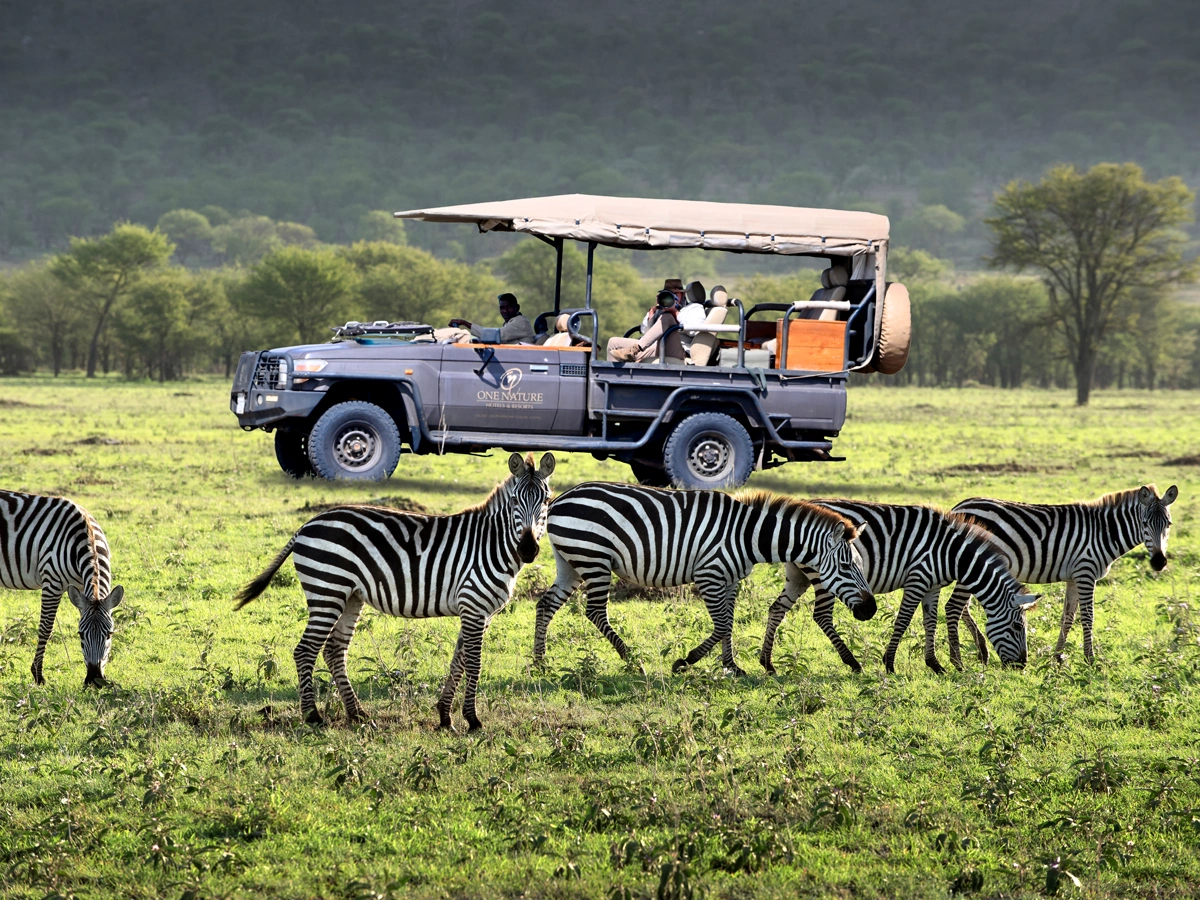
- Plains herbivores: Huge numbers of wildebeest, zebra, gazelles, and buffalo.
- Bird life: Excellent for raptors and plains specialists.
- Kruger:
- Big Five: Excellent opportunities to see lion, leopard, rhino, elephant, and Cape buffalo — often all on the same trip.
- High species diversity: Kruger’s varied habitats support many ungulates, primates, reptiles, and bird species.
- Elephant encounters: Kruger is famous for close, dramatic encounters with large elephant herds.
- Night drives and guided walks: Many reserves bordering or inside Kruger facilitate guided walking safaris and night drives where nocturnal species are especially visible.
Accessibility, travel logistics, and best times to visit
- Serengeti (Tanzania safaris, short Tanzania safaris):
- Access: The Serengeti is served by regional light aircraft as well as longer road transfers. Many travelers combine Serengeti visits with other Tanzania safaris such as Ngorongoro Crater, Tarangire, or Lake Manyara.
- Best time: To witness the Great Migration you’ll time your visit carefully — each season favors different sectors of the Serengeti. June–September is great for northern Serengeti and river crossings; December–March favors the southern plains where calving occurs; April–May can be wet and lush and is low season for crowds.
- Short Tanzania safaris: If you’re limited on time, short Tanzania safaris can include a focused Serengeti stay of 2–4 nights, often combined with a game drive in Ngorongoro or Tarangire to maximize wildlife viewing in compact itineraries.
- Kruger:
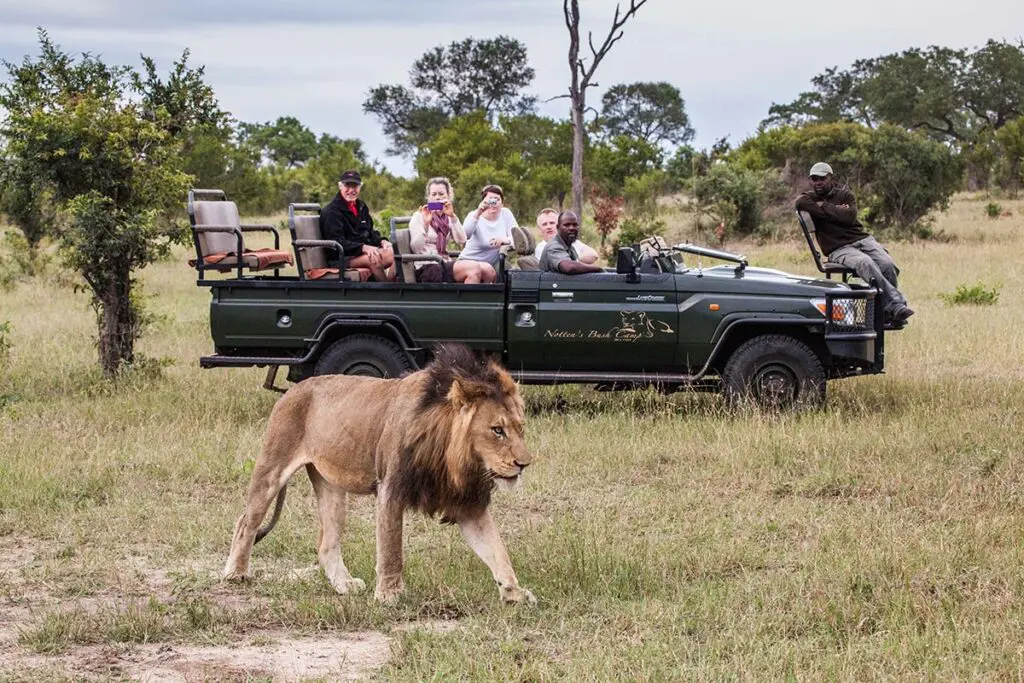
- Access: Kruger is highly accessible by road and air. It has excellent infrastructure, including tarred roads, camps with varying levels of comfort, and self-drive options for independent travelers.
- Best time: The dry winter months (May–September) are best for game viewing, when animals gather near water and foliage is sparser. Summer (November–March) brings lush vegetation, newborns, and good birding but also heat and rain.
- Flexibility: Kruger suits both short getaways and extended stays. Weekend safaris from Johannesburg are common, making Kruger ideal for travelers with limited time.
Accommodation and safari styles
- Serengeti:
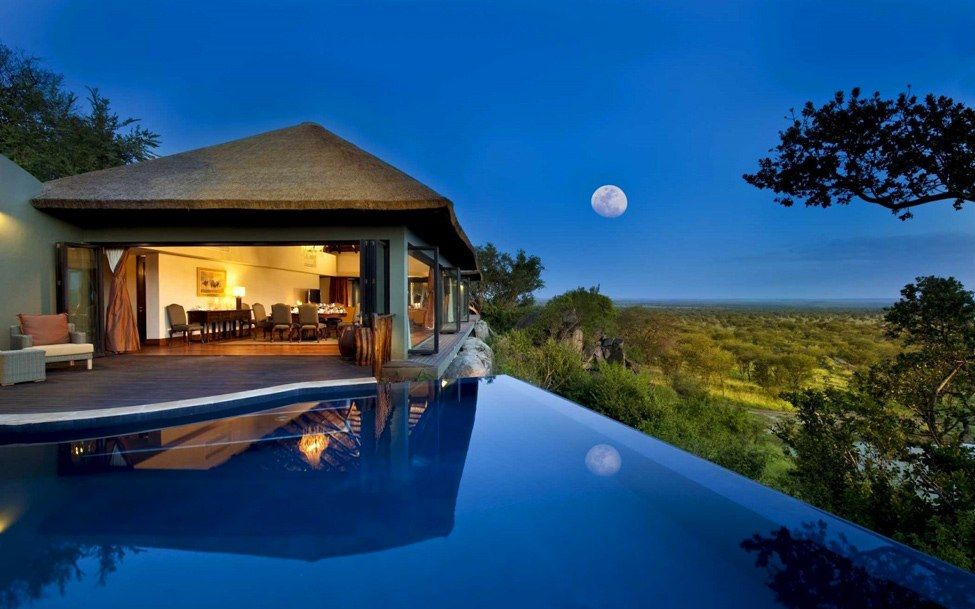
- Styles: Mobile camps, luxury lodges, tented camps that focus on immersion in the wilderness and prime wildlife viewing locations.
- Experience: Many Serengeti lodges position you close to migration routes during the season; camps may move seasonally to follow the herds.
- Cost: Often pricier due to remote locations, charter flights, and the premium placed on migration experiences.
- Kruger:
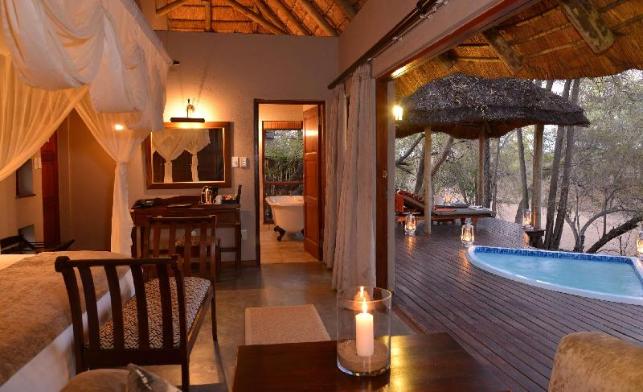
- Styles: A wide range from budget rest camps and self-catering units to luxury lodges and private concession camps. Self-drive safaris are very popular and affordable.
- Experience: Kruger is family-friendly and flexible; you can combine guided drives with self-drive days.
- Cost: Generally more options for budget travelers; private reserves on Kruger’s perimeter can be expensive but offer exclusive experiences.
Guides, rules, and visitor experience
- Serengeti:
- Guides: Professional guides and driver-guides in Tanzania are excellent and often very knowledgeable about migration patterns, predator behavior, and local ecology. Game drives focus on long drives to find big cat action and migration herds.
- Rules: Off-road driving is limited to protect the ecosystem; most wildlife viewing is from designated tracks.
- Kruger:
- Guides and self-drive: You can drive yourself in Kruger, which suits travelers who like independent exploration. Guided safaris are also widely available and offer deeper expertise on animal behavior and conservation issues.
- Rules: Kruger has strict park rules about speed limits, driving at night in many areas, and interacting with wildlife for safety and conservation.
Who should choose the Serengeti?
- You’re obsessed with witnessing the Great Migration and want dramatic, open-plains wildlife viewing.
- You want guided, immersive Safari experiences where lodges position you near seasonal wildlife concentrations.
- You’re booking a Tanzania safari (or short Tanzania safaris) that may combine Serengeti with Ngorongoro or Tarangire for a classic northern Tanzania itinerary.
- You value vast horizons and photographic opportunities with large, sweeping landscapes.
Who should choose Kruger?
- You want flexibility, a range of budgets, and the option of self-drive safaris.
- You’d like stable, year-round wildlife viewing with the possibility of seeing the Big Five within a single park.
- You’re traveling from Johannesburg or prefer shorter transfers by road.
- You’d appreciate more infrastructure for families, first-time safari-goers, or travelers who want to mix cultural and scenic excursions with wildlife viewing.
Practical tips when deciding
- Time: If you have limited days, Kruger may offer more guaranteed sightings with shorter travel time. If your dates line up with migration events, a Serengeti-focused Tanzania safari will be unforgettable.
- Budget: Compare park fees, internal flight costs for Serengeti, and lodging types. Short Tanzania safaris can be cost-efficient when carefully planned, especially when combining nearby parks.
- Experience level: First-time safari-goers may prefer Kruger’s ease and diversity. Repeat visitors or wildlife photographers seeking specific behaviors (like migration river crossings) may prefer the Serengeti.
- Seasonality: Match your travel dates to the wildlife events you most want to see — calving season in the southern Serengeti, river crossings in the north, or Kruger’s dry-season congregation at waterholes.
Conservation and community benefits
Both parks contribute significantly to conservation and local communities, although approaches differ:
- Serengeti: Protected as part of Tanzania’s national park system, with strict conservation measures and significant investment in anti-poaching and community programs in the surrounding areas. Many Tanzania safaris emphasize responsible tourism and support for local communities.
- Kruger: Managed by South African National Parks (SANParks) with a long history of conservation initiatives, research, anti-poaching efforts, and community outreach. Private reserves bordering Kruger also support conservation through tourism revenue and localized employment.
Conclusion — choosing your safari and a note from Cycads African Safaris
Both Serengeti and Kruger promise powerful wildlife encounters, but they cater to slightly different safari desires. Choose the Serengeti for epic migration spectacles, open plains photography, and classic Tanzania safaris — even short Tanzania safaris can be arranged to capture highlights. Choose Kruger for accessibility, self-drive flexibility, consistent Big Five sightings, family-friendly options, and a wide range of budgets.
If you’re still unsure which park suits you best, consider what matters most: the migration and sweeping prairie vistas (Serengeti) or variety, accessibility, and self-guided adventure (Kruger). Either way, work with a reputable operator — such as Cycads African Safaris — to craft an itinerary that fits your timeframe, comfort level, and wildlife priorities. Cycads African Safaris specializes in tailoring itineraries that balance the must-see spectacles with responsible wildlife tourism, ensuring your safari is both unforgettable and supportive of conservation and local communities. Contact us on info@cycadssafaris.com or +18182906623
