
Gorilla Trekking vs Gorilla Habituation: Which Is Best for a Photography Safari?. Few wildlife experiences rival coming face-to-face with a mountain gorilla. For photographers, the opportunity to capture intimate behaviors, powerful expressions and family interactions is a dream. In East Africa—primarily Uganda and Rwanda—visitors can choose between two ways to see gorillas: gorilla trekking and gorilla habituation. Both offer extraordinary photographic possibilities, but they differ in access, time, and ethical considerations. Below is a practical guide to help photographers decide which experience best suits their goals, whether you’re planning Uganda safaris, Rwanda safaris, or combining both.
What are gorilla trekking and gorilla habituation?
- Gorilla trekking: This is the more common option available on most Uganda safaris and Rwanda safaris. Small groups of visitors, led by experienced guides and trackers, hike into the gorillas’ natural habitat to spend a strictly limited time—usually one hour—with a habituated gorilla family. These gorilla groups already accept human presence, allowing predictable, safe encounters that minimize stress on the animals.
- Gorilla habituation: This is a longer, rarer, and more intensive process where researchers and trackers gradually acclimate a previously un-habituated gorilla group to human presence. Visitors on habituation experiences often join researchers for part of the day as the gorillas are gradually approached; the visit can last several hours and may include observing infants, feeding, social interactions and the process of habituation itself. Habituation visits are available on select Uganda safaris and usually limited in number to reduce disturbance.
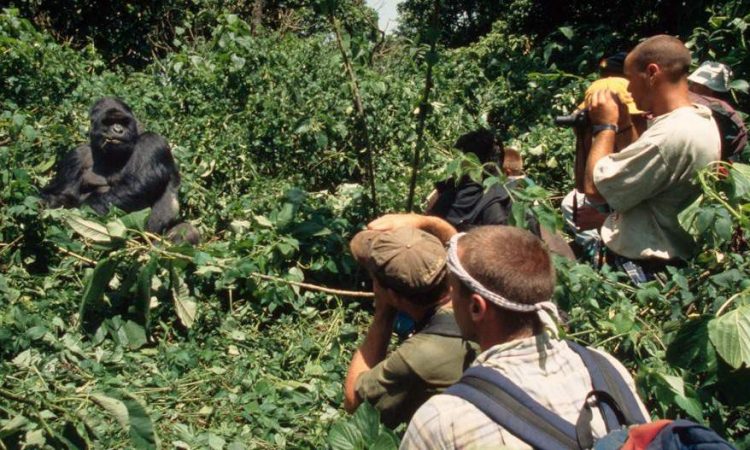
Photography opportunities: how they differ
- Time with the gorillas
- Trekking: One hour of close-up time is standard. That condensed period demands quick work—setting camera settings fast, being ready for decisive moments, and prioritizing the shots you want most.
- Habituation: Visits can range from several hours to a full day. For photographers this extended window is invaluable. You can wait for diverse behaviors—play, grooming, nursing, long-distance social interactions—and have time to change lenses, experiment with compositions, and learn the group’s rhythms.
- Variety of behavior
- Trekking: With habituated groups that are accustomed to humans, you’ll still see a range of behaviors—feeding, moving, resting, and occasionally displays. But the short visit can limit your chance of capturing rarer behaviors like intricate social play or long grooming sequences.
- Habituation: Because the gorillas are less accustomed to humans initially, they may act more naturally longer, allowing observation of spontaneous and subtle behaviors that are golden for storytelling photography.
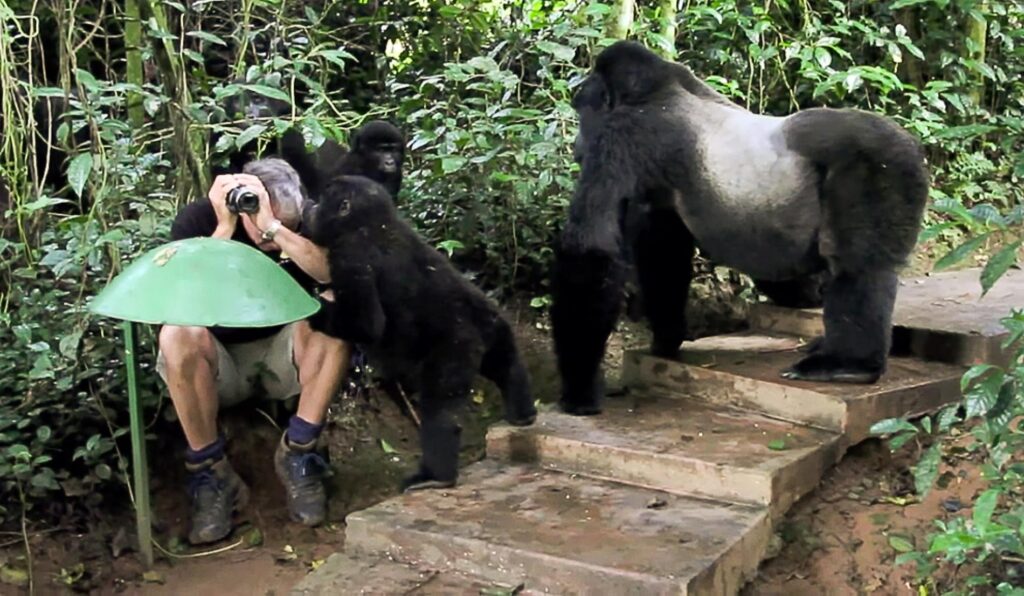
- Proximity and safety
- Trekking: There are strict rules—stay at least 7 meters when possible (some parks advise 7 meters, others allow closer when gorillas approach), no sudden movements, and no flash photography in many reserves. These rules protect both visitors and gorillas and produce powerful, intimate portraits when gorillas come near.
- Habituation: The dynamic can be similar, but when gorillas are less wary, they may come closer out of curiosity. Researchers control the interaction to ensure safety. Photographers must remain disciplined to follow instructions, both ethically and for personal safety.
- Light and shooting conditions
- Trekking: The one-hour window can occur at any time of the day depending on when the trackers locate the group. Light may be low under the forest canopy, so prepare a fast lens (f/2.8 or faster), a camera with good low-light performance, and a monopod or bean bag for stability.
- Habituation: Longer visits increase the likelihood of being present during better light periods. You can position yourself for side light or backlight for rim-lit portraits, and you have time to wait for better conditions.
Practical considerations for photographers
- Equipment: For both experiences, a versatile zoom like a 70–200mm f/2.8 is ideal for capturing close portraits and mid-range behavior without invading the animals’ space. A longer lens (300–600mm) helps for distant shots and candid behavior, while a fast prime can be invaluable in low light for dramatic portraits. Bring a monopod (lightweight) for stability; tripods are impractical during trekking.
- Camera settings: Use continuous auto focus and burst mode to increase chances of capturing ephemeral expressions. High ISO capability is crucial—galleries shot at ISO 1600–6400 are common—and noise reduction in post can salvage images shot in deep forest shadow.
- Ethical shooting: Respect gorilla welfare rules—no flash if banned, no approaching, keep quiet—but also follow guides’ instructions. Many Uganda safaris and Rwanda safaris emphasize conservation; behaving responsibly preserves the experience for future visitors and protects these endangered animals.
- Physical demands: Gorilla trekking can be physically taxing—steep slopes, muddy trails and several hours of hiking are common. Habituation experiences may require even longer time in the field, sometimes following gorillas for extended periods. Choose according to your fitness, or tailor expectations if mobility is limited.
- Permits and cost: Habituation permits are typically more costly and rarer than trekking permits and must be booked well in advance on Uganda safaris or through Rwanda safaris programs. The higher cost reflects the specialized nature of habituation and the conservation work involved.
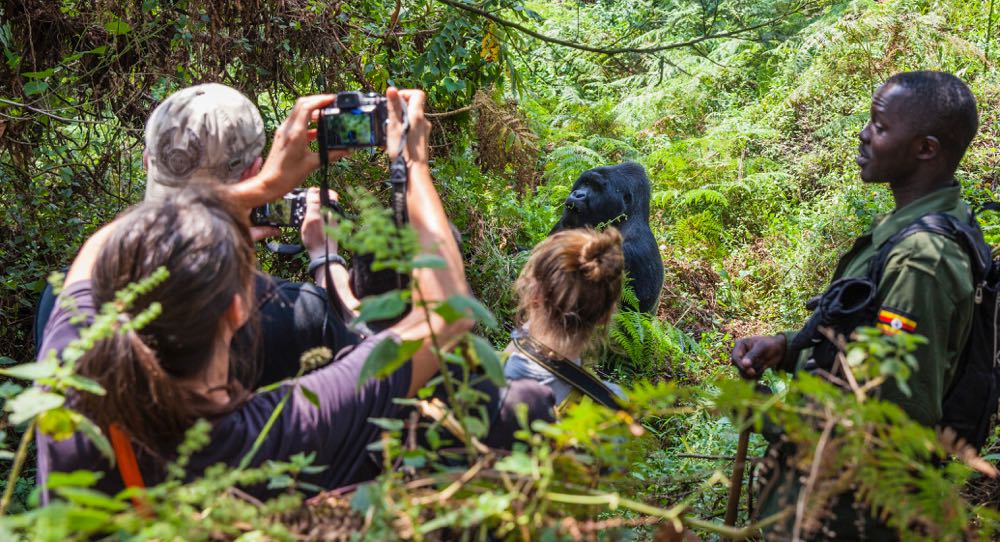
Which is best for a photography safari?
- Choose gorilla trekking if:
- You have limited time or budget.
- You prefer a predictable, shorter encounter.
- You want impactful portraits and dramatic closeups within a managed, time-limited setting.
- You’re combining gorilla viewing with other parts of Uganda safaris or Rwanda safaris.
- Choose gorilla habituation if:
- Your primary goal is in-depth wildlife storytelling and behavioral photography.
- You want more time to experiment with composition and lighting.
- You’re prepared for a higher cost and potentially a more physically demanding day.
- You value the opportunity to witness and document the scientific process of habituation and the gorillas’ natural behaviors.
Both can produce stunning images; it ultimately depends on your priorities. If you have time and budget, combining both experiences across a longer trip offers the best of both worlds—short, powerful trekking encounters and in-depth habituation days for extended storytelling. Many photographers build Uganda safaris or Rwanda safaris itineraries that include multiple gorilla experiences to maximize opportunities.
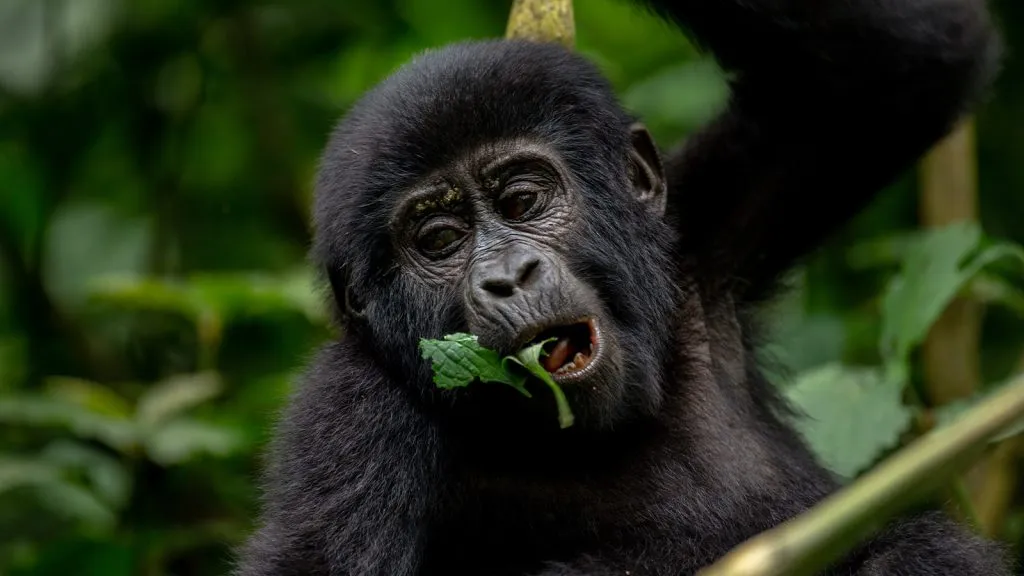
Tips to maximize your photography success
- Scout and plan: Ask your operator about recent gorilla behavior patterns and likely light conditions. Local trackers’ knowledge is invaluable.
- Lens strategy: Pack two bodies if possible—one with a short telephoto (70–200mm) and one with a long lens (300–600mm). If you must choose one, the 70–200mm f/2.8 is the most versatile.
- Silence is golden: Use silent shooting modes if available and avoid disruptive behavior. Natural, quiet observation often yields more authentic shots.
- Backup gear and power: Bring extra batteries and memory cards; cold and long days drain power.
- Post-processing: Emphasize clarity, noise reduction, and careful crop to highlight expressions without over-processing. Maintain natural colors—gorilla skin and fur are striking when rendered accurately.
Conclusion
Both gorilla trekking and gorilla habituation deliver unforgettable photography opportunities on Uganda safaris and Rwanda safaris. Trekking offers concentrated, manageable encounters ideal for strong portraiture and shorter itineraries; habituation offers deeper access to behavior and storytelling for those who can invest more time and resources. Whichever you choose, prioritize ethical practices and follow guides’ instructions—responsible photography helps protect these extraordinary animals and ensures future visitors can enjoy the same close encounters.
For photographers seeking the most complete experience, consider combining both approaches on a longer trip. And when booking, look for trusted operators who support conservation and local communities—Cycads African Safaris is one such option that integrates ethical guiding, responsible tourism practices and tailored photography-focused itineraries to help you make the most of your gorilla safari. Contact us on info@cycadssafaris.com OR +18182906623
