
Uganda’s culinary scene is as vibrant and diverse as its landscapes — from the terraced slopes of the Rwenzori to the lake-lined villages of the Great Rift Valley. An in-depth culinary tour through Uganda offers travelers the chance to taste traditional flavors, meet the farmers and fishers who supply the food, and combine sensory experiences with the country’s world-class wildlife viewing. Whether you’re booking Uganda safaris, arranging Uganda car rentals, or planning full Uganda safari holidays, integrating food-focused stops into your itinerary enriches every day on the road. Below is a guide to immersive culinary routes and experiences across Uganda.
Central Uganda: Kampala’s Markets and Street Food
Begin your culinary tour in Kampala, the country’s bustling capital and a food lover’s playground. Stroll through Owino (St. Balikuddembe) Market to see an astonishing array of tropical produce — matooke (green cooking bananas), sweet potatoes, cassava, and a rainbow of local vegetables. Vendors will proudly demonstrate how to select the best plantains for steaming or frying.
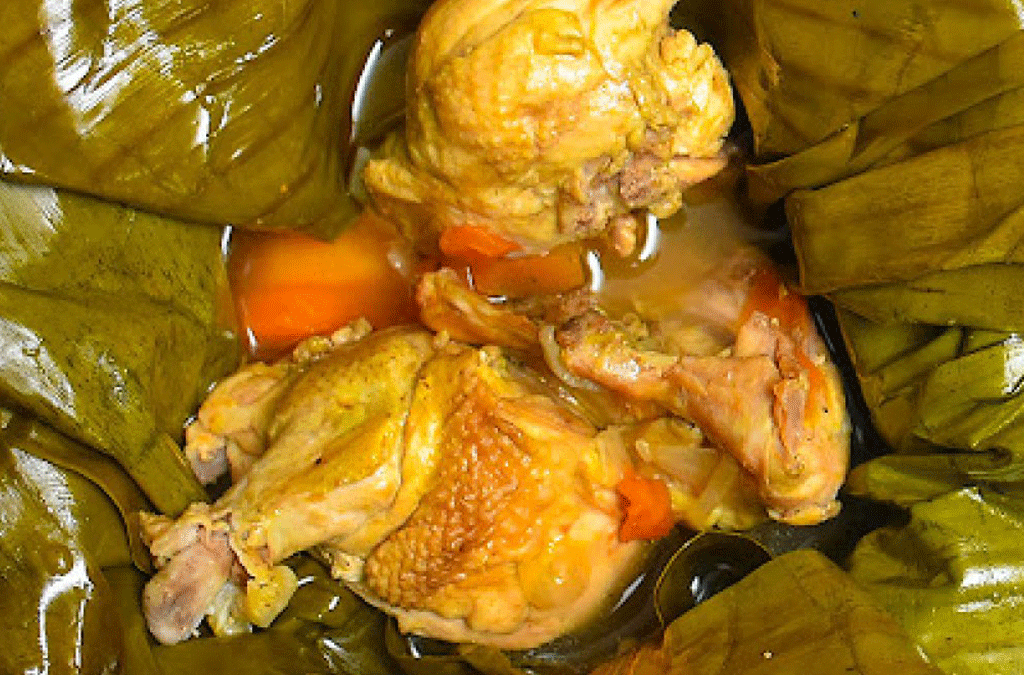
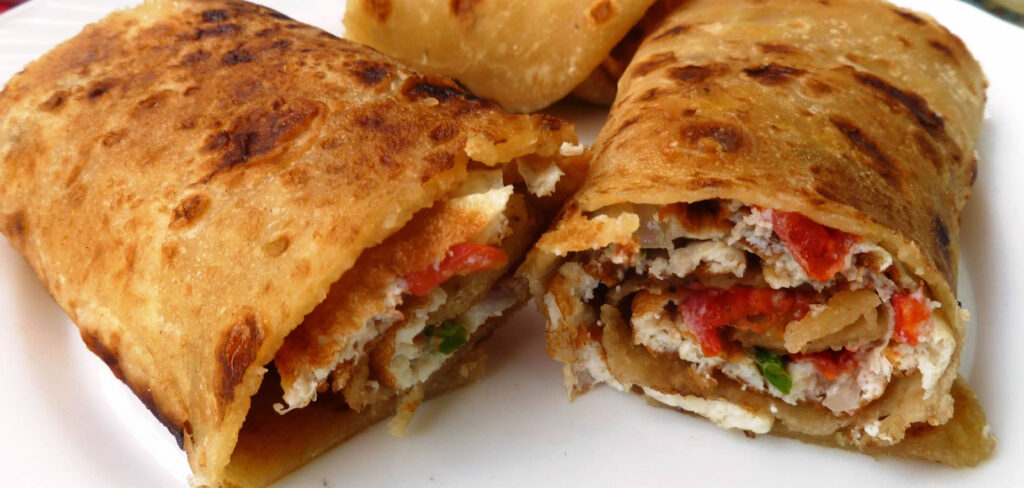
Sample street food staples: rolex (chapati rolled with omelet and vegetables), freshly grilled tilapia from Lake Victoria, and samosas filled with spiced beef or vegetables. Many local restaurants and cafés pair traditional dishes with modern twists — think avocado and groundnut sauce atop grilled chicken. For visitors using Uganda car rentals, Kampala is an easy place to stock up on local snacks and ingredients before heading into the countryside.
Mukono and Jinja: Coffee, Fish and Riverbank Flavors
A short drive east of Kampala brings you to Mukono and the adventure hub of Jinja on the shores of the Nile. The Busoga region is famed for smallholder coffee growers. Book a farm visit to learn about the process from cherry to cup: harvesting, wet-processing, drying and roasting. Coffee tastings here are revealing, showing how microclimates alter flavor profiles.
Jinja’s riverine cuisine emphasizes fresh water fish — Nile perch and tilapia — often smoked or grilled over open flame and served with a side of matooke, cassava, and leafy greens. Combine white-water rafting or sightseeing with a riverside meal; many tour operators integrate local dining experiences into Uganda safari holidays for a balanced mix of adventure and culture.
Western Uganda: The Rwenzori Foothills and Kigezi Highlands
Western Uganda is synonymous with mountainous landscapes and agricultural abundance. In the Rwenzori foothills and Kigezi highlands, farm-to-table is not a trend but daily life. Small gardens produce highland potatoes, beans, and seasonal fruits; terraced fields demonstrate centuries-old farming expertise.
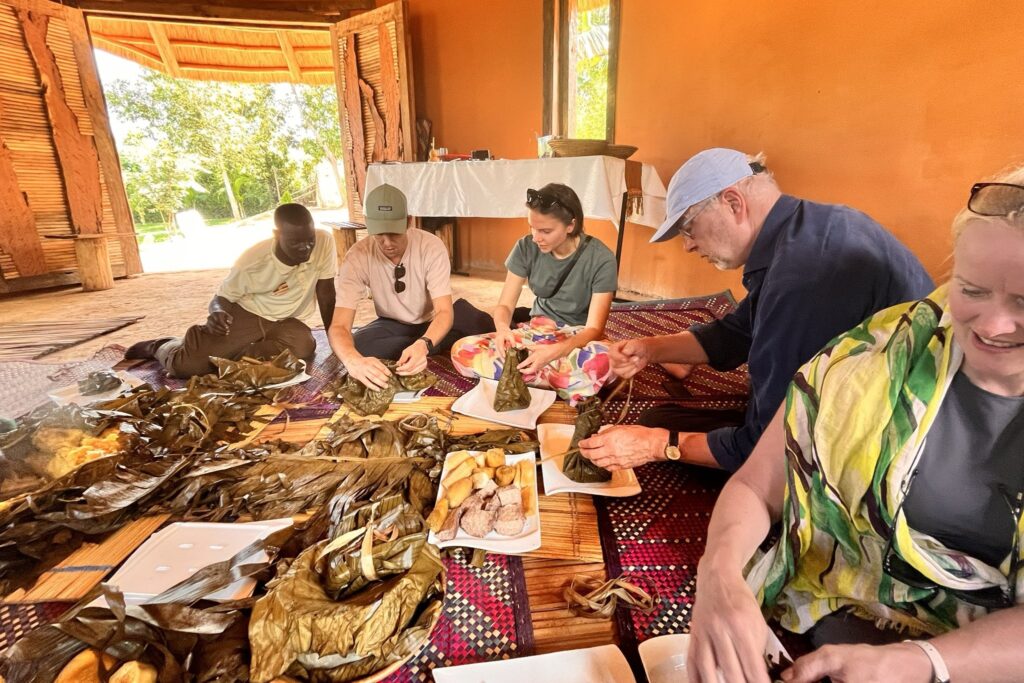
Here, visitors can join community cooking demonstrations where hosts prepare dishes over wood fires: steamed matooke, posho (maize meal), bean stews flavored with onions and local spices, and groundnut sauces. Cultural evenings in community-run guesthouses commonly feature storytelling and tasting local banana beers — an essential cultural complement to Uganda safaris in the region.

Southwest Uganda: Kigezi, Kabale and Lake Bunyonyi
The southwest offers unique culinary treats shaped by altitude and water. Kabale’s markets supply mountain vegetables and fresh dairy. Close to Lake Bunyonyi, expect meals centered around fish, fresh greens, and locally baked breads. Community-run ecolodges often collaborate with local fishers and farmers, providing authentic meals and opportunities to learn sustainable harvesting and cooking methods.
During gorilla-trekking trips in Bwindi Impenetrable Forest, many lodges focus on hearty, restorative cuisine: stews rich in legumes and vegetables, and simple, nourishing breakfasts to fuel early hikes. Tour itineraries that combine gorilla tracking with culinary stops offer deep cultural immersion — and these experiences are commonly included in curated Uganda safari holidays.
Northern and Northeastern Uganda: Pastoral Flavors and Sorghum Traditions
The northern and northeastern regions showcase pastoral cultures, especially among the Karamojong and Acholi peoples. The diet here incorporates sorghum, millet, goat, and milk-based preparations. Try sorghum porridge, fermented milk drinks, and grilled goat spiced simply to highlight quality meat.
Timely visits during cultural festivals reveal ceremonial cuisines rarely seen elsewhere — unique breads, porridge preparations, and meat-sharing traditions. For travelers arranging Uganda car rentals to reach these remote regions, plan for longer driving times and aim for local guides who can coordinate authentic culinary experiences.
Western Lakes and Fish-Dominant Diets: Albertine Rift and Lake Albert
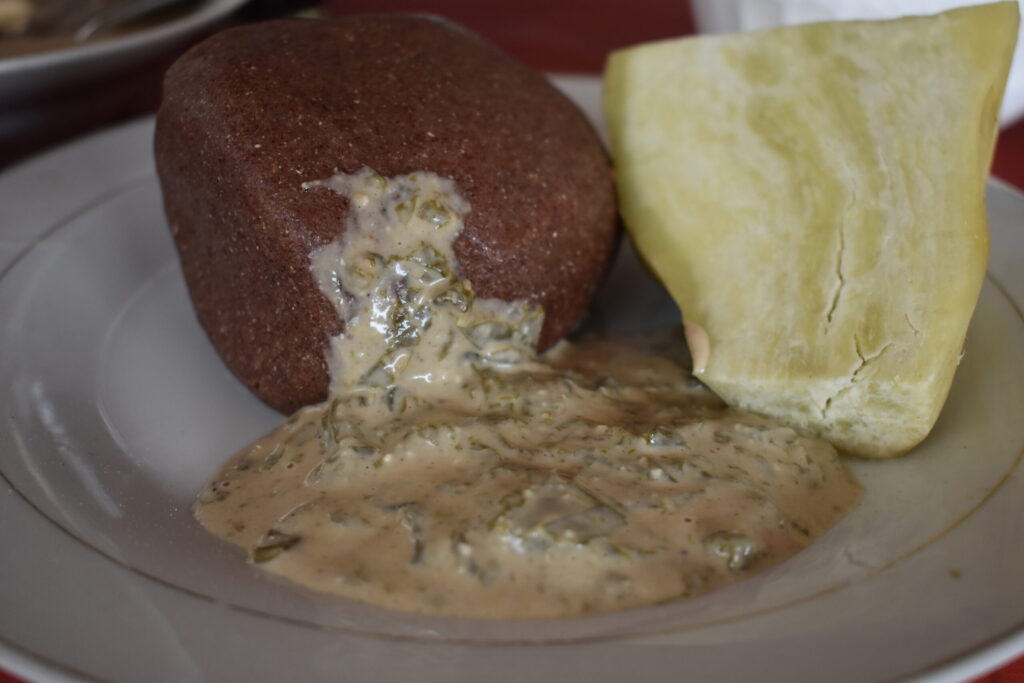
The Albertine Rift supports a large fishing economy around Lake Albert and adjacent waters. Fish smoked on open racks, freshwater stews, and cassava or matooke pairings dominate. Visiting fish landing sites early in the morning offers insight into how fish are caught, traded, and prepared for market — an eye-opening complement to wildlife-focused days on Uganda safaris.
Culinary Sustainability and Farm Visits
Across regions, sustainable food practices are growing. Smallholder cooperatives, permaculture farms, and community lodges emphasize organic production and biodiversity. Many culinary tours include visits to these farms where you can pick vegetables, help prepare meals, and learn about crop rotations and soil health — a meaningful way to understand how food production links to conservation and community livelihoods.
Practical Tips for Food-Focused Travel in Uganda
- Book experiences through trusted operators who understand food safety and support local communities; many Uganda safari holidays now include culinary elements.
- If renting a car, choose Uganda car rentals that provide a reliable vehicle suited to both paved and unpaved roads; food stops often occur off the beaten path.
- Ask about dietary restrictions ahead of time; many hosts are accommodating and will prepare vegetarian or simpler meals if notified.
- Bring cash (small denominations) for market purchases and tips; many rural vendors don’t accept cards.
- Be adventurous but cautious: favor cooked foods and hot beverages in areas where water treatment may be inconsistent.
Combining Food with Wildlife: The Best of Both Worlds
A culinary tour of Uganda complements the country’s famed safari offerings. Many travelers build itineraries that alternate wildlife days — chimpanzee tracking in Kibale Forest, savanna drives in Queen Elizabeth National Park, or mountain Gorilla treks in Bwindi — with immersive food experiences. This balance creates a fuller narrative of place: wildlife, landscapes, and the people whose labor and knowledge shape Uganda’s cuisine.
Conclusion — Cycads African Safaris
Planning an unforgettable trip that marries culinary discovery with wildlife adventure is straightforward when you travel with experienced guides. Cycads African Safaris specializes in crafting bespoke Uganda safari holidays that weave together food-focused experiences and classic wildlife itineraries. Whether you need help arranging Uganda car rentals, setting up market tours, or designing a multi-day safari with culinary highlights, Cycads African Safaris can create an itinerary that captures the flavors and spirit of Uganda from city markets to remote lake shores. Contact Us Now on info@cycadssafaris.com OR on +18182906623
