
Birding in Uganda: A Birder’s Paradise. Few countries in Africa pack as much avian diversity into a compact, accessible landscape as Uganda. Nicknamed the “Pearl of Africa,” Uganda is a mosaic of habitats — from Albertine Rift montane forests and papyrus-fringed lakes to vast savannas and riverine galleries — that support an incredible variety of bird life. For both novice twitches and hardened listens, birding in Uganda offers unforgettable encounters, easy logistics through established Uganda safaris, and the chance to combine birdwatching with the country’s other wildlife and cultural highlights.
Why Uganda is special for birders
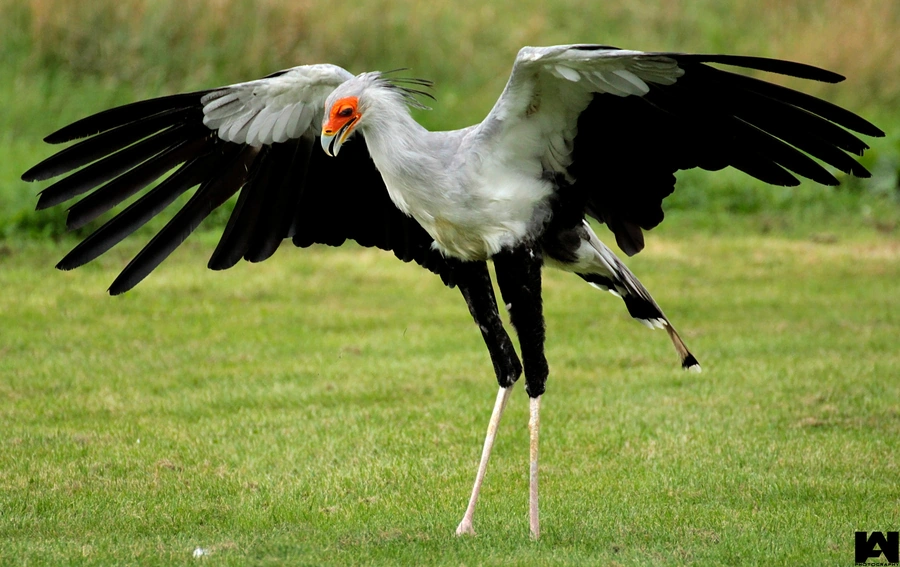
Uganda lies at a crossroads of several biogeographic zones. The eastern edges of the Congo Basin, the highlands of the Albertine Rift, the East African savanna belt and the Nile-Congo watershed all meet here, creating high species richness and many localized endemics. Birders visiting on safaris in Uganda can hope to see everything from Albertine Rift endemics like the Rwenzori batis and the Shelley’s crimsonwing to widespread savanna species such as the superb starling and the secretary bird.
Accessible birding, world-class hot spots
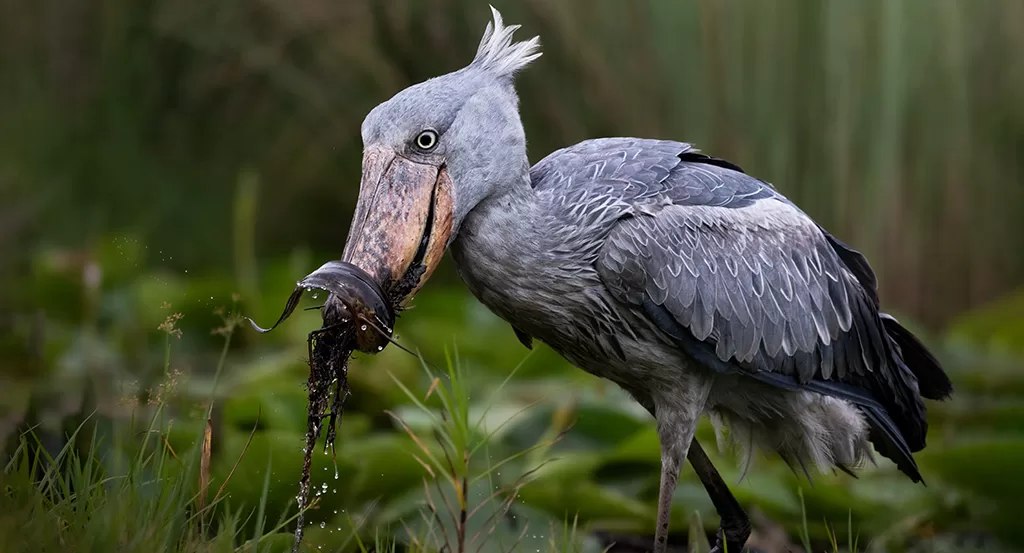
One of Uganda’s strengths is how accessible its birding hotspots are. Little more than a few hours’ drive from Kampala, you can be in rich montane forest or beside glimmering lakes. Uganda safari tours often include a mix of sites to maximize sightings — Mabamba Swamp for the iconic shoebill, Mabira Forest for forest specialists, Semuliki for lowland species, and Bwindi Impenetrable Forest for both gorillas and highland birds.
- Mabamba Swamp: The shoebill (Balaeniceps rex) is a dream for many birders, and Mabamba’s papyrus channels are one of the best places in the world to find this prehistoric-looking giant. Early morning boat trips through the papyrus offer close-up views and great photography opportunities.
- Bwindi Impenetrable Forest and Mgahinga: Often visited on Uganda safari tours for mountain gorilla trekking, these montane forests are also home to Albertine Rift endemics and montane specialists like the Rwenzori turaco and strange weaver. The birding here is superb for mixed-species flocks and shy forest species.
- Queen Elizabeth and Murchison Falls National Parks: These parks combine classic savanna birding with wetland and riverine species. Look for raptors, herons, and waterbirds along the Nile and seeing spectacular sightings while on game drive or boat trips.
- Semuliki National Park: This lowland forest near the Democratic Republic of Congo is a haven for species typical of the western Congo Basin, such as the white-throated blue swallow and red-headed picathartes in surrounding areas. For birders following safaris in Uganda, Semuliki provides a contrasting set of species to the montane bird list.
- Lake Victoria and its islands: Birding around the lake and its wetlands yields a range of waterbirds and migrant species, while nearby wetlands like Lutembe and Mabamba are crucial for marsh specialists.
Best time to go
Uganda can be birded year-round, but timing affects what you’ll see and how comfortable your trip will be. The drier months (December–February and June–August) are popular for Uganda safaris because trails are easier and lakes are more accessible for boat trips, increasing chances for waterways-based species like the shoebill. Breeding seasons and migratory arrivals can vary, so many birders time trips around specific targets. Local guides on Uganda safari tours are invaluable for planning the right windows.
Guided tours and local expertise
While many birding sites are approachable independently, the best results usually come with experienced guides. Uganda safari tours often include knowledgeable bird guides who know the habitats, seasonal movements, and best times to find elusive species. They also help with practicalities like transport, permits, and where to stay. Local guides often have connections that can secure private boat trips or early-morning access to prime locations — important for seeing shy or rare birds.
Top species to target
Uganda’s checklist is huge — over 1,000 species — but a few “must-sees” commonly feature on itineraries:
- Shoebill (Mabamba Swamp)
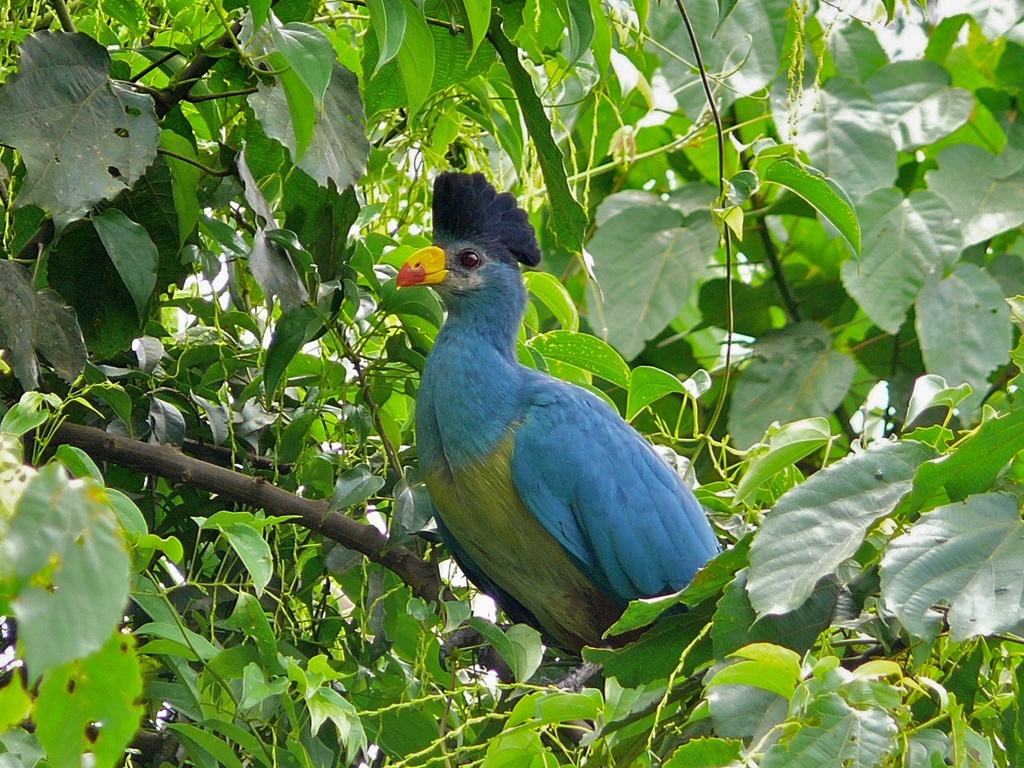
- Great blue turaco and Rwenzori turaco (montane forests)
- African fin foot (riverine habitats)
- Grauer’s broadbill and other Albertine Rift endemics (specialized hot-spots)
- Papyrus gonolek (papyrus swamps)
- White-winged warbler and Schalow’s turaco in forest zones
- Secretary bird, Kori bastard and a variety of raptors on savanna-focused safaris in Uganda
Combining birding with other experiences
One of Uganda’s attractions is that birding can be combined smoothly with other safari activities. Uganda safaris commonly package gorilla trekking, wildlife game drives, cultural visits, and birdwatching into the same itinerary. This means partners or family members with different interests can all enjoy the trip — while birders rack up lifers, others might focus on mammal sightings or cultural experiences.
Practical tips for birders
- Bring lightweight but reliable optics: a good pair of binoculars (8×42 or 10×42) and, if you photograph, a long lens will pay off.
- Pack layers and waterproofs: Uganda’s weather can change quickly, especially in montane areas.
- Early starts work: birds are most active at dawn; many Uganda safari tours begin before sunrise for this reason.
- Respect habitats: many species rely on fragile ecosystems like papyrus swamps and mountain forests. Follow your guide’s instructions to avoid disturbance.
- Health and logistics: consult travel health advice, carry malaria prophylaxis if recommended, and make sure your Uganda safari tour provider handles park permits and transport.
Responsible birding and conservation
Birding in Uganda also supports conservation when done responsibly. Visiting protected areas, paying park fees, using local guides, and choosing operators who respect communities and habitats all contribute to preserving the very species that bring people here. Many conservation organizations in Uganda link ecotourism revenue to habitat protection, so birders often have a direct positive impact.
Conclusion: Cycads African Safaris
For birders planning a trip, working with a reputable operator simplifies logistics and maximizes sightings. Cycads African Safaris offers tailored Uganda safari tours that combine top birding sites with other classic safari experiences. Their knowledgeable guides, attention to conservation-friendly practices, and flexible itineraries make them a great choice for anyone wanting to explore birding in Uganda. Whether you’re after the shoebill in a papyrus channel or rare Albertine Rift endemics in misty montane forest, a well-planned safari with Cycads African Safaris will help turn your birding dreams in Uganda into reality. Contact us on info@cycadssafaris.com OR give us a call on +18182906623
