In a world where wildlife headlines are dominated by stories of decline, habitat loss, and species pushed to the brink, the mountain gorilla stands out as something genuinely rare — a conservation success story. In the 1980s, fewer than 250 mountain gorillas survived on Earth. Today, that number has climbed past 1,100. It is one of the few times in modern conservation history that a great ape population has grown rather than shrunk, and the reason behind that recovery is both surprising and instructive: people paying to go and see the
Gorilla trekking, done responsibly, is not a threat to mountain gorillas. It is one of the primary reasons they still exist.
A Species on the Edge
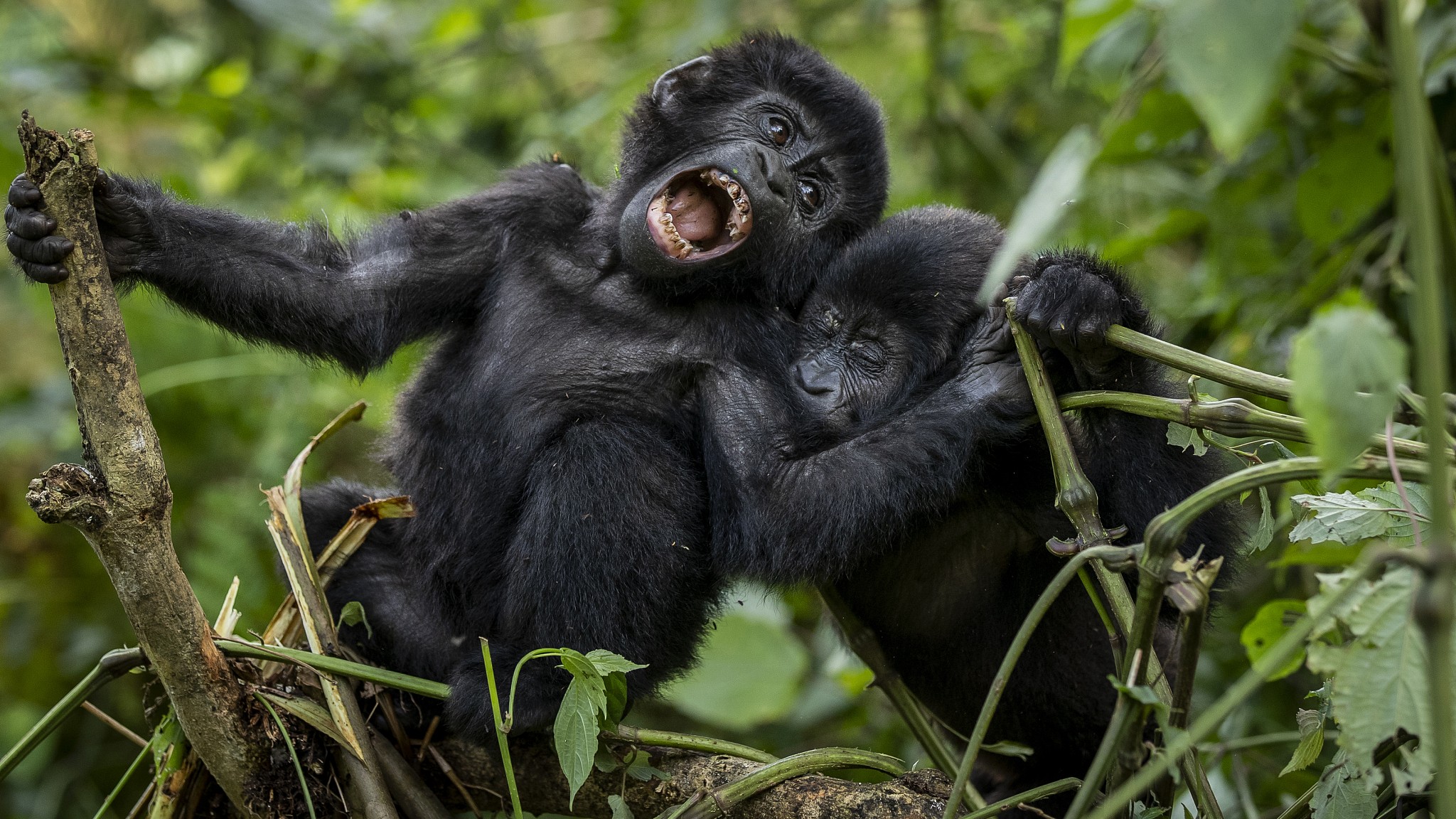
Mountain gorillas (Gorilla beringei beringei) exist in only two places on Earth — the Virunga Massif, a chain of volcanoes straddling Uganda, Rwanda, and the Democratic Republic of Congo, and the Bwindi Impenetrable Forest in southwestern Uganda. They cannot survive in captivity, which means there is no safety net of zoo populations. Every single mountain gorilla alive today lives in the wild. If their forest disappears, they disappear with it.
For much of the 20th century, that disappearance looked inevitable. Poaching, civil conflict, agricultural encroachment, and the charcoal trade were eating away at gorilla habitat at an alarming rate. Communities living on the edges of Bwindi and the Virungas were desperately poor, and the forest represented either farmland to clear or charcoal to burn. The gorillas, from a local economic perspective, had very little value alive.
That calculation had to change. And gorilla trekking changed it.
Turning a Gorilla into an Asset
The logic of conservation tourism is straightforward but powerful: if a living gorilla generates more economic value than a dead one or a cleared forest, communities and governments have a direct financial incentive to protect it.
In Uganda, a single gorilla permit costs USD 700. Rwanda charges USD 1,500. On any given day, dozens of trekkers enter the forests of Bwindi and the Virungas, each carrying a permit. That revenue flows to the Uganda Wildlife Authority and Rwanda Development Board, funding ranger salaries, anti-poaching patrols, park infrastructure, and gorilla health monitoring programmes. In Uganda, 20% of all park entry fees are legally mandated to be shared with communities living adjacent to the parks — a direct financial link between a healthy gorilla population and a family’s ability to pay school fees or build a better home.
The result is a profound shift in how local communities perceive the gorillas. Where a gorilla once represented a competitor for crops or simply an obstacle, it now represents income, employment, and opportunity. Guides, porters, lodge staff, craft sellers, and community tourism operators all depend on the gorillas being alive and thriving. The forest has become worth more standing than cleared.
The Habituation Process and What It Costs
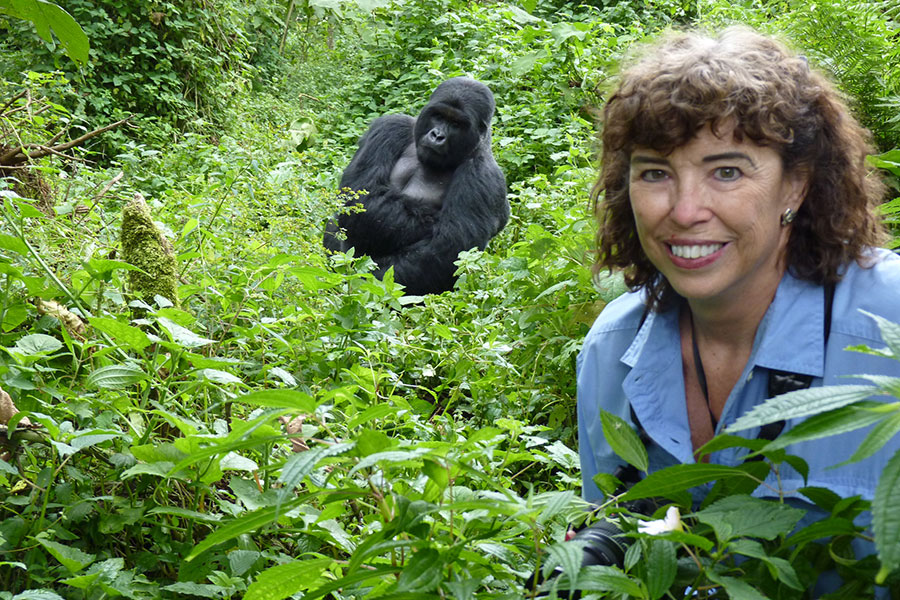
Before any gorilla family can be visited by tourists, it must go through a years-long habituation process — a painstaking effort in which researchers and rangers make daily contact with a wild gorilla group, gradually building enough trust that the gorillas tolerate human presence without stress or aggression. This process typically takes two to three years and requires significant investment of time, expertise, and funding.
That funding comes largely from permit revenue. Without the economic engine of gorilla trekking, habituation programmes would slow or stop entirely, limiting the number of families available for conservation monitoring and reducing the research capacity that underpins gorilla protection efforts across the region.
Conservation Beyond the Forest
The benefits of gorilla trekking extend well beyond the park boundaries. Across Bwindi’s border communities, tourism has funded schools, health clinics, clean water projects, and women’s cooperatives. Organisations like the International Gorilla Conservation Programme (IGCP) and the Gorilla Doctors — a veterinary team that provides direct medical care to wild gorillas — are sustained in part by the global interest and funding that gorilla tourism generates.
At Cycads Safaris, we partner directly with community tourism initiatives in the Bwindi region, ensuring that every safari we operate channels money into local hands. Our guides are recruited from communities bordering the park. Our recommended lodges prioritise local employment and sourcing. The gorilla trek you book with us does not end at the forest boundary — its impact ripples outward into the lives of thousands of people who live alongside these animals.
Responsible Trekking: Getting the Balance Right
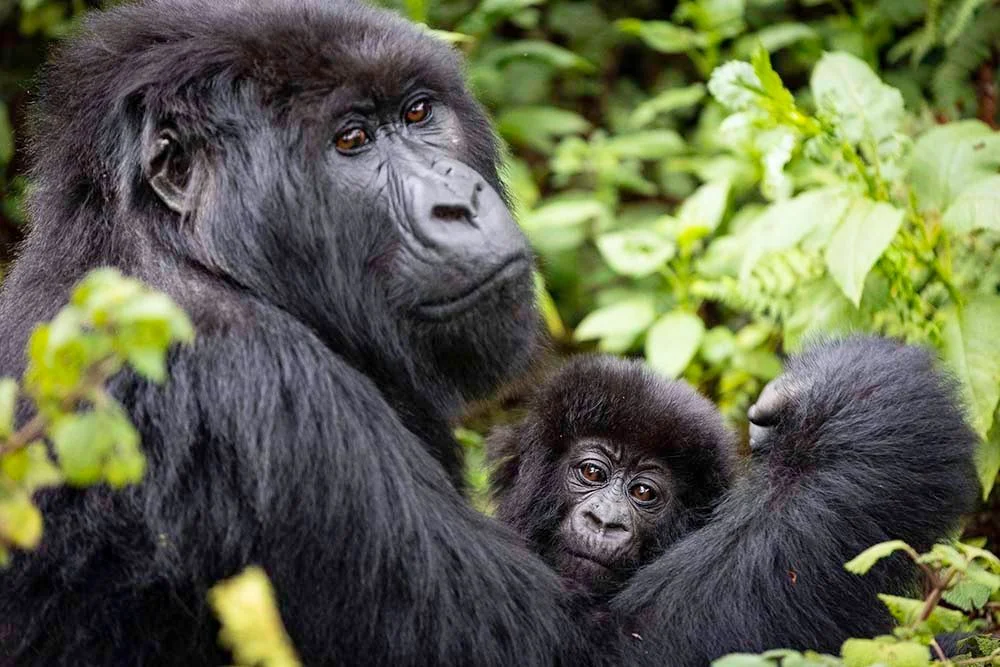
Tourism is not without risks to gorilla welfare, and the industry takes those risks seriously. Strict protocols govern every trek: a maximum of eight visitors per gorilla family per day, a mandatory seven-metre distance, a one-hour time limit, no flash photography, and a ban on trekking while ill to prevent disease transmission. Mountain gorillas share approximately 98% of their DNA with humans, making them highly susceptible to human respiratory infections — a cold that inconveniences you could prove fatal to a gorilla.
These rules exist because the goal is not simply to make gorilla trekking enjoyable for tourists. The goal is to make it sustainable for gorillas. When the protocols are followed and the economics are managed well, gorilla trekking becomes a form of conservation in its own right.
A Model for the World
The mountain gorilla’s recovery is now studied by conservationists around the globe as a model for what community-based conservation tourism can achieve. It demonstrates that protecting wildlife and improving human livelihoods are not opposing goals — they can be the same goal, pursued through the same mechanism.
Every trekker who laces up their boots and walks into Bwindi or the Virungas becomes part of that story. You are not just a tourist. You are a stakeholder in the survival of a species.
Book your gorilla trek with Cycads Safaris, and help write the next chapter. You can contact us now by emailing to info@cycadssafaris.com or calling/ chatting on Germany: +498943748290, Cananda: +1 (647) 5044979, USA: +18182906623, UK: +44 7946 728171
