
Everything You Need for Gorilla Trekking in Uganda: The Ultimate Preparation Guide. Gorilla trekking in Uganda is widely regarded as one of the most profound wildlife encounters on the planet. Coming face to face with a mountain gorilla in its natural forest habitat — watching a silver-back rest, a mother nurse her infant, or a juvenile play in the undergrowth — is an experience that stays with you for a lifetime. Uganda is home to roughly half of the world’s remaining mountain gorillas, and its Bwindi Impenetrable National Park and Mgahinga Gorilla National Park are the only places on earth where you can track these magnificent creatures through the wild.
Whether you are planning full Uganda safaris or a focused gorilla trekking adventure, preparation is everything. The forests are dense, the terrain is steep, and the conditions can be unpredictable. Going in well-equipped not only ensures your comfort and safety — it also protects the gorillas and the delicate ecosystem they inhabit. Here is everything you need to know before you head into the forest.
1. The Gorilla Trekking Permit
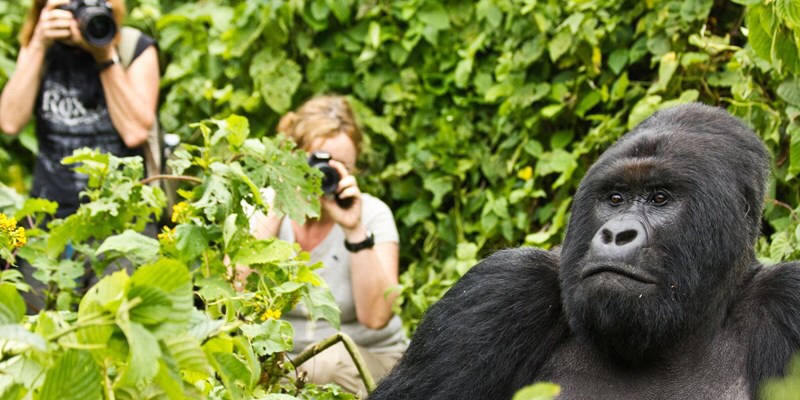
Before anything else, you need a permit. In Uganda, gorilla trekking permits are issued by the Uganda Wildlife Authority and currently cost USD 800 per person per trek. Each permit grants you one hour in the presence of a habituated gorilla family, led by experienced ranger guides. Permits are limited — only eight visitors are allowed per gorilla group per day — which means they sell out months in advance, especially during peak seasons from June to September and December to February.
Booking your permit through a reputable tour operator, such as those offering best East African safaris, ensures you secure your spot and that all logistics are handled professionally. Do not leave permit booking to the last minute.
2. Physical Fitness and Health Preparation
Gorilla trekking is a physical activity. Treks can range from one hour to eight hours depending on the gorillas’ location on any given day, and the terrain in Bwindi — whose name literally means “impenetrable” — is relentlessly hilly, muddy, and dense. You do not need to be an athlete, but a reasonable level of fitness will make the experience far more enjoyable.
In the weeks before your trek, build your stamina with daily walks, particularly on hilly terrain. Stretching routines help protect your knees and lower back. For travelers with mobility challenges, porters are available at the park and can be hired for a modest fee — they help carry your pack and provide physical support on difficult sections of the trail.
Health requirements include being free from infectious illnesses on the day of trekking. If you have a cold, flu, or respiratory infection, you will not be permitted to trek, as mountain gorillas are highly susceptible to human diseases. Carry any prescription medications you need and consult your doctor about recommended vaccinations and malaria prophylaxis for Uganda.
3. Clothing and What to Wear
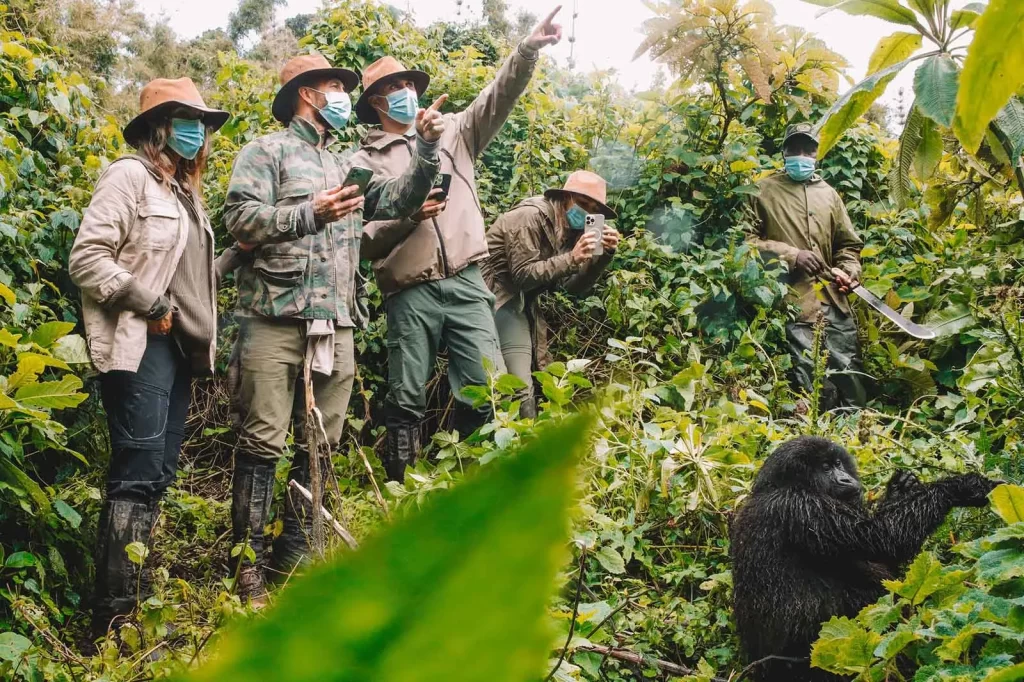
Dressing appropriately is critical for both comfort and safety in the forest. Here is what experienced trekkers and guides recommend:
Long-sleeved shirts and long trousers are essential — not just for warmth but to protect your skin from the stinging nettles, thorny undergrowth, and biting insects that are common in the montane forest. Lightweight, moisture-wicking fabrics work best. Avoid bright colors; neutral and earthy tones are preferable.
Sturdy waterproof hiking boots with ankle support are non-negotiable. The forest floor is often muddy and uneven, and good grip is vital. Ensure your boots are broken in before your trek — new boots on challenging terrain invite blisters.
Waterproof rain jacket or poncho — the weather in Bwindi and Mgahinga can change rapidly. A lightweight, packable rain layer protects both you and your camera equipment.
Gardening or thick gloves are highly recommended. When pushing through dense vegetation or gripping roots and branches on steep climbs, gloves protect your hands from thorns and nettles.
Gaiters that cover your boots and lower trousers keep mud, insects, and ants out — a small detail that makes a surprisingly large difference.
Hat or buff for warmth and sun protection at higher altitudes.
4. Gear and Equipment to Carry
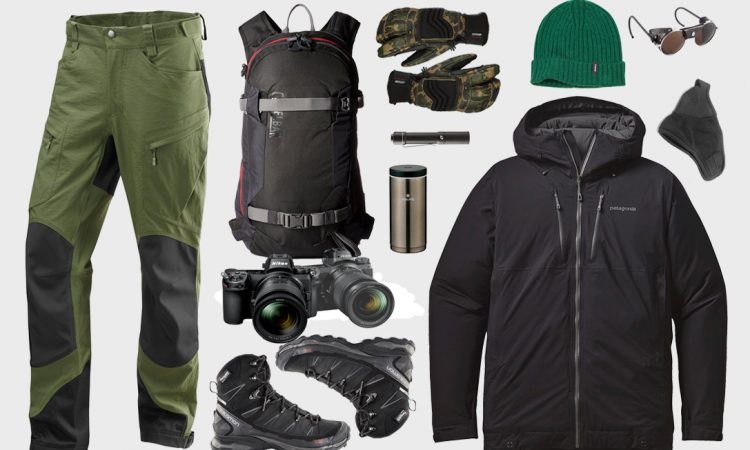
Beyond clothing, your day pack should include the following essentials:
Plenty of water — at least 1.5 to 2 liters. Trekking is physically demanding, and staying hydrated is critical. A water bottle or hydration bladder works well.
Energy snacks — trail mix, energy bars, bananas, and similar foods keep your energy up during long treks. Pack a light lunch if your operator does not provide one.
Insect repellent containing DEET is important for keeping mosquitoes and other insects at bay in the forest.
Sunscreen — even in forested areas, sun exposure at altitude can be significant during clear weather.
A good camera with a fast lens is ideal for capturing gorillas in the filtered forest light. Flash photography is strictly prohibited — it disturbs the gorillas and is forbidden by park regulations. A 200mm to 400mm zoom lens performs well in low-light forest conditions.
Trekking poles are highly recommended and can be rented at the park if you do not own a pair. They provide significant support on steep descents and muddy trails.
A small first aid kit with blister plasters, antiseptic wipes, and any personal medications gives peace of mind in remote forest terrain.
5. Behavior in the Presence of Gorillas
Preparation is not only physical — understanding the rules of conduct in the gorillas’ presence is equally important. Maintain a minimum distance of seven meters from the gorillas at all times. Do not make direct prolonged eye contact with a silver back, as this can be perceived as a challenge. Speak softly, move slowly, and follow your guide’s instructions without hesitation. If a gorilla charges, do not run — crouch down, avert your gaze, and remain calm. Rangers are trained to manage these situations.
6. How to Get to the Gorilla Parks
Bwindi Impenetrable National Park in southwestern Uganda is roughly a 7 to 9 hour drive from Kampala — long but scenic. For travelers with limited time, Uganda flying safaris are an outstanding option. Charter flights connect Kampala’s Entebbe Airport or Kajjansi Airstrip to airstrips near Bwindi such as Kihihi or Kisoro in under two hours, transforming an exhausting road journey into a comfortable scenic flight over Uganda’s dramatic landscapes. Flying safaris are increasingly popular among travelers seeking to combine multiple destinations — perhaps Bwindi for gorillas, Queen Elizabeth National Park for game drives, and Kibale for chimpanzees — all within a compact, time-efficient itinerary. If best East African safaris are your goal, a flying safari circuit through Uganda’s top parks is an exceptional choice.
7. What to Expect on the Day
Trekking briefings begin early, typically at 7:30 AM at the park headquarters. Arrive rested, fed, and fully equipped. Your ranger guides will brief you on gorilla behavior, safety protocols, and the rules of the trek before setting off. Once you locate the gorilla family, the magic begins — and every second of that one-hour encounter is worth every step of the journey.
Plan Your Gorilla Trek with Cycads African Safaris
At Cycads African Safaris, we have been crafting exceptional Uganda safaris for travelers who demand the best. From securing your gorilla permits and arranging comfortable lodge accommodation in Bwindi, to designing seamless Uganda flying safaris that combine gorilla trekking with the country’s finest game parks, our team handles every detail with expertise and passion.
We believe that a gorilla trekking experience should be as stress-free as it is extraordinary. With Cycads African Safaris, you are in the hands of specialists who know Uganda intimately — and who are committed to delivering journeys that rank among the best East African safaris available today. Contact us now on info@cycadssafaris.com or +18182906623
