
Kora National Park: Kenya’s Wild and Untamed Frontier. Deep in the semi-arid heartland of Kenya, far from the well-worn tourist trails of the Masai Mara and Amboseli, lies a park of raw, elemental beauty that has captured the imagination of conservationists, adventurers, and wildlife lovers for generations. Kora National Park, sprawling across approximately 1,787 square kilometres along the northern bank of the Tana River in Tana River County, is one of Kenya’s most remote and least-visited protected areas — and therein lies its extraordinary appeal. For travellers seeking kenya safaris that venture into genuinely wild, uncrowded, and deeply authentic territory, Kora stands apart as a destination unlike any other on the continent.
The Legend of George Adamson and Born Free
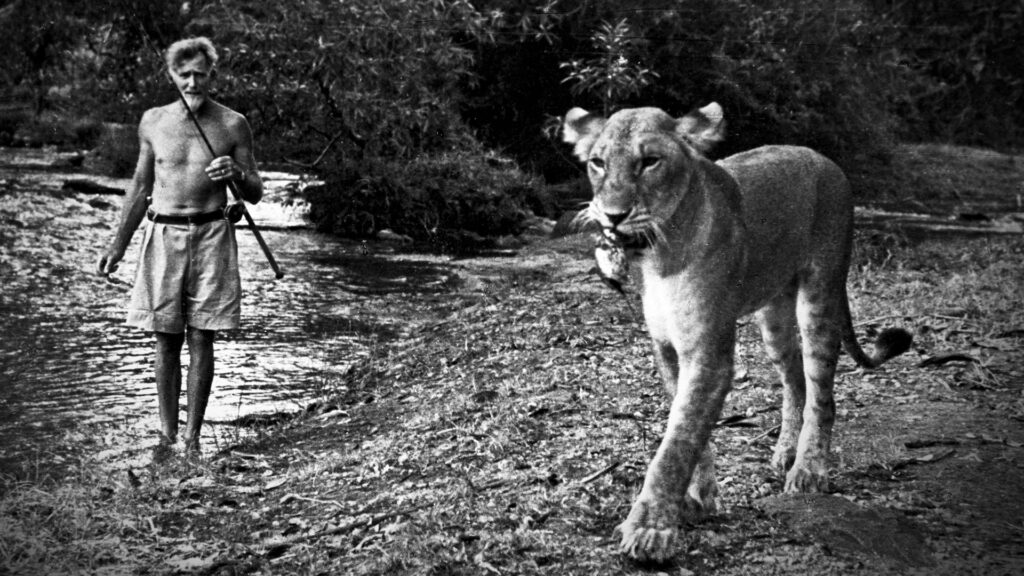
No account of Kora National Park would be complete without acknowledging the man who dedicated — and ultimately gave — his life to this wilderness. George Adamson, the legendary wildlife conservationist immortalised alongside his wife Joy in the celebrated Born Free story, made Kora his home and life’s work from 1970 until his tragic death at the hands of poachers in 1989. At his Kampi ya Simba camp within the park, Adamson pioneered the rehabilitation and reintroduction of captive-born and orphaned lions back into the wild, a groundbreaking conservation methodology that changed how the world thought about human-wildlife relationships.
The legacy of George Adamson permeates every corner of Kora. His camp has been partially restored and remains a place of pilgrimage for those who revere his extraordinary contribution to African wildlife conservation. Visiting Kora is, in many ways, an act of paying tribute to one of the greatest conservation stories Africa has ever produced. For travellers who want their kenya safaris to carry historical and emotional depth alongside thrilling wildlife encounters, Kora delivers a profoundly moving experience that few parks anywhere in East Africa can match.
Landscape and Ecology
Kora’s landscape is dramatically different from the lush savannahs and highland forests that characterise many of Kenya’s more celebrated parks. Here, the terrain is defined by vast expanses of semi-arid bushland, dominated by acacia and commiphora scrub, punctuated by dramatic inselbergs — ancient, weather-sculpted granite outcrops that rise abruptly from the flat plains like the ruins of some primordial civilization. The most famous of these, Kora Rock, looms over the surrounding bush and offers panoramic views across the park’s immense, silent landscape.
The Tana River, Kenya’s longest river, forms the park’s southern boundary and serves as its ecological lifeline. The riverine forest and grasslands that fringe its banks provide critical habitat for a diverse array of wildlife, drawing animals from across the surrounding semi-arid landscape to drink, bathe, and feed along its fertile shores. This contrast between the harsh, sunbaked interior and the lush green ribbon of the Tana River corridor gives Kora a visual drama and ecological complexity that makes it one of the most rewarding settings for wildlife observation among all kenya safaris.
Wildlife: Raw, Wild, and Abundant
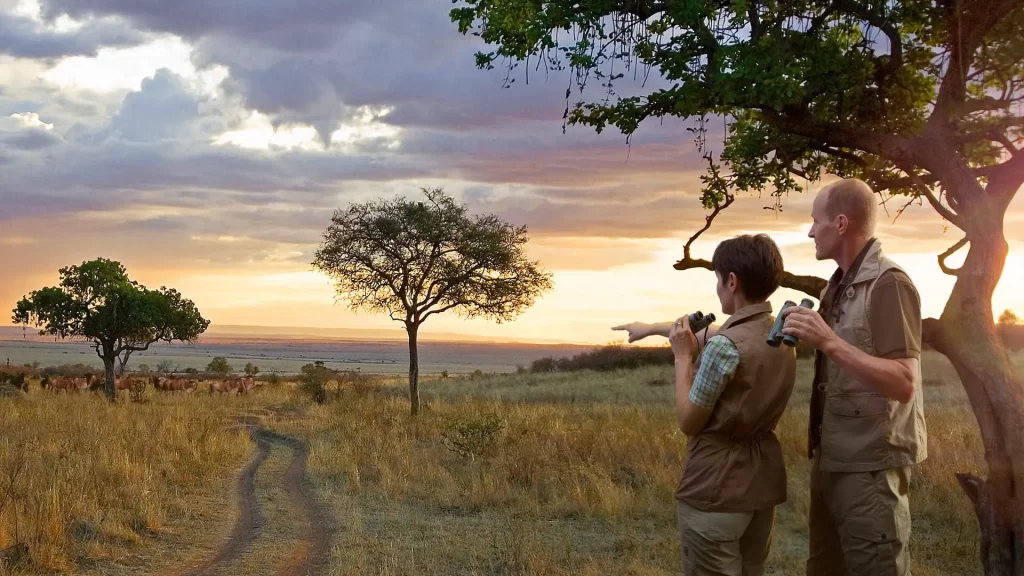
Kora’s relative isolation from Kenya’s mainstream tourism circuit has ensured that its wildlife retains a genuinely wild character rarely encountered in more heavily visited parks. The park supports healthy populations of African elephants, buffalos, hippos, and Nile crocodiles along the Tana River. Predators including lions, leopards, cheetahs, and wild dogs roam the acacia scrubland, while the park’s diverse habitats also shelter reticulated giraffes, Grevy’s zebras, oryx, lesser kudu, and gerenuk — the graceful long-necked antelope uniquely adapted to this arid environment.
The birdlife at Kora is equally impressive, with over 240 recorded species including the palm-nut vulture, Pel’s fishing owl, African finfoot, and a spectacular array of raptors. The riverine forests along the Tana are particularly productive for birders, harbouring species rarely seen elsewhere in Kenya. For those assembling an itinerary of the best safari in east africa, the combination of Kora’s rare and arid-adapted species with its extraordinary remoteness and historical significance makes it a compelling addition to any serious Kenya wildlife journey.
Remote, Unspoiled, and Authentically Wild
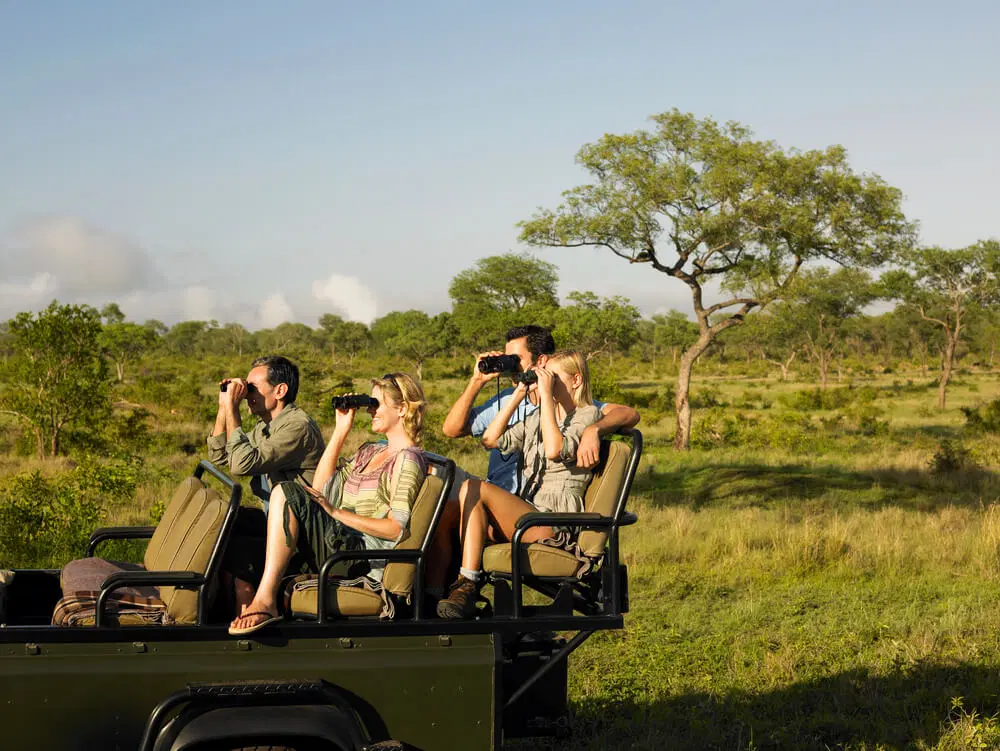
Part of what makes Kora so special is precisely what makes it challenging to visit — its remoteness. There are no luxury tented camps, no crowded game drive vehicles, and no tourist infrastructure of the kind found at Kenya’s most popular parks. Access to Kora is primarily by road from Nairobi via Meru, a drive of approximately four to five hours, or by light aircraft charter to a bush airstrip within or near the park. This sense of genuine frontier wilderness — of entering a landscape largely untouched by the modern tourism industry — is exactly what many experienced safari travellers are seeking when they have already checked the Serengeti, Masai Mara, and Amboseli off their lists.
For those planning a kenya short safari of two to three days, Kora pairs magnificently with the adjacent Meru National Park, which offers more developed infrastructure, a wider range of accommodation options, and equally spectacular wildlife — including a well-established white rhino population. Together, Kora and Meru form one of Kenya’s most rewarding and least-crowded safari circuits, offering a richly diverse experience across contrasting but complementary ecosystems.
Conservation Challenges and Ongoing Recovery
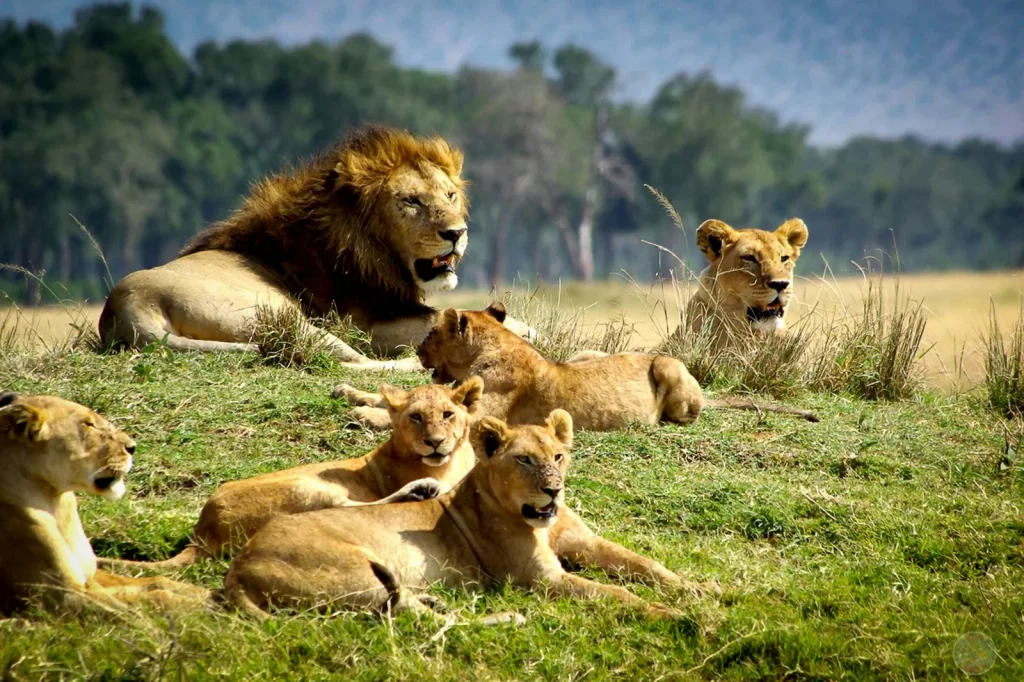
Kora suffered devastating poaching pressure during the 1980s and early 1990s, and the assassination of George Adamson himself in 1989 symbolised the darkest chapter of this period. However, concerted conservation efforts by the Kenya Wildlife Service, supported by international NGOs and the George Adamson Wildlife Preservation Trust, have enabled the park to recover significantly over the past three decades. Elephant populations have rebounded, lion prides have re-established themselves across the park’s core areas, and anti-poaching patrols have dramatically reduced illegal hunting.
Kora was designated a UNESCO World Heritage Site as part of the Mount Kenya ecosystem complex, a recognition that underlines its global conservation significance. Tourism, though still limited, plays an increasingly important role in funding park management and community conservation initiatives in the surrounding areas, ensuring that the communities who share their landscape with Kora’s wildlife become active stakeholders in its future. Every visitor who chooses to include Kora in their kenya safaris contributes directly to the park’s long-term protection and the continuation of George Adamson’s extraordinary legacy.
A Destination for the True Safari Connoisseur
Kora National Park is not a destination for the faint-hearted or the comfort-dependent. It demands a spirit of adventure, a tolerance for heat and dust, and a willingness to embrace the unpredictability that defines genuinely wild Africa. But for those who meet Kora on its own terms, the rewards are immense. Watching a lion pride move through golden acacia scrub at dusk, hearing the cough of a leopard across the Tana River in the pre-dawn darkness, or sitting quietly atop Kora Rock as the sun sets over one of Kenya’s last true wildernesses — these are the experiences that define the very best safari in east africa and remain etched in memory long after the journey home.
Whether approached as a standalone destination, a kenya short safari extension from Meru, or an integral stop on an extended northern Kenya wildlife circuit, Kora rewards every traveller who makes the effort to seek it out with an encounter with wild Africa at its most honest, unscripted, and magnificent.
Conclusion: Experience Kora with Cycads African Safaris
Kora National Park represents the soul of wild Kenya — a place where conservation history, breathtaking landscapes, and rare wildlife converge in a setting of profound and humbling remoteness. From the ghost of George Adamson’s extraordinary life to the elephants that move silently through the acacia bush and the crocodiles that bask along the Tana River’s banks, every element of Kora speaks to the raw, uncompromising beauty of East Africa’s natural world.
Planning a journey to a park as remote and logistically complex as Kora requires expert local knowledge, meticulous attention to detail, and the kind of genuine passion for Africa’s wild places that only the finest safari specialists can offer. Cycads African Safaris brings all of this and more to every itinerary they craft. Whether you are dreaming of an extended expedition through Kenya’s northern wilderness, a carefully planned kenya short safari combining Kora with Meru, or a comprehensive journey through the best safari in east africa destinations across Kenya and beyond, Cycads African Safaris has the expertise, the connections, and the commitment to make your vision a reality. Reach out to their team today and take the first step toward one of the most extraordinary wildlife journeys of your life. Contact us on info@cycadssafaris.com OR +18182906623
