
Chimpanzee Breeding in Uganda: A Wildlife Journey Through Conservation and Wonder. Uganda is one of Africa’s most captivating safari destinations, not only because of its dramatic landscapes and abundant wildlife, but also because of the focused conservation work happening within its forests. Among the most exciting experiences for travelers is chimpanzee trekking—an unforgettable way to encounter wild chimpanzees in their natural habitat. Yet behind every trek is a bigger story: the ongoing efforts to protect chimpanzees, manage habitats, and support species survival, which are sometimes described by visitors as chimpanzee breeding or breeding success. While chimpanzees are wild and do not “breed in a zoo” the way domesticated animals might, conservation programs in Uganda contribute to healthier environments where breeding can occur more safely and consistently over time.
In this blog, we’ll explore what “chimpanzee breeding in Uganda” really means in a safari context, why it matters, and how Uganda’s conservation landscape connects directly to Uganda safaris, Uganda safari holidays, and the wider appeal of African safaris in Uganda.
Why Uganda Is Special for Chimpanzee Conservation
Chimpanzees are found in forested regions across Central and parts of East Africa, and Uganda plays a crucial role because its protected areas provide essential habitat. Many travelers come to Uganda specifically for the chance to see chimpanzees up close during chimpanzee trekking. These treks typically take place in monitored forest environments where researchers, rangers, and local communities work together to reduce threats and protect wildlife.
The conservation goal is not only to prevent harm but also to maintain the ecological conditions that allow chimpanzees to live, reproduce, and raise young. In other words, when we talk about chimpanzee breeding in Uganda, we’re really discussing:
- Habitat protection (so chimpanzees can feed and establish groups)
- Reduced poaching and illegal activities
- Monitoring and research
- Community-based stewardship that helps reduce conflicts and strengthens long-term protection
For travelers, that means the forests feel alive—because they are. And the longer you stand in the canopy and listen, the more you understand that conservation is happening all around you.
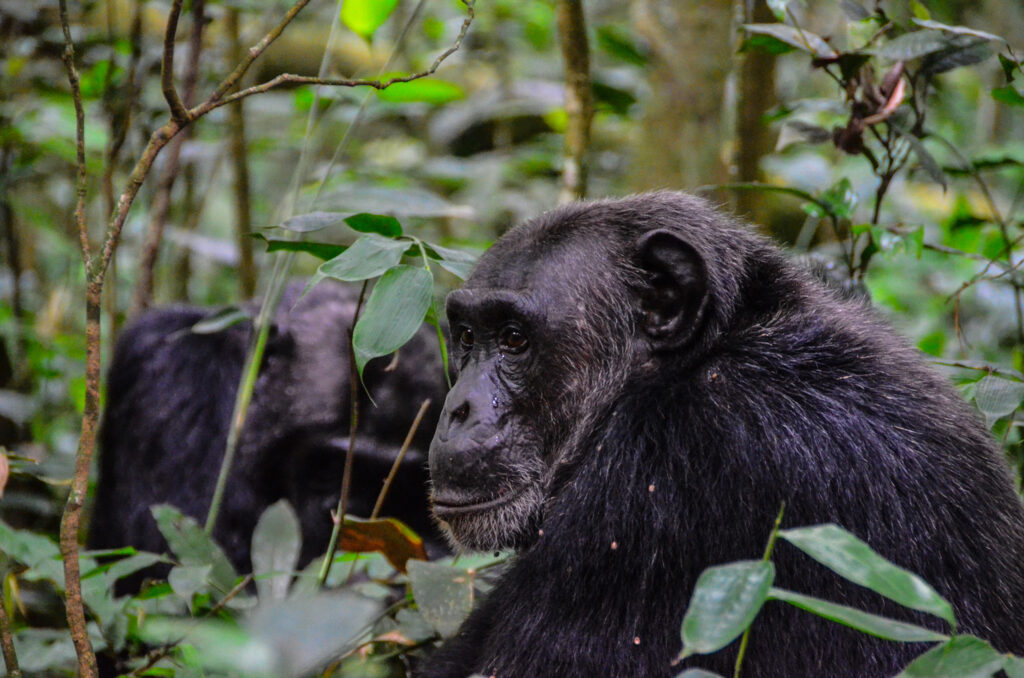
Chimpanzee Trekking: Where Conservation Meets Adventure
If you’re planning an upcoming trip, you’ll likely begin by choosing between different Uganda safaris and Uganda safari holidays tailored to wildlife interests. The flagship experience is usually chimpanzee trekking. However, trekking is more than a guided walk into the forest—it’s part of a regulated system designed to reduce stress on chimpanzee communities and protect their natural behavior.
During chimpanzee trekking, you follow trained guides and park/ranger teams who help you locate chimpanzees in a way that respects the animals’ space. Encounters can include:
- Seeing adult chimpanzees moving through the trees
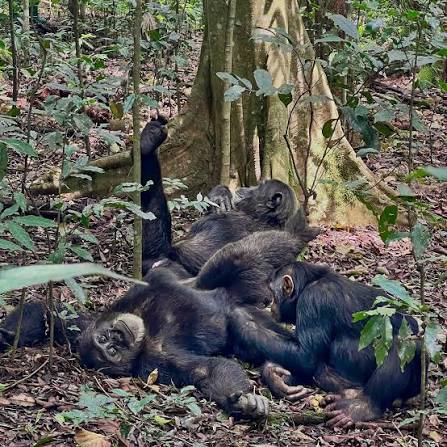
- Observing social interactions within groups
- Listening to vocal calls that reveal communication and activity
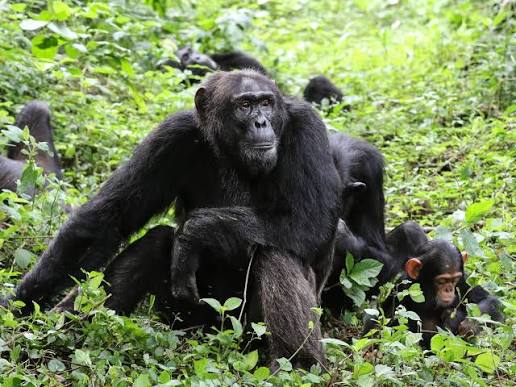
- Sometimes witnessing young individuals as part of the group’s structure
This is where the idea of “breeding” becomes tangible. Even though you may not know a chimp’s exact reproductive status on a given day, the presence of groups with young individuals is a key sign of ecological stability. Healthy chimpanzee communities depend on safe forests and consistent food sources—conditions Uganda works to maintain.
Uganda Safaris and the Role of Protected Forests
Uganda’s safari identity is diverse. From Savannah landscapes to dense rain forest, the country offers distinct ecosystems that support different wildlife. For chimpanzee trekking, the focus is typically on forest reserves and national parks where chimpanzees live in monitored environments.
When you choose Uganda safaris that include chimpanzee trekking, you’re also choosing a form of responsible tourism. Trek operations are usually designed around guidelines that limit human impact and protect both chimpanzees and forest habitats. That matters, because chimpanzees rely on forests not just for shelter, but for feeding and social life—factors that influence overall well-being.
If a forest is degraded or threatened, chimpanzees can face stress that affects their ability to raise offspring. Conversely, when conservation strengthens habitat and reduces disturbances, chimpanzee groups can remain stable for longer, supporting healthier life cycles.
Uganda Safari Holidays: Planning for an Ethical Wildlife Experience
Many travelers want more than one highlight. That’s why Uganda safari holidays are often planned as combinations of experiences: chimpanzee trekking in the morning, scenic drives, community visits, and other wildlife sightings depending on the itinerary.
Here’s why this combination works so well:
- You get depth, not just a checklist.
Trekking is emotional and immersive, and pairing it with other safari experiences helps you understand Uganda’s ecosystems as connected systems. - Responsible tourism becomes more meaningful.
When your holiday supports conservation-focused activities, your visit contributes to long-term protection efforts rather than short-term exploitation. - You experience Uganda in different moods.
Forest trekking differs dramatically from open safari landscapes—yet both showcase the country’s biodiversity.
If you’re searching for African safaris in Uganda, consider building your trip around a blend of chimpanzee trekking and other park experiences. Many visitors find that this makes their journey feel richer and more balanced.
The Bigger Picture: What Breeding Means in the Wild
In captivity, breeding is often measured directly, guided by husbandry practices. But in the wild, chimpanzees breed naturally when conditions allow. So when travelers ask about chimpanzee breeding in Uganda, the most accurate answer is that conservation helps create an environment where chimpanzees can successfully reproduce.
Key factors that influence breeding success include:
- Food availability: Healthy forests provide fruit and plant resources.
- Group stability: Chimpanzee social structure supports raising young.
- Threat reduction: Lower risk from poaching and illegal hunting supports safety.
- Human-wildlife management: Clear regulations and guided trekking help reduce disturbance.
When these conditions improve, breeding outcomes may become more consistent—though they cannot be guaranteed in a specific trek experience. Still, the overall health of chimpanzee communities is a strong indicator that conservation is moving in the right direction.
How to Choose the Right Chimpanzee Trekking Experience
If you’re planning chimpanzee trekking as part of your Uganda safaris, consider choosing an operator and itinerary that emphasizes:
- Experienced guides who follow trekking protocols
- Conservation-minded practices that respect animal behavior
- Transparent park and trekking guidelines
- Itineraries that include educational components, so you understand what you’re seeing
A well-organized trek doesn’t just increase your chances of a meaningful encounter—it also ensures your visit supports the long-term protection of chimpanzees and their forest home.
Conclusion: Choosing Conservation-Driven African Safaris in Uganda
Uganda’s chimpanzee story is not only about thrilling forest encounters—it’s about the future of a species. Through habitat protection, monitoring, and responsible tourism, Uganda helps safeguard the conditions chimpanzees need to thrive and reproduce in the wild. That’s why chimpanzee trekking is such a powerful safari experience: it connects travelers directly to conservation in action.
As you plan your next adventure, consider the wider journey of Uganda safaris and Uganda safari holidays that include ethical, conservation-driven activities. And when you think about African safaris in Uganda, remember that the most meaningful trips are the ones that protect what you came to see.
In the spirit of responsible exploration, cycads African safaris stands out as a reminder that the best safari experiences are built on respect for wildlife and long-term stewardship—so that Uganda’s forests, and the chimpanzees within them, can continue to inspire future generations. Contact us on info@cycadssafaris.com OR USA: +18182906623
