
Uganda is a land where lush forests echo with the loud hoots of chimpanzees, open Savannah plains and huge tea plantations cover the landscape, and the 5,000-metre, glacier-topped Rwenzori Mountains pierce the sky. In a mostly dry continent, Uganda is a welcome spot of deep green. There is the opportunity to come face to face with a mountain gorilla in the Bwindi Impenetrable National Park, and its home to some of the most diverse and abundant birdLife in the world, including the rare shoebill stork. The national parks and reserves now provide an important sanctuary for ever-increasing populations of game including elephant, buffalo, lion and even leopard after the decimation during Idi Amin’s time. If you think Africa has no surprises left for you, Uganda will prove you wrong.
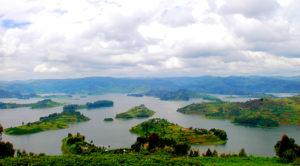
It is widely regarded as one of Africa’s safest destinations. Whether it’s wildlife safaris, trekking volcanoes, white-water rafting or just kicking back on the beach, Uganda has the best of Africa covered.
Gorilla tracking
Tracking mountain gorillas in Bwindi Impenetrable Forest is one of the essential experiences in Uganda and nothing quite prepares you for the first glimpse of black fuzz amidst the dense forest. Your blood will start rushing when you’re up close to the imposing figure of a silverback and it’s all very Dian Fossey-like when curious babies peek through leaves and twist, turn and somersault for entertainment. You won’t regret spending the amount for the Gorilla permit by keeping in mind that a portion of the fee goes to the park and gorilla conservation initiatives, helping to ensure their survival while you can enjoy the scenery up close and making sure that the coming generations get the same chance.
All the animals, but no crowds or lines to stand by
While it lacks the recognition of its big-name neighbours like Serengeti and Kruger Park, Uganda’s national parks boast all the animals, minus the crowds. Murchison Falls is Uganda’s largest park where you can follow up your morning wildlife drive with a cruise on the Nile to the base of the falls – the perfect way to spy elephants, buffalo, crocs and loads of hippos while you relax with a beer on the boat. Head to Queen Elizabeth for a better chance of spotting a leopard or otherwise its trademark, the tree-climbing lions. Only a few tourists make it as far north as Kidepo Valley, but those who do are rewarded with not only the best selection of animals, but some of the most amazing scenery in Uganda. Add the Ziwa Rhino Sanctuary to your itinerary to get up close to white rhino, which you can track on foot.
The source of the Nile is a magnet for white-water rafting enthusiasts where you can plunge down Grade-5 rapids or otherwise kayak or try the white-knuckle jet boat ride. Those who prefer a different kind of action can opt for bungee jumping at Bujagali Falls. Real trekkers can test their endurance by tackling the Rwenzori Mountains (listed as Unesco World Heritage), also described as the ‘mountains of the Moon’ with stunning views of the equatorial mist as your reward when you reach the top. For more treks try Mount Elgon National Park or the Virunga volcanos where the borders of Uganda, Congo and Rwanda converge.
For a relatively small country, there’s a lot that’s big about the place. It’s home to the tallest mountain range in Africa, the source that feeds the world’s longest river and the continent’s largest lake. And with half the remaining mountain gorillas residing here, as well as the Big Five to be ticked off, wildlife watching is huge.